Transforming Psoriasis Care: Oral IL-23 Therapy and the Next Frontier in Patient-Centered Treatment
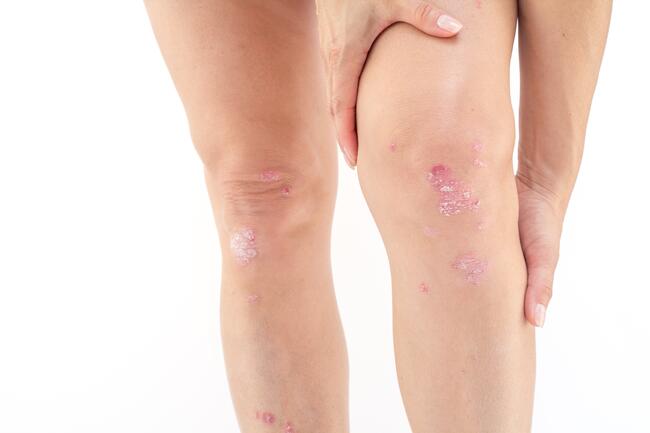
Psoriasis is a chronic, immune-mediated disease with a disproportionate impact on quality of life, even at relatively low body surface area (BSA) involvement. During a session at the 2026 Masterclasses in Dermatology Annual Meeting, Andrew Blauvelt, MD, MBA, emphasized that psoriasis should be approached as a “whole-person” disease, one that affects mental health and is associated with systemic comorbidities, including metabolic syndrome, diabetes, cardiovascular disease, inflammatory bowel disease, and psoriatic arthritis, which affects approximately 30% of people with psoriasis.
A recurring theme was undertreatment and misclassification. Historically, psoriasis severity labels (“mild/moderate/severe”) have relied heavily on BSA cutoffs and often fail to account for high-impact anatomic sites, quality-of-life burden, and prior treatment failure. Recent reclassification statements aim to correct this by shifting toward a practical question: Is the patient a candidate for topical therapy or systemic therapy? Under the International Psoriasis Council (IPC) framework, systemic therapy candidacy includes BSA >10%, special area involvement, or failure of topical therapy. High-impact sites include the scalp, face, palms/soles, genitalia, and nails.
Importantly, “failure of topical therapy” has been defined as inability to reach clear/nearly clear skin (BSA ≤1% and Physician Global Assessment 0/1) after 2 consecutive 4-week courses of topical therapy per guidelines. This definition reclassifies many patients with “limited BSA” but high-impact disease as appropriate candidates for systemic therapy and supports earlier escalation when symptoms or special area involvement drive meaningful impairment, rather than waiting for BSA to increase.
Treat-to-target concepts further reinforce proactive management. The National Psoriasis Foundation (NPF) target response after starting a new therapy is BSA ≤1% at 6 months, setting a clear benchmark for reassessment and treatment optimization. Beyond skin clearance, systemic therapy has been associated with improvements in quality of life and mental health outcomes, including anxiety/depression and suicidal ideation, underscoring that effective control can translate into broader patient benefit.
From a patient-centered perspective, Dr Blauvelt framed decision-making around what patients consistently value most: efficacy, safety, and convenience. Current biologic options, particularly IL-23 inhibitors, were highlighted as strong performers across these domains, with durable efficacy and favorable safety signals compared with broader immunosuppressive approaches.
A practical, high-yield update discussed evolving guidance around latent tuberculosis (TB) testing. A joint NPF/IPC position statement concluded that routine latent TB testing is not required prior to or during treatment with IL-17 or IL-23 inhibitors, based on mechanistic data (these pathways are not central to TB granuloma control), clinical trial/real-world evidence, and post-marketing surveillance review. Exceptions remain reasonable when clinicians want baseline status or when patients are on concomitant TB-immunity–affecting medications, such as corticosteroids and JAK inhibitors.
Looking ahead, emerging oral IL-23–pathway therapies may expand options for patients who prefer to avoid injectables while still prioritizing high levels of skin clearance. The presentation spotlighted icotrokinra, described as a targeted oral peptide that blocks IL-23 receptor binding, with phase 3 data supporting robust short-term efficacy and benefit in high-impact sites; it was also noted to be statistically superior to deucravacitinib on key endpoints (Investigator Global Assessment 0/1 and Psoriasis Area and Severity Index 90) in comparative studies. If ongoing safety/long-term data continue to be reassuring, oral IL-23 therapy could become a meaningful next step for patients seeking biologic-like outcomes with oral convenience.
The talk also reviewed pipeline oral agents such as newer TYK2 inhibitors, with early efficacy signals and potential applicability across psoriatic disease and related immune-mediated conditions, reinforcing that oral targeted immunomodulation is rapidly evolving.
Overall, the clinical takeaway mirrors the central message of the session: Avoid undertreatment, aim for clearance or near clearance, and tailor therapy to patient priorities, with IL-23 inhibition (injectable today, potentially oral tomorrow) positioned as a leading strategy that aligns efficacy, safety, and convenience in modern psoriasis care.
Reference
Blauvelt A. Transforming psoriasis care: oral IL-23 therapy and the next frontier in patient-centered treatment. Presented at: Masterclasses in Dermatology; February 19–22, 2026; Sarasota, FL.