Practical Tips for Conducting an AIMS Assessment via Telehealth
While many medical screenings have typically been conducted in person, telehealth services now allow clinicians to effectively assess their patients for a host of conditions, including tardive dyskinesia (TD), remotely.
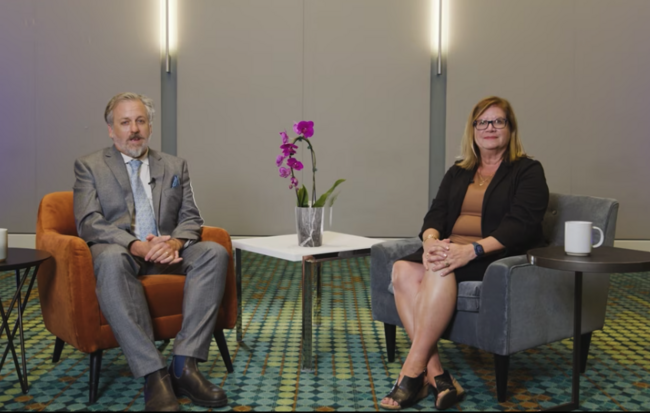
In this video filmed at the 2025 Psych Congress NP Institute, Steering Committee Member Brooke Kempf, PMHNP-BC, offers practical tips for clinicians looking to screen patients for TD via telemedicine. From effective communication strategies to logistical considerations, Kempf highlights several ways clinicians can best prepare themselves and their patients to successfully conduct an Abnormal Involuntary Movement Scale (AIMS) assessment virtually.
For more telehealth resources, visit the Telehealth Excellence Forum.
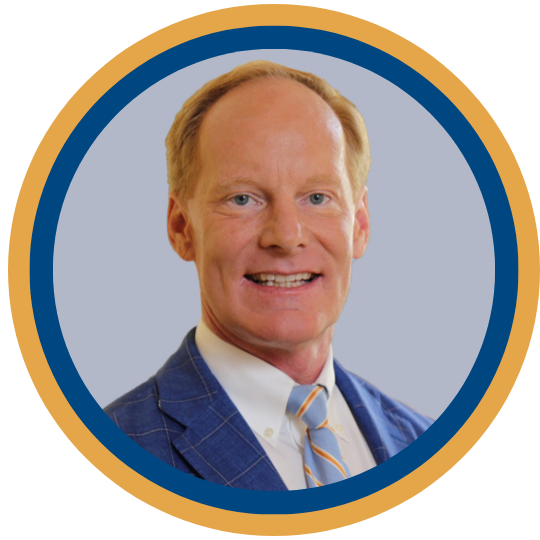
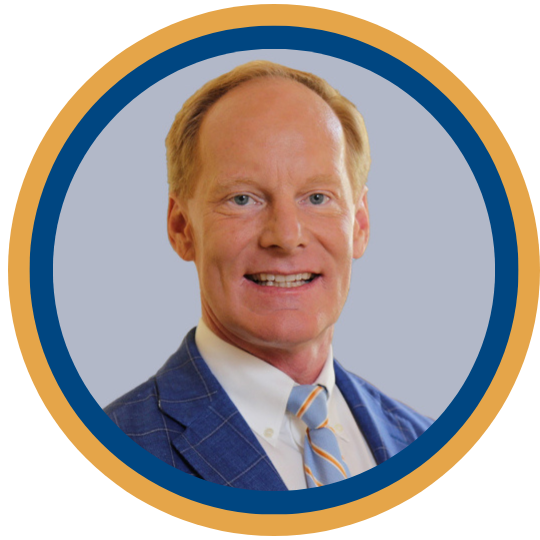
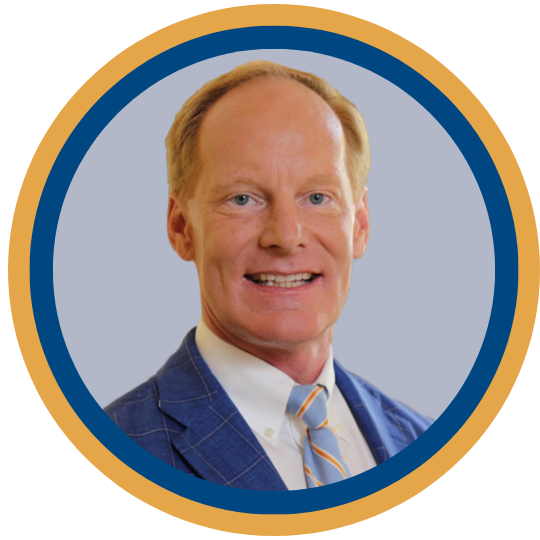
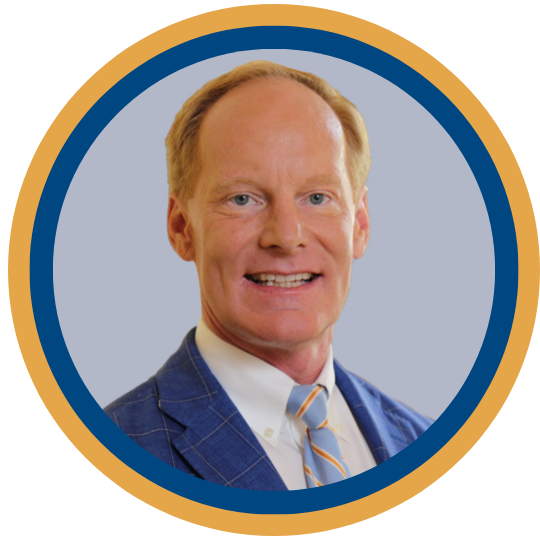
Brooke Kempf, PMHNP-BC: Hi there, my name is Brooke Kempf. I'm a psychiatric mental health nurse practitioner out of Terre Haute, Indiana. I'm an adjunct faculty at Indiana University of Indianapolis, and I'm a member of the Steering Committee for Psych Congress.
Psych Congress Network: Can you share your top telemedicine AIMS tips for clinicians screening their patients via digital tools?
Kempf: An AIMS assessment can be done via telehealth. Six of the 7 items when it comes to measuring movement on the AIMS exam can all be done just by looking at the face. Yes, we would like to see the full body. I like to prepare the patient ahead of time, so we let them know, “Hey, at the next visit, I'm going to need you in an area where maybe you could set up your phone and then step away from it so I can see your whole body. I'm also going to need to see you move across the room. I'd also like to see you without your shoes on so that I can assess you head to toe.”
It’s also helpful to ask if maybe they could have a friend or family member present that can help manipulate the camera.
At the end of the day, an AIMS assessment can still be done in the same manner, the same steps, just virtually watching them over a camera and just having them maneuver the camera in order to get it done.
I thank you so much for joining me today. Please check back in with us so that we can give you more practical, clinical guidance to help you better serve your patients.
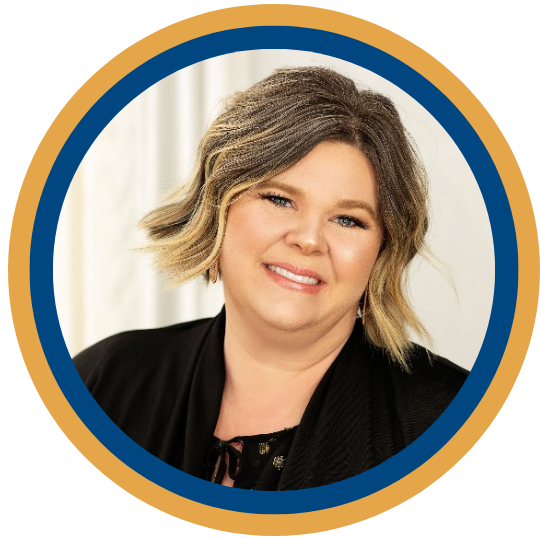
Brooke Kempf, MSN, PMHNP-BC, has worked as a psychiatric nurse at Hamilton Center in Terre Haute, Indiana, since she graduated from Indiana State University with an associate degree in 1994. Her passion for mental health was sparked as she worked as a charge nurse on the Inpatient Unit and continued to grow as she served in their outpatient setting while obtaining her bachelor’s degree from ISU in 1996. She was awarded the 2008 Hamilton Award for Outstanding Staff Member. Kempf was then able to obtain her master’s degree from the State University at Stony Brook of New York and is board-certified by the ANCC as a psychiatric mental health nurse practitioner. She currently practices as the Hospitalist for the Inpatient Psychiatric Unit of Hamilton Center Community Mental Health Center in Terre Haute, Indiana and is an adjunct lecturer for IUPUI’s PMHNP program, and was awarded the 2022 Daisy Award for Extraordinary Nursing Faculty.
© 2025 HMP Global. All Rights Reserved.
Any views and opinions expressed above are those of the author(s) and do not necessarily reflect the views, policy, or position of the Psych Congress Network or HMP Global, their employees, and affiliates.