Assessing Disparities in Access to Telemental Health Services
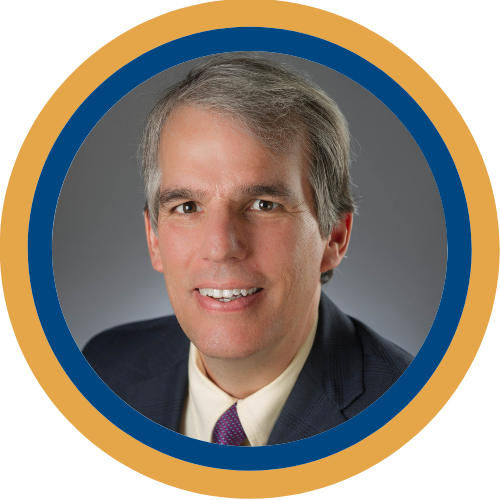
While telehealth has transformed mental health care delivery, new research suggests that its benefits may not be equally accessible to all patients. In this expert Q&A, Mark Olfson, MD, MPH, Elizabeth K. Dollard Professor of Psychiatry, Medicine, and Law, Columbia University, discusses his recently published study, “Telemental Health, Hybrid, and In-Person Outpatient Mental Health Care in the US,” which reviewed national patterns of outpatient telemental health service use.
Dr Olfson first highlights the sociodemographic and clinical factors that emerged as strong predictors of telehealth use, offering insight into potential inequities that exist in access to virtual mental health care. He then discusses how clinicians can interpret these findings to address disparities and tailor patient care in their own clinical practice.
For more expert insights, visit the Telehealth Excellence Forum.
Editors' note: This interview has been lightly edited for clarity.
Psych Congress Network: What led you and your co-authors to investigate the differences in who receives telehealth, hybrid, or in-person mental health care?
Mark Olfson, MD, MPH: We examined who receives telehealth, hybrid, and in-person mental health services to assess whether access to these modalities is equitable and, if not, to inform policies and reimbursement practices that promote greater equity and lessen disparities.
PCN: Which factors emerged as strong predictors of telehealth use, and what do they reveal about systemic barriers to telehealth? How might clinicians adapt their practices to avoid reinforcing inequities in access to mental health care?
Olfson: Patients who are younger, more educated, higher income, privately insured, and urban were far more likely than their counterparts to receive all-telehealth care, especially when receiving psychotherapy from mental health specialists. Clinicians could help reduce inequities in telemental health care by systematically assessing their patients’ access to technology, privacy, and digital skills, and by offering telehealth, hybrid, and in-person options. Providing technical support, using accessible platforms, and advocating for alternative access methods might further reduce barriers.
To the extent possible, clinicians might also monitor engagement and outcomes across modalities to identify disparities, try to avoid channeling marginalized groups into less-supported formats, and keep informed about evolving telehealth policies that affect their patients.
PCN: Your results suggest that patients with less severe psychological distress and those receiving psychotherapy were more likely to use all telehealth care. How can mental health care providers interpret these patterns when deciding which patients are best suited for different treatment modalities?
Olfson: Because this study reflects routine mental health care in the United States, it does not inform which patients are best suited for which treatment modality and whether patients with less severe distress are best served via telehealth care. In general, though, it is important for clinicians to assess each patient’s clinical needs and risk level, evaluating practical factors such as technology access and privacy, and incorporating patient preferences through shared decision-making to determine the best treatment modality for each patient.
PCN: Patients treated for substance use disorders (SUDs) and those treated with buprenorphine were more likely to receive all in-person care. Given emerging evidence supporting telehealth for SUD treatment, what factors do you believe are still limiting broader telehealth adoption in this population?
Olfson: My sense is that safety concerns play an important role here. Clinicians may perceive in-person care as safer for patients with high risk of relapse, polysubstance use, or co-occurring conditions that require close monitoring. In-person visits may be needed to assess withdrawal symptoms, medication adherence, or possible medication diversion.
There are also regulatory concerns—some substance use treatment programs still require periodic in-person assessments or drug screening practices that are difficult to replicate remotely.
PCN: What are the most pressing next steps for research that could help providers make evidence-informed decisions about when telehealth, hybrid, or in-person care is clinically optimal?
Olfson: More rigorously designed comparative effectiveness research is needed to help determine which patient groups can be treated remotely as or more effectively than in-person and which patients benefit from in-person or periodic in-person visits. This research might include measures of symptoms, function, treatment retention, relapse rates, safety and adverse events, as well as patient preferences.
PCN: What is the most significant takeaway from this study that you’d like to emphasize for our audience?
Olfson: While telemental health care offers convenience, privacy, and expanded reach, its benefits currently accrue disproportionately to those with socioeconomic and digital advantages, raising concerns that telehealth may widen existing disparities unless policy and system-level barriers are addressed to lessen emerging disparities in access.
Mark Olfson, MD, MPH, is the Elizabeth K Dollard Professor of Psychiatry, Medicine, and Law and Professor of Epidemiology at Columbia University and a Research Psychiatrist at New York State Psychiatric Institute. He seeks to identify gaps between clinical science and practice in behavioral health care including a focus on national patterns in mental health service delivery. He has brought attention to problems in the quality of assessment and management of children and adults with behavioral health disorders including an emphasis on neglected and underserved populations. He has characterized unmet need for mental health services, the flow of patients into mental health care, clinical detection of behavioral health disorders, and evolving national practice patterns in the assessment and management of behavioral health disorders. Dr Olfson has received numerous federal and private foundation grants and has authored over 700 academic papers.
© 2025 HMP Global. All Rights Reserved.
Any views and opinions expressed are those of the author(s) and/or participants and do not necessarily reflect the views, policy, or position of Psych Congress Network or HMP Global, their employees, and affiliates.