Technical Aspects of Lead Extraction Symposium: Interview With Program Director Robert Schaller, MD, on What’s Ahead in Lead Extraction
© 2026 HMP Global. All Rights Reserved.
Any views and opinions expressed are those of the author(s) and/or participants and do not necessarily reflect the views, policy, or position of EP Lab Digest or HMP Global, their employees, and affiliates.
EP LAB DIGEST. 2026;26(3).
Interview by Jodie Elrod
In this interview, Technical Aspects of Lead Extraction Symposium (TALES) Program Director Robert Schaller, MD, highlights key topics and emerging trends shaping this year’s agenda, and offers insight into evolving best practices and technological advancements in lead extraction.
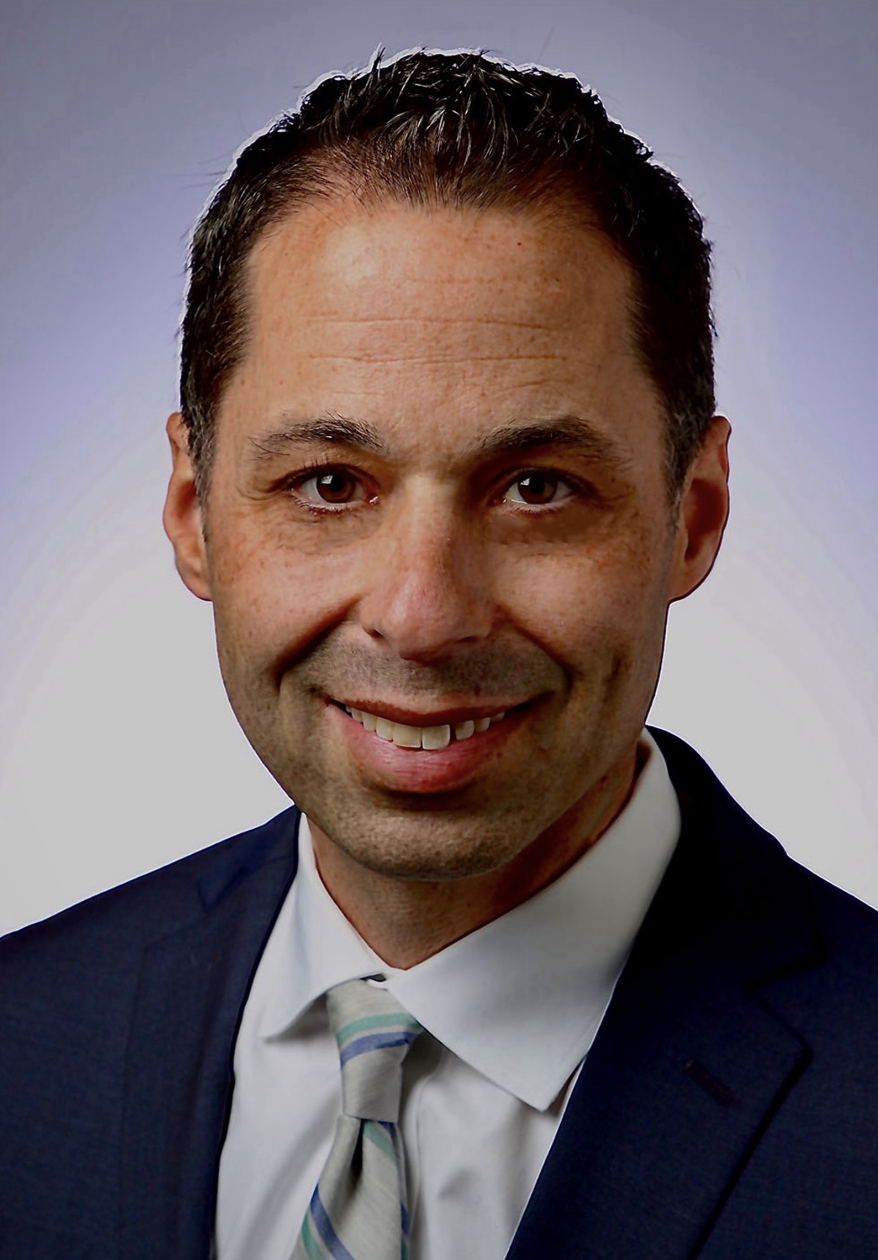 TALES has become a go-to meeting for clinicians focused on lead extraction and complex device management. In your view, what aspects of the symposium’s design, faculty engagement, or case-based format have been most important in maintaining its relevance and continued success within the EP community?
A key part of the success of TALES is our commitment to removing barriers and keeping the meeting accessible. There is no cost to attend, made possible through philanthropic support and, importantly, our indispensable industry partners. This allows anyone with an interest in lead extraction or complex device management to participate, regardless of career stage or geographic location.
We have also remained fully virtual, enabling clinicians from around the world to take part. We routinely welcome participants from more than 30 countries. In addition, all presentations are posted immediately on https://www.talesymposium.com in an enduring format, so there is no pressure to attend live sessions if schedules or time zones make that difficult.
From a content perspective, we intentionally bring together well-established leaders with newer voices, which helps keep the discussions fresh and encourages a range of perspectives. The case-based format and frequent live Q&A sessions are a big part of that. We also strive to balance core, evergreen topics with newer or more provocative areas that push the field forward.
TALES is very much a technical meeting, with an emphasis on practical techniques and strategies that clinicians can take back to their own practices. Speakers lean heavily on images and procedural videos and are encouraged to demonstrate how they approach cases rather than simply talk about them.
This year, for the first time, all talks will be delivered live, which we expect will add energy and spontaneity to the meeting. We also try not to take ourselves too seriously and use Twitter/X to keep things engaging and interactive, not only to promote the meeting, but also to live-tweet during TALES so participants can follow along and join the conversation using #TALES2026.
Looking ahead to this year’s TALES Symposium, what do you anticipate will be the hottest topics or most debated areas among faculty and attendees—especially in lead extraction techniques, novel technologies, or clinical decision-making strategies? Are there any emerging ideas you expect will significantly shape practice in the coming year?
We are excited about TALES2026, and the agenda is absolutely packed. We will, of course, cover the classics, including traditional and nontraditional extraction techniques as well as extraction of leadless devices. However, much of this year’s energy will focus on more provocative and forward-looking topics. These include extraction using vibration energy, which has the potential to be a true disruptor, along with approaches to extraction in challenging scenarios such as patients with venous stents or a patent foramen ovale.
There will also be a strong focus on the tricuspid valve. We anticipate robust discussion around when leads should be removed prior to transcatheter tricuspid valve replacement, how best to pace patients after transcatheter tricuspid valve replacement, and whether some of these procedures can, or should, be performed during the same setting. These are real-world questions clinicians are facing right now, and there is not always a clear playbook.
As always, we will dedicate the lunch hour to live, prerecorded case reviews, which consistently rank among the most popular parts of the meeting. This is often where the most practical tips, debate, and real-world learning take place, and we expect that to be no different this year.
Lead extraction continues to evolve quickly with advancements in imaging, tools, and procedural strategies. From your vantage point as Program Director, what best practices or recent technological developments do you believe have had the greatest impact on procedural success and safety—and how do you see these continuing to evolve?
Lead extraction really matured about 15 to 20 years ago, largely driven by a surge in cases involving advisory leads. That period forced the field to gain experience quickly, and the lessons learned were critical. Experience still matters enormously, and in contemporary high-volume centers it is now reasonable to expect procedural success rates approaching 99%, with major complication rates around 1%.
A major contributor to this progress has been the evolution of extraction tools and how we use them. Today, we have a broad array of laser and mechanical sheaths in multiple sizes, allowing for a true “right tool for the right job” approach. Just as importantly, we have become better at knowing when to use each tool and when to change strategies. At the same time, new technologies continue to push the field forward. Emerging tools such as shockwave lithotripsy, vibration energy-based extraction, and more specialized techniques like “tandem” techniques or intracardiac echocardiography-guided extraction all appear to be improving safety, even as average lead dwell times continue to increase in real-world practice.
We are also far better prepared to manage complications. Tools such as the Bridge occlusion balloon (Philips) provide an important safety net in the rare event of a vascular laceration and have been associated with lower mortality, which gives teams greater confidence to proceed thoughtfully. In parallel, our cardiothoracic surgery colleagues are increasingly familiar with lead extraction and more readily available to provide timely backup, particularly in cases of device infection, where delays can be dangerous. When combined with modern hybrid operating rooms or advanced EP labs, lead extraction has become firmly established as a core procedure in many EP programs. Overall, the trajectory is very encouraging, and the future of the field is bright.
TALES2026 takes place March 21, 2026, at 9 AM EST. Register at talesymposium.com.