Integrating Pulsed Field Ablation With Concomitant Left Atrial Appendage Closure Procedures at Sarasota Memorial Hospital
Interview With Dilip Mathew, MD, FACC, FHRS
Interview With Dilip Mathew, MD, FACC, FHRS
© 2025 HMP Global. All Rights Reserved.
Any views and opinions expressed are those of the author(s) and/or participants and do not necessarily reflect the views, policy, or position of EP Lab Digest or HMP Global, their employees, and affiliates.
EP LAB DIGEST. 2025;25(12):16-18.
Interview by Jodie Elrod
At Sarasota Memorial Hospital, Dr Dilip Mathew and his team are advancing atrial fibrillation (AF) care through the use of Medtronic’s pulsed field ablation (PFA) technology1 in concomitant procedures with left atrial appendage closure (LAAC) devices. In this interview, Dr Mathew shares insights into patient selection, workflow optimization, and the clinical and economic advantages of combining PFA and LAAC in the contemporary electrophysiology (EP) practice—offering practical guidance for physicians looking to incorporate concomitant procedures into their own practices.
Can you start by introducing yourself?
 I am a cardiac electrophysiologist who has been practicing in Sarasota, Florida, for the past 12 years. I completed my cardiology training at Brigham and Women’s Hospital in Boston and my cardiac EP fellowship at the Lahey Clinic in Burlington, Massachusetts. I then established the EP program at St Francis Hospital in Indianapolis, where I performed the institution’s first AF ablations. Having maintained a long-standing interest in AF, I continued to focus on this area after moving to Florida, and my practice today is primarily dedicated to AF ablation procedures.
Can you provide an overview of the cardiac EP program at Sarasota Memorial Hospital, including your ablation volume, the technologies you use (such as Medtronic’s Affera™ mapping and ablation system), and the number of concomitant procedures performed?
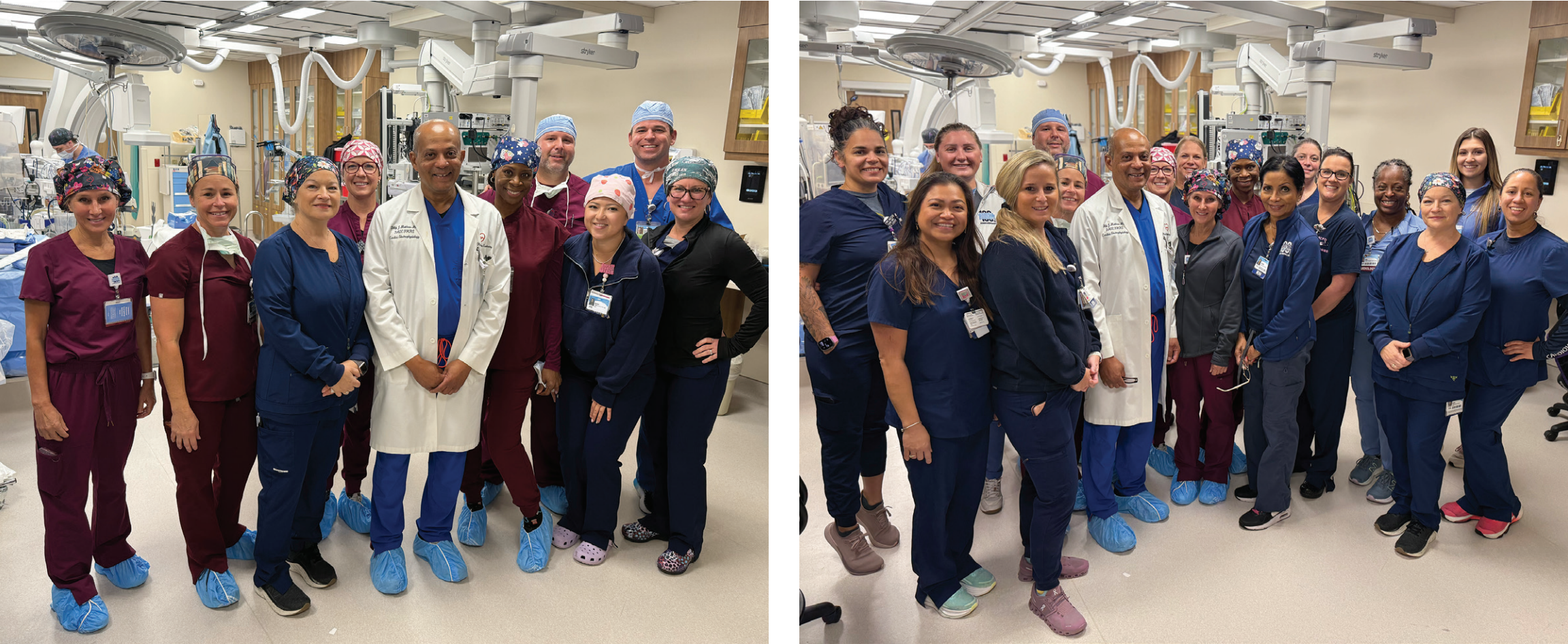
Sarasota Memorial Hospital has 4 EP labs, along with one hybrid lab dedicated to device implantation and lead extractions. Seven electrophysiologists currently practice at the hospital. Last year, we performed more than 2000 AF ablations, and our LAAC program remains highly active, averaging about 100 procedures per month.
With the Centers for Medicare & Medicaid Services’ (CMS) approval of concomitant procedures last year, this approach was a natural fit for our institution. We now routinely perform concomitant AF ablation and LAAC procedures. I have successfully completed more than 100 concomitant procedures this year. As a hospital, we have performed approximately 250 concomitant procedures so far, and the year is not over yet.
What aspects of your workflow distinguish your program from others?
We have access to a wide range of technologies and are not tied to a single vendor. Before the introduction of PFA technology, our ablation program utilized systems from Abbott and Johnson & Johnson MedTech, as well as the Rhythmia HDx™ Mapping System (Boston Scientific). With the arrival of PFA, we incorporated platforms from both Boston Scientific and Medtronic, including the PulseSelect™ PFA system and Affera mapping and ablation system2 (Medtronic). We have a long-standing relationship with Medtronic through more than a decade of experience with cryoablation. One of the key strengths of our program is this flexibility—we remain committed to adopting the most current technologies available, which has been a major factor in our continued success.
Please describe your patient selection process for AF ablation, a LAAC procedure, or a combination of both.
Over the past year, the introduction of PFA technology has brought significant changes, making procedures far more streamlined. Procedural times have decreased considerably, leading to reduced reliance on anesthesia. Earlier recovery and same-day discharge have become the norm, contributing to broader patient acceptance of AF ablation—even as a first-line therapy. In the past, only about 5% to 10% of patients selected ablation after trying other options, but today, approximately 40% to 50% choose it as their first-line treatment. Many patients now opt for ablation rather than starting with anticoagulation. This shift has been one of the most notable developments over the past year and has driven a substantial increase in ablation volume, both nationwide and within our hospital.
The introduction of LAAC procedures has increased awareness of stroke prevention and driven more patients to seek nonpharmacological options for reducing their stroke risk. With the growing adoption of PFA technology alongside LAAC procedures, it was only a matter of time before combining the two became feasible. Given the close anatomical relationship between the pulmonary veins and the LAA, offering these as concomitant procedures makes practical and clinical sense.
This integration was further supported by recent clinical evidence—most notably the OPTION trial, led by Dr Oussama Wazni at the Cleveland Clinic—which provided strong validation for performing both procedures in the same setting. Patients had long asked why they could not have a LAAC implanted at the same time as their ablation, and for years, we had to defer those requests due to limited data and reimbursement barriers. That changed with last year’s CMS ruling, which finally made concomitant AF ablation and LAAC procedures both clinically supported and financially viable.
What advantages do concomitant procedures offer to patients? What are the benefits for physicians and hospitals, including financial aspects?
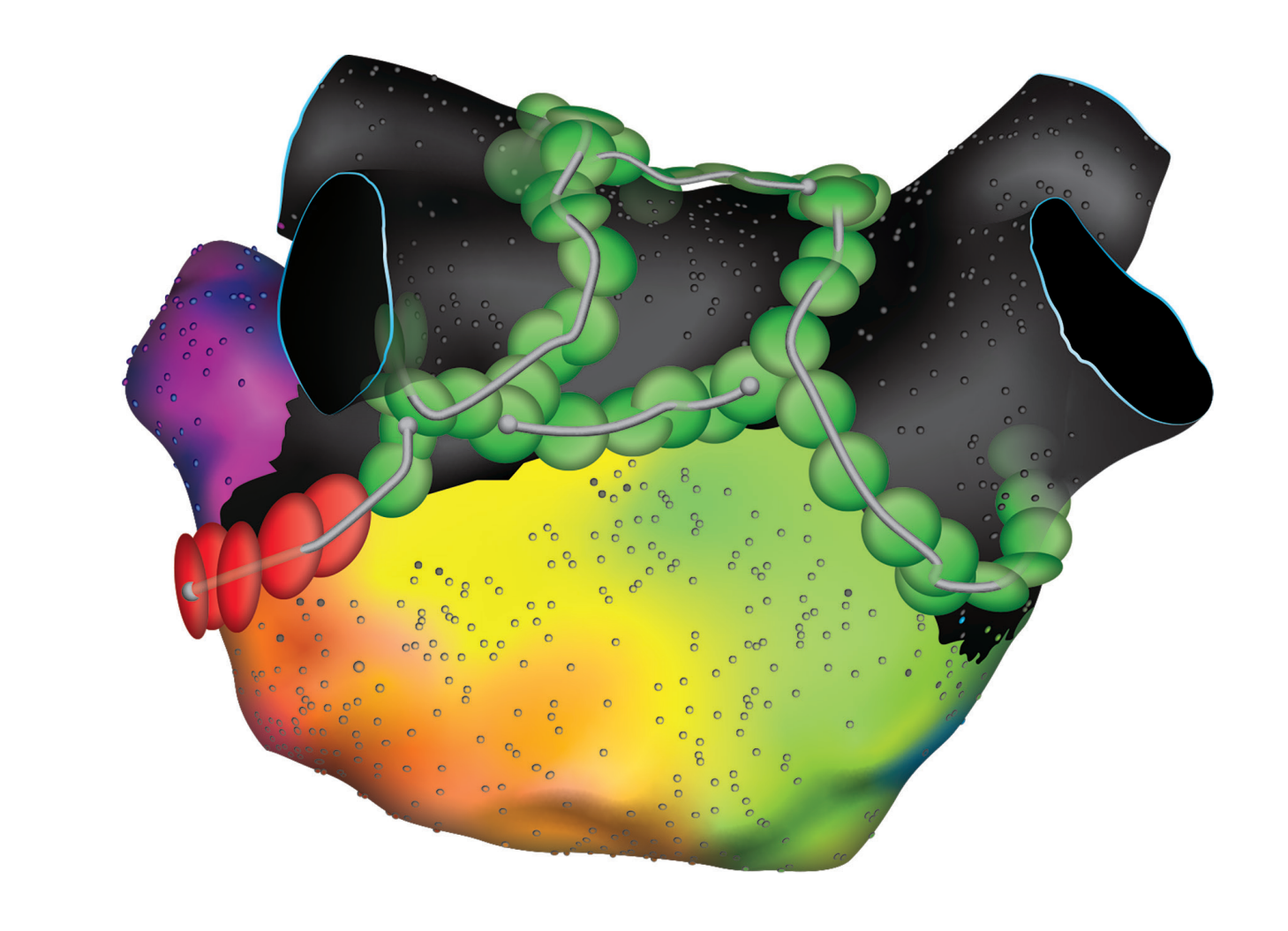
The key benefit of concomitant procedures is that we avoid duplicating access to the heart—eliminating the need for multiple groin entries, separate anesthesia events, and repeated hospital visits. Without a combined approach, a patient might undergo an ablation, then return later for a LAAC, and possibly a third procedure if another LA arrhythmia occurs. By performing a combined ablation and LAAC procedure from the start, we simplify care and make any future interventions easier and safer.
There is also growing evidence that the LAA may play a role in sustaining AF. If we address it during the same procedure, we may reduce the overall AF burden. Data from studies involving both the LARIAT and endocardial closure systems suggest this potential benefit.
From a financial standpoint, the CMS ruling has been beneficial for hospitals, making concomitant procedures more viable. For physicians, the impact is mixed, as we are reimbursed only 50% for the second procedure. However, I have found that many patients referred for a LAAC procedure now choose to have an AF ablation as well, since with PFA technology, their procedure time is not going to be inordinately long. Similarly, primary care physicians and cardiologists who initially consider only a LAAC procedure may now be more inclined to combine it with an ablation. Financially, this can benefit physicians overall, as the increase in ablation volume may help compensate for the reduced reimbursement associated with performing a second procedure.
Can you explain why you choose Medtronic’s PFA technology for concomitant procedures, and what benefits you are seeing when combining PFA with LAAC?
Among electrophysiologists performing ablations before the advent of PFA, some preferred single-shot cryoballoon techniques, while others favored point-by-point radiofrequency (RF) ablation. I have experience with both approaches, though I have generally leaned toward RF because it allows me to map a broader range of arrhythmias rather than focusing solely on pulmonary vein isolation. I have also become very comfortable using zero-fluoroscopy techniques with RF ablation, employing systems from both Johnson & Johnson MedTech and Abbott.
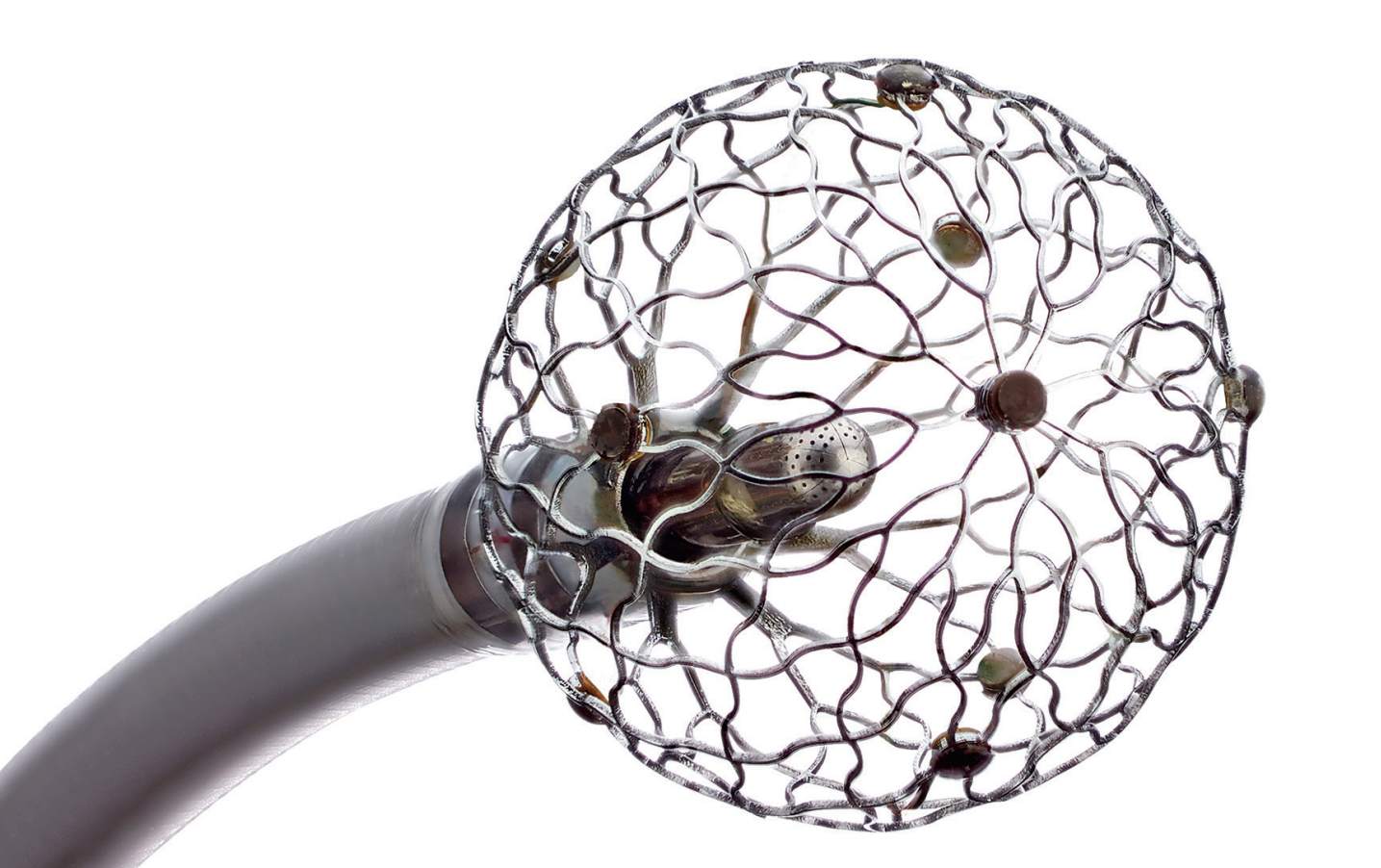
The Affera system aligns particularly well with operators accustomed to RF ablation and point-by-point workflows, and it supports a true zero-fluoroscopy approach. So, that is what I have adopted. With earlier versions of the system, we typically used less than a minute of fluoroscopy—mainly to visualize certain catheters. However, Sarasota Memorial is participating in the limited market release of the Prism-2 software for the Affera system. With this software upgrade, I was able to complete my first case using the Affera system entirely without fluoroscopy. Even before this update, zero-fluoroscopy procedures were possible with Medtronic’s platform, though mapping certain LA arrhythmias sometimes required limited imaging to confirm catheter placement in the coronary sinus. Now, with the enhanced visualization capabilities of the latest software, fluoroscopy is no longer necessary at all—an important advancement that reduces radiation exposure and benefits both physicians and patients. That is a win-win for all.
What advice would you give to physicians who are considering incorporating concomitant procedures into their practice?
I would advise physicians not to be discouraged by the current decrease in reimbursement. Over time, these issues can be addressed with CMS, and the financial landscape will likely balance out. To me, the clinical benefits are clear—you are combining symptom management with stroke risk reduction. That is a good option for patients, and I believe it will translate into better patient outcomes.
Most of the existing studies on concomitant procedures were conducted during the RF era, so additional data on PFA are still needed. As more experience is gained and larger-scale trials are completed, I am hopeful that the evidence will show us that this is the future of AF management and stroke reduction.
Disclosure: Dr Mathew has completed and returned the ICMJE Form for Disclosure of Potential Conflicts of Interest, and has no disclosures to report.
The transcripts were edited for clarity and length.
This content was published with support from Medtronic.
References
- Pulsed field ablation. Medtronic. Accessed October 20, 2025. https://www.medtronic.com/en-us/healthcare-professionals/specialties/electrophysiology/therapies-procedures/cardiac-ablation-mapping/ablation-therapies/pulsed-field-ablation.html
- Affera™ mapping system. Medtronic. Accessed October 10, 2025. https://www.medtronic.com/en-us/healthcare-professionals/products/surgical-energy/surgical-energy-systems/affera-mapping-system.html