Best Practices for Left Atrial Appendage Occlusion: Insights From a High-Volume Center
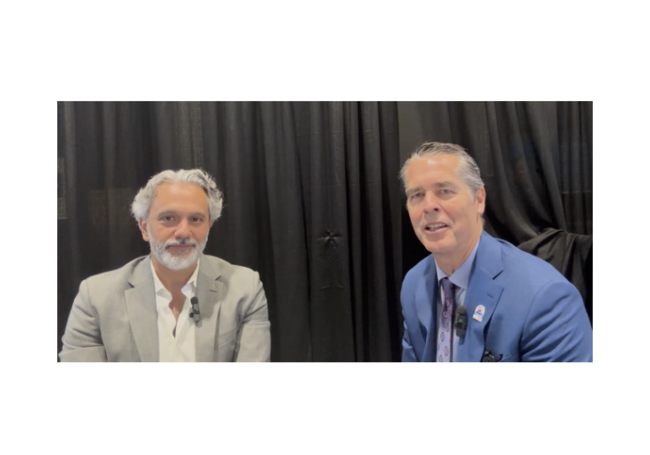
Interview With Thabet Alsheikh, MD
Interview With Thabet Alsheikh, MD
© 2026 HMP Global. All Rights Reserved.
Any views and opinions expressed are those of the author(s) and/or participants and do not necessarily reflect the views, policy, or position of EP Lab Digest or HMP Global, their employees, and affiliates.
EP LAB DIGEST. 2026;26(6):7.
Interview by Jodie Elrod
After reaching the milestone of 1500 left atrial appendage occlusion (LAAO) procedures, Thabet Alsheikh, MD, shares the operational, clinical, and patient care strategies that have helped Baptist Health Care build a high-volume, high-performing LAAO program. In this interview, he discusses the importance of guideline-based patient selection, dedicated care coordination, continuous quality improvement, and team-based collaboration in achieving strong outcomes while supporting sustainable program growth.
Baptist Health Care recently completed its 1500th Watchman implant—what key operational and clinical strategies have helped your program achieve both high procedural volume and strong patient outcomes over time?
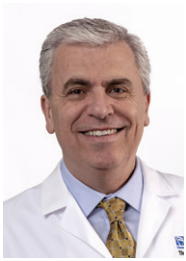 Several key strategies helped our program achieve high procedural volume over time. Early adoption of the technology was important, as was including all electrophysiologists and interventional partners who were interested in performing the procedure. This created more opportunities to learn the procedure and its indications, offer it to more patients, and increase procedural volume across multiple operators. We also adopted a concomitant approach combining atrial fibrillation (AF) ablation and Watchman device (Boston Scientific) implantation, resulting in a relatively lower threshold for the Watchman implantation in patients undergoing ablation. In addition, we focused on educating our partners and primary care physicians about the procedure and its indications, while also educating the broader community through regular community talks.
Several factors have also contributed to strong patient outcomes. These include adherence to guideline indications, shared decision-making, and careful database tracking. We place a strong emphasis on educating patients and providing careful instructions about the planned procedure, with close postprocedural follow-up by a dedicated team of schedulers and nurses. During our initial experience, procedures were performed jointly by 2 operators and then independently once they became more comfortable. We also use available tools for preoperative and intraoperative evaluation and planning, with cardiothoracic imaging and transesophageal echocardiography (TEE), respectively.
From an operational standpoint, dedicating an entire day to performing multiple procedures with dedicated support staff, company representatives, and a TEE imager has helped improve consistency and efficiency. We also regularly review the procedures performed and their outcomes through regularly scheduled meetings. This shared experience has led to the implementation of new tools, steps, and precautions to minimize complications and improve efficiency. Finally, we have continued to adopt the newer generation of devices and delivery tools as they become available.
From your perspective as a high-volume Watchman center, what are the most important patient selection and care coordination considerations that contribute to procedural success and long-term outcomes in AF patients?
Patient selection criteria have evolved over time and are reflected in the guidelines that have been adopted since the Watchman device first received approval by the US Food and Drug Administration in 2015. As with any procedure, adherence to guidelines is critically important.
Equally important is having a dedicated team responsible for guiding patients throughout their entire journey, from the initial office visit through the transition to a daily aspirin regimen. To support this process, we established a LAAO team that includes schedulers and nurse coordinators. They are responsible for obtaining the shared decision-making documentation from a second provider, as required by guidelines, securing preauthorization, and providing detailed patient instructions regarding preoperative medication management, postoperative follow-up, office evaluations, and adherence to the Watchman protocol. They also serve as a direct point of contact for patients, ensuring access to a coordinator who can address any questions or concerns related to the procedure and its outcomes.
Another essential component is having well-trained hospital and EP lab staff who are experienced with the procedure. In addition, maintaining a reliable database that can be readily accessed and reviewed is vital for ongoing review and evaluation of the program.
Finally, a close working relationship with hospital administration has been instrumental to both the initial adoption and continued growth of the program. Involving them in the implementation and ongoing review processes has helped support the program’s success.
As more centers expand their LAAO programs, what best practices would you recommend for building a sustainable, high-performing Watchman program while maintaining consistency, safety, and quality of care?
Careful and consistent implementation of a new procedure leads to success, and with success, growth is inevitable. We already have protocols and support systems in place to train electrophysiologists and interventionalists to successfully perform LAAO procedures. Several key elements are recommended when building and growing a high-quality, high-volume program.
First, it is essential to have institutional buy-in to support both the launch and continued growth of the program. This support should be based on a thoughtful evaluation of the procedure’s benefits to patients, the need to make this service available within the community, and the financial considerations associated with implementing and sustaining the program.
It is also important to include all electrophysiologists and structural interventionalists who are interested in performing the procedure. In our experience, there is sufficient volume to keep all operators engaged while maintaining a high level of skill, safety, and procedural efficiency.
Establishing a dedicated LAAO team is another critical component. This team should include schedulers, nurses, and coordinators who oversee the program and help guide patients throughout their entire journey, from the initial referral through the final transition to a daily aspirin regimen.
Regular meetings involving operators, hospital staff, administration, and the LAAO team are essential for reviewing outcomes and identifying opportunities for improvement, and supporting the program’s growth.
Adopting new technologies and tools can further enhance safety and efficiency. For example, we now use intracardiac echocardiography to guide LAAO implantation, which provides greater scheduling flexibility without the need for a dedicated TEE imager. We also routinely use vascular closure devices, allowing same-day discharge for the majority of patients.
Referring physicians should be regularly informed about the procedure and its benefits, while community awareness efforts should be maintained throughout the year, particularly during Heart Month and AF Awareness Month. Educational YouTube videos featuring the operators themselves can also be a valuable resource for patients.
Finally, sharing and highlighting program volume and outcomes with partners, referring physicians, and patients helps build and maintain trust.
Related Content