Romania Orders 600 New Ambulances to Boost EMS Capabilities
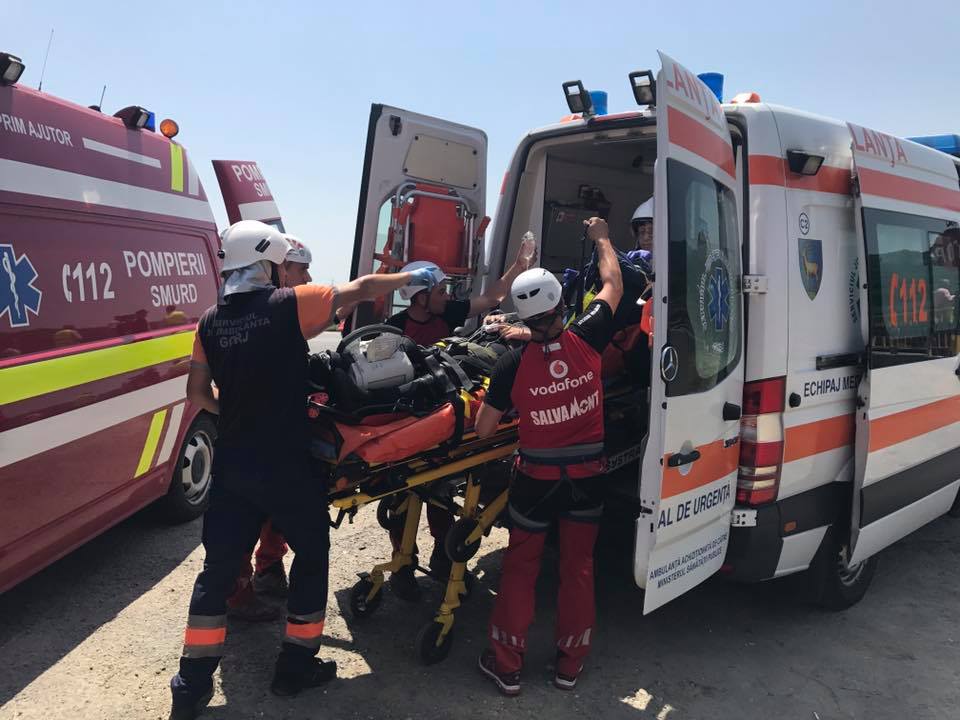
Romanian Deputy Internal Affairs Minister Raed Arafat announced that the country’s authorities have ordered some 600 new ambulances to boost the capacities of the nation’s EMS. The much-awaited purchase has been delayed due to disruptions in the supply chains, according to the senior official.
“The issue was related to the market. We had a framework agreement, but no one wanted to sell [ambulances]. Companies didn’t want to sign further contracts. The auction was now completed. We expect the first deliveries in May or June,” the deputy interior minister said, as quoted by local news agency Agerpres.
“Around 600 ambulances will arrive starting in May and we will start to distribute them within the County Ambulance Service and the Mobile Emergency, Resuscitation and Release Service. A large number will be delivered to the [County] Ambulance Services,” according to Arafat.
The acquisition of new ambulances is estimated to be worth around RON 546 million (US $124 million), as indicated by data shared by the Romanian government. The purchase is to be completed over a period of three years.
“Equipping emergency services with new ambulances, equipped appropriately and in accordance with the latest medical standards, will lead to a reduction in response time, an essential element for saving people in emergency situations,” said Mihai Constantin, a spokesperson for the Romanian government.
Romanian State Secures Funds for Investments in EMS Capacities
The Romanian healthcare system is state-run and managed by the country’s Ministry of Health. The General Inspectorate for Emergency Situations (IGSU), which is overseen by the Romanian Ministry of Internal Affairs, is tasked with running the nation’s EMS, which operates under two branches: the County Ambulance Service, and the Mobile Emergency, Resuscitation and Release Service (SMURD) which is subordinated to the IGSU.
The SMURD, established by a group of medical professionals centered around Arafat prior to his entry into politics, runs its separate fleet of ambulances, uses the aviation structures of the Ministry of Internal Affairs, and collaborates with local public authorities and regional hospitals. Depending on the region, the SMURD only runs ambulance services that are complementary to the County Ambulance Services or operates airborne EMS. These are currently supported by a fleet of four aircraft, including Eurocopter EC 135 helicopters, according to data from the service.
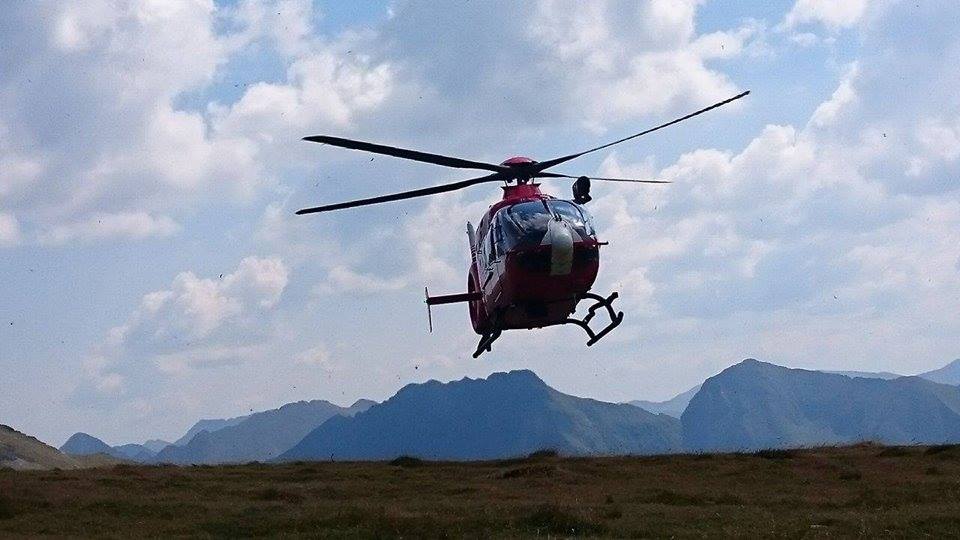
While the nation’s EMS is state-run, there are also private operators active in the sector who operate their respective ambulance fleets. The County Ambulance Services aggregates some 41 stations, and the SMURD runs 42 stations at national level, according to figures from the Romanian Ministry of Internal Affairs.
The latest purchase of ambulances follows similar investments Romania’s authorities have carried out over the past years, aiming to upgrade and expand the nation’s EMS capacities. In 2023, the IGSU signed a contract to buy some 122 new type A ambulances fitted with semi-automatic defibrillators and other types of necessary medical equipment. The purchase was implemented with the use of funds obtained from the European Union.
The 2023 and 2025 ambulance purchases are a continuation of the previous modernization drive of the years 2015 to 2020 when Bucharest bought close to 900 new ambulances that were delivered to the SMURD. Other major ambulance acquisitions to be carried out in Romania in preceding years include the acquisition of 122 Renault Master ambulances which were supplied by 2019.
Constantin said that the purchase of 600 new ambulances will be financed from "non-reimbursable external funds." This suggests that, similar to the 2023 acquisition of vehicles for the Romanian EMS, the new ambulances will also be bought with the use of funds secured from the EU. Romania has been a member of the bloc since 2007.
Arafat moved to Romania in the 1980s, and launched the service’s first unit in Târgu Mureș, a city in northern Romania, with the backing of the local fire brigade. The doctor’s involvement in the service’s establishment has led to his appointment as the nation’s acting Health Minister in 2012, and later the Deputy Health Minister in 2014.
About the Author
Jaroslaw Adamowski is a freelance journalist based in Warsaw, Poland. Among others, he covers the EMS industry and related developments in Central-Eastern Europe.