Aging Population, Stagnant Wages Push Japan’s EMS Sector to the Brink
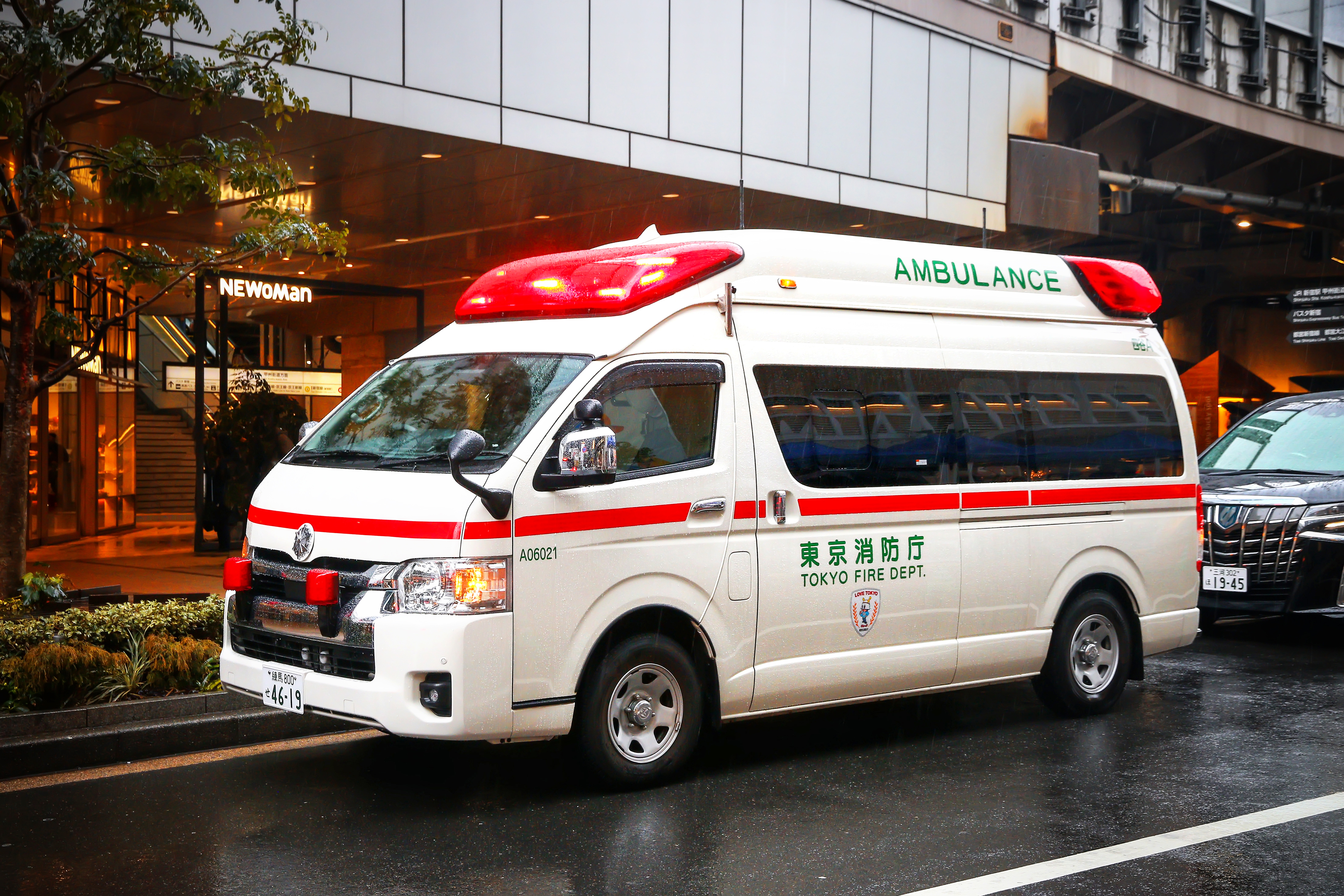
The ever-growing number of older adults continues to put a serious pressure on the Japanese healthcare and EMS sectors, forcing the federal government to search for additional personnel to deal with new and existing challenges.
The EMS and healthcare sectors of Japan have always been considered as one of the best in the world, but a shortage of personnel and traditional Japanese bureaucracy has become one of the major problems of the industry.
A 2023 report from the Organization for Economic Co-operation and Development (OECD) found the overall number of hospitals in Japan in 2021 to be more than 8,000, most of which had their own ambulance departments. The number of these facilities has only increased, making Japan the leading country in terms of hospital and EMS infrastructure. Japan dominates major nations in the number of hospital beds per 1,000 residents, with 12.8 beds per 1,000. This is four to five times higher than countries like the UK and Germany. Despite this, the number of staff employed in the country’s healthcare and EMS sectors—including paramedics, ambulance doctors, and nurses—is one of the lowest in developed world at 2.6 doctors per 1,000 residents.1
The situation is complicated by the ever-growing number of older adults in the country, who require additional care and staff. According to state expectations, by 2060 up to 25% of the Japanese population will be 75 years old or older.
Staffing shortages arose during the COVID-19 pandemic; however, since its end no significant steps have been taken to solve the problem. That said, the English language news site, Japan Forward, reported that the Japanese government is considering several ways to use its EMS resources more efficiently, as it may be impossible for the country to significantly increase the number of personnel, even with the attraction of some staff from abroad.
Part of state plans is the reduction of workload on existing personnel. Failure of these plans poses a serious threat to the quality of provided services in the field of EMS, which may seriously decline.
The government increased salaries for most of ambulance doctors and nursing staff, but it remains to be seen whether it will attract new personnel to the sector. The raises were generally insufficient and mostly affected doctors. In case of nurses, the current situation with nursing staff in Japan remains complex. The inflow of new personnel (including those from abroad, particularly from Philippines), is complicated by high qualification requirements and complex certification and licensing procedures. Many applicants also experience serious problems with passing language tests.
To deal with the existing shortage, some major hospital groups in Japan have launched their own programs to attract skilled staff from abroad. For example, the Kaikoukai Healthcare Group signed a memorandum of understanding with Indonesian province of West Sulawesi for hiring 50-60 nursing graduates each year starting in 2025.
In general, the average salaries in the Japanese healthcare and EMS sectors remain lower than those in other developed nations, especially those in the West, which has led to migration of some of skilled workers to abroad, particularly to the United States and Australia.
Local analysts say the current problems with financial compensation for Japanese healthcare and EMS workers is rooted in the modern history of the country related to an economic slump that started in the early 1990s and lasted for over 20 years. During this time, Japan struggled with weak economic growth, low GDP rates, and stagnant business expansion. That led to the almost complete freeze of growth of wages in most sectors of the Japanese economy, including EMS and healthcare. Fifteen years later, the aging local population still prevents a significant growth of industrial output in the country and hampers further wage growth.
The government is also exploring the use of various innovations and technologies, such as robots and artificial intelligence, which are being tested in various hospitals and ambulance departments with the aim of reduction workload on personnel.
In addition, the Japanese government allowed the use of ships for transportation and evacuation of patients from disaster situations, such as following an earthquake or tsunami. These ships are used as floating hospitals with their own ambulance departments in the event of disasters or infectious disease outbreaks. They stay based at ports near disaster-hit areas to provide medical care.
In 2023, then Prime Minister Fumio Kishida instructed the government to draw up a draft plan to prepare hospital ships so that such vessels can be operated from fiscal 2025. Current Prime Minister Shigeru Ishiba reiterated the instruction with a goal of January 2026. It’s unclear whether the government met that goal.
"In our country, surrounded by the sea, there are situations in which approaching disaster areas from the sea and providing medical care, including emergency medical care, are effective," Kishida said when he made his call to action.
The ships were first deployed for the evacuation victims of the Noto Peninsula earthquake in central Japan on Jan. 1, 2024.
References
1. World Bank. (n.d.). Physicians (per 1,000 people). World Bank Data