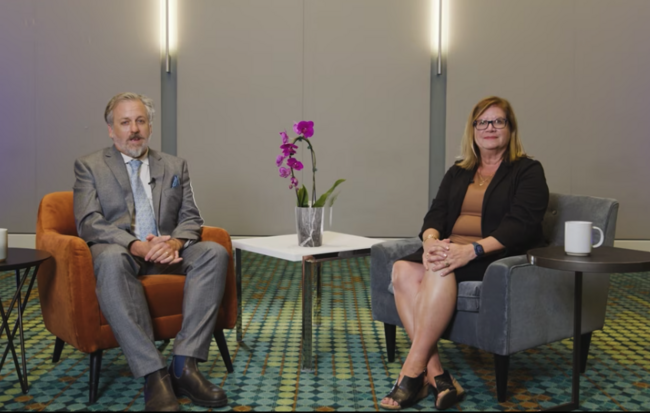
Psych Congress Family & Friends Podcast, Episode 8: Beyond the Headlines: The Good, The Bad, and The Ugly of SSRIs
Public discussion often links psychiatric medications with violence, suicide, or even mass shootings—but what does the evidence actually say? In this episode, Drs. Rakesh Jain and Craig Chepke are joined by Dr. Ragy Girgis of Columbia University to examine the data. They explore the small but important nuances around antidepressants, black box warnings, suicidality, and violence risk in untreated psychosis, while debunking common myths perpetuated in the media. This conversation equips clinicians with the knowledge and language they need to engage patients, families, and society with clarity and confidence.
Episode Highlights:
- Clarifying the small increase in violence risk among untreated psychotic and affective disorders
- Why medications reduce violence risk rather than contribute to it
- A review of evidence that antipsychotics have no association with aggression or violence
- Understanding the black box warnings on SSRIs and what suicidality truly means
- Differentiating ego-dystonic vs. ego-syntonic suicidal thoughts and how treatment changes reporting
- Examining the consequences of misreading black box warnings, including increased suicides after reduced prescribing
- Findings from the Columbia Mass Murder Database on psychiatric illness, medication use, and mass shootings
- Strategies for clinicians to address patient and societal concerns about psychiatric medications with data and clarity
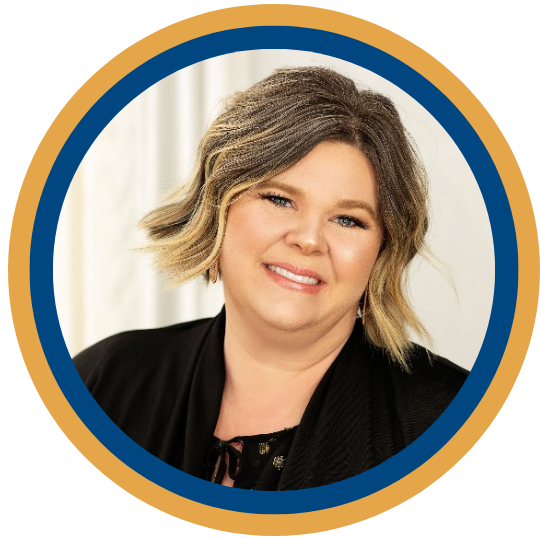
 Rakesh Jain, MD, MPH, attended medical school at the University of Calcutta in India. He then attended graduate school at the University of Texas School of Public Health in Houston, where he was awarded a “National Institute/Center for Disease Control Competitive Traineeship”. His research thesis focused on impact of substance abuse. He graduated from the School of Public Health in 1987 with a Masters of Public Health (MPH) degree.
Dr Jain served a 3-year residency in Psychiatry at the Department of Psychiatry and Behavioral Sciences at the University of Texas Medical School at Houston. He followed that by obtaining further specialty training, by undergoing a two-year fellowship in Child and Adolescent Psychiatry. In addition, Dr Jain completed a postdoctoral fellowship in Research Psychiatry at the University of Texas Mental Sciences Institute, in Houston. He was awarded the “National Research Service Award” for the support of this postdoctoral fellowship.
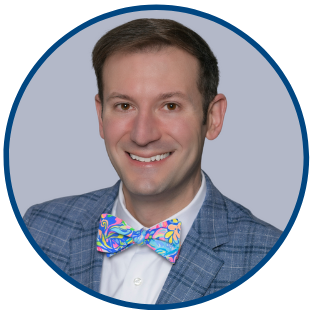 Craig Chepke, MD, DFAPA, is a Board-Certified psychiatrist in clinical practice as the medical director of Excel Psychiatric Associates in Huntersville, NC, and is an Adjunct Associate Professor of Psychiatry for the Sandra and Leon Levine Psychiatry Residency Program at Atrium Health. He attended NYU School of Medicine and completed his psychiatry training at Duke University. As part of an interdisciplinary treatment team in his practice, he employs a person-centered care model to tailor treatments to each individual's needs, integrating traditional pharmacotherapy with psychotherapeutic and physical health and wellness interventions. His clinical and academic interests include serious mental illness, movement disorders, ADHD, and sleep medicine. Dr Chepke is the Scientific Director for the Psych Congress portfolio of CME conferences, and he has been recognized as a Distinguished Fellow of the American Psychiatric Association.
© 2025 HMP Global. All Rights Reserved.
Any views and opinions expressed are those of the author(s) and/or participants and do not necessarily reflect the views, policy, or position of Psych Congress Network or HMP Global, their employees, and affiliates