Experts Highlight the Role of Sleep in Mental Health at Psych Congress NP Institute 2026
Key Clinical Summary
- Sleep disturbances occur in up to 90% of patients with major depressive disorder (MDD) and are linked to poorer outcomes, including relapse and suicidality.
- Sleep-wake disorders and psychiatric conditions have a bidirectional relationship, each potentially causing or worsening the other.
- Structured screening tools (eg, ESS, STOP-BANG) and sleep histories are essential for identifying underrecognized comorbid sleep disorders.
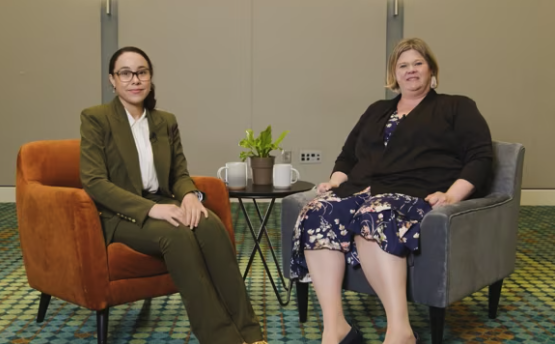
At the 2026 Psych Congress NP Institute in Nashville, Tennessee, Steering Committee Member Rakesh Jain, MD, MPH, and Chelsie Monroe, APN, PMHNP-BC, highlighted the clinical and neurobiological overlap between sleep disturbances and psychiatric conditions in their session, “More Than a Symptom: Understanding and Assessing Sleep Disturbances in Psychiatric Practice.”
“Sleep is probably the single most important thing a psychiatric mental health professional can [target] to improve a patient’s life,” said Dr Jain, who opened Friday morning’s session with evidence demonstrating that sleep disturbances are highly prevalent across psychiatric disorders; in major depressive disorder (MDD), sleep difficulties affect up to 90% of patients and are associated with slower improvement, lower remission rates, and increased relapse risk. Notably, at least 32 studies have linked sleep disturbance to suicidal ideation and completed suicide, independent of depression severity.
Sleep disruption is similarly pervasive in bipolar disorder and schizophrenia. Approximately 70% of euthymic patients with bipolar disorder report clinically significant sleep disturbances, while in schizophrenia, disrupted sleep predicts the onset and persistence of psychotic symptoms such as paranoia and hallucinations.
“The first symptom of an arriving depression, mania, or mixed episode is a lack of sleep,” Dr Jain said. He encouraged clinicians to view sleep as a “thermometer,” or a tool to detect early signs of psychiatric disturbance.
The presenters further emphasized the bidirectional nature of sleep and psychiatric disorders, noting that sleep disturbances can act as both early symptoms and risk factors for mental illness. At the same time, psychiatric conditions frequently manifest with sleep-related symptoms, including insomnia and hypersomnolence.
Monroe then dove into the underlying neurobiology of sleep, highlighting the orexin system as a key regulator integrating sleep, circadian rhythms, and overall mental health. Comparing sleep to a concert, she described orexin as the “conductor to turn on other neurotransmitters that we deal with in psychiatry every day.”
She emphasized that clinicians should assume co-occurrence and routinely evaluate sleep symptoms as part of psychiatric assessment.
For clinicians looking to better identify sleep disorders, Monroe underscored the value of structured screening approaches. When screening for depression, for example, “we wouldn’t just ask someone if they’re depressed or if they’re feeling okay,” she said. “We need to think the same for sleep.” She highlighted tools including the Epworth Sleepiness Scale (ESS) and STOP-BANG questionnaire to facilitate identification of insomnia, hypersomnolence, and obstructive sleep apnea (OSA) in routine practice. Sleep diaries were also presented as a simple approach to collecting detailed sleep histories from patients.
Both faculty also stressed the importance of interdisciplinary collaboration, noting that referral to sleep specialists is warranted when symptoms persist despite psychiatric treatment or when primary sleep disorders are suspected.
As they closed their session, Jain and Monroe underscored to attendees that sleep-wake disorders are integral to psychiatric diagnosis and management, with significant implications for outcomes and relapse prevention. Ongoing integration of sleep medicine into psychiatric practice may enhance early intervention and improve long-term mental health outcomes.
For more conference coverage, visit the NP Institute newsroom.