Part 3: Rebuilding Confidence: Multidisciplinary and Holistic Approaches to Severe Alopecia Areata
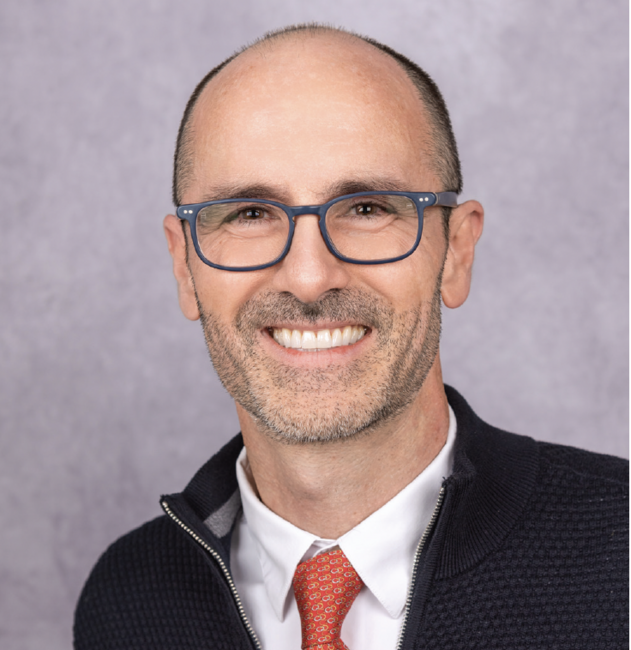
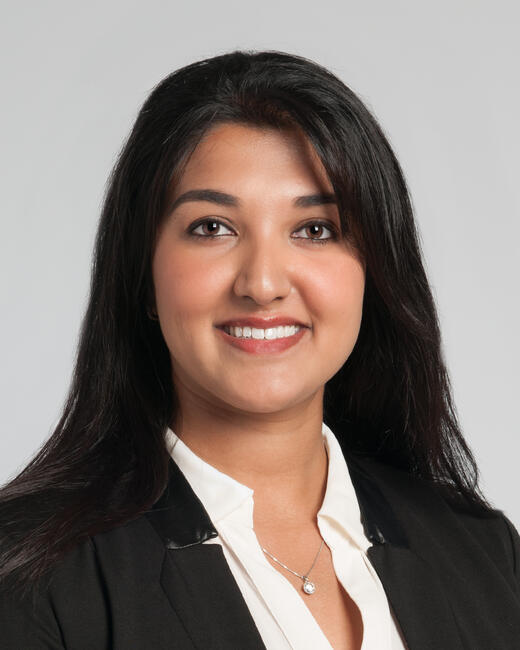
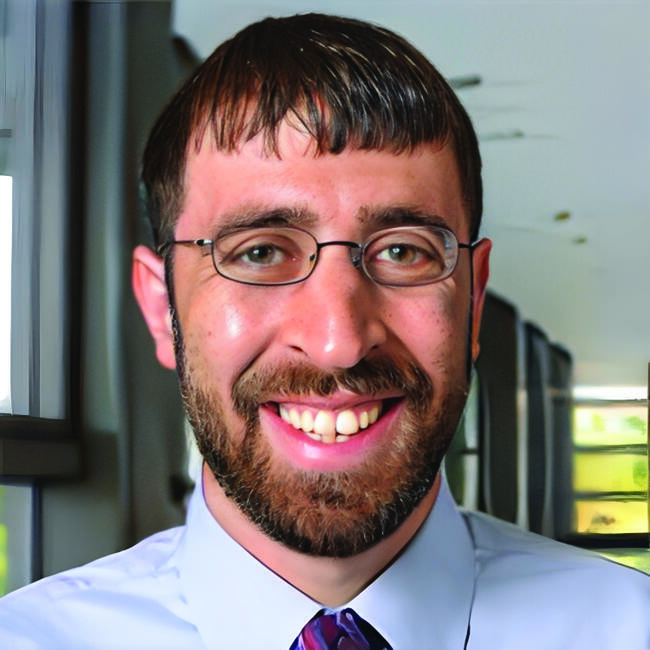
In the final installment of this expert roundtable series, dermatologists Dr. Brittany Craiglow, Dr. Brett King, and Dr. Maryanne Senna explore the psychosocial dimensions of alopecia areata (AA) and what it truly means to treat the whole patient. While recent advances in medical therapy have transformed clinical outcomes, many patients continue to struggle with the emotional aftermath of hair loss—even during or after regrowth.
This session highlights practical, real-world strategies for integrating holistic care into dermatology practice, including how to create space for vulnerable conversations, the value of referring patients to resources like the National Alopecia Areata Foundation (NAAF), and how to validate patient experiences across all stages of the disease. The panel also shares first-visit tips for clinicians new to treating AA, how to support parents and children, and why regrowth doesn’t always mean recovery. Whether you treat AA occasionally or routinely, this session will equip you with empathetic tools, communication insights, and multidisciplinary approaches that deepen your impact in patient care.
Brittany Craiglow, MD, is an associate professor adjunct - dermatology at Yale School of Medicine.
Brett King, MD, PHD, is a board-certified dermatologist specializing in hair loss disorders, vitiligo, and atopic dermatitis (eczema) in Connecticut.
Maryanne Makredes Senna, MD, is a board-certified dermatologist at Beth Israel Lahey Health, and assistant professor of dermatology at Harvard Medical School.
Key Clinical Takeaway
- Multidisciplinary Support Enhances Outcomes:
- Clinicians are encouraged to treat alopecia areata (AA) as a journey, not just a diagnosis—support should extend beyond hair regrowth.
- Multidisciplinary and holistic care includes psychosocial validation, emotional support, and practical guidance through all disease stages.
- Leveraging the National Alopecia Areata Foundation (NAAF):
- NAAF provides robust patient resources: national conferences, webinars, local support groups, peer connections, doctor-finder tools, insurance advocacy tip sheets, and cranial prosthesis support.
- Particularly valuable for children, adolescents, and parents through dedicated programming and community-building.
- Validating the Emotional Impact:
- Patients often downplay their distress in clinic. Physicians must ask deeper, follow-up questions to understand true psychological burden.
- Statements like “this is really hard” and “many patients feel this way” offer patients permission to express their emotions authentically.
- Community Support Considerations:
- Online groups and social media can be both empowering and misleading. Physicians should guide patients to credible resources like NAAF and caution about anecdotal, non-evidence-based claims (e.g., environmental triggers).
- Support networks are essential—patients benefit from connecting with others who truly understand the experience, especially when facing public scrutiny or parenting a child with AA.
- Recognizing Complex Psychosocial Dynamics During Regrowth:
- Successful treatment does not end the journey. Regrowth often brings new challenges: fear of relapse, decision fatigue around removing wigs/hats, and discomfort with altered appearance (e.g., unsolicited attention on short regrown hair).
- Clinicians should avoid minimizing these issues and instead offer ongoing reassurance and support.
- Clinical Communication During Initial Visits:
- Offer brief, clear education: AA is an autoimmune disease; extensive lab work typically isn’t necessary.
- Address the patient’s instinct to search for a cause or “trigger” by explaining that AA, like other autoimmune diseases, often arises without a specific external factor.
- Navigating Patient Focus on Root Cause:
- Many patients fixate on identifying a trigger (e.g., vaccine, illness, stressor). While this is understandable, clinicians should gently redirect focus toward treatment, acknowledging the lack of a definitive cause.
- Addressing Comorbid Atopic Disease:
- In patients with coexisting moderate-to-severe atopic conditions (e.g., eczema, food allergies), optimizing overall immune balance—through allergen avoidance or treatment of atopy—may support better AA outcomes, particularly in mild-to-moderate cases.
- Empowering Clinician Participation in AA Care:
- With the availability of effective therapies (e.g., JAK inhibitors), dermatologists no longer need to feel powerless when treating severe AA.
- Clinicians are encouraged to embrace AA care, recognizing the rewarding, long-term relationships it fosters and the profound quality-of-life improvements possible.
Transcript
Dr Craiglow: Now we are going to move to a section called Rebuilding Confidence, multidisciplinary and Holistic Approaches. And this is just the ideas to kind of talk a little bit about treating the whole patient and what might a clinic visit look like, what are resources for patients? We've talked a little bit already about how to address the emotional psychosocial aspects of alopecia, but kind of going a little more in depth into what that looks like and the things beyond medical therapy that we can offer patients. And there are a lot. So Marianne, you mentioned the national Alopecia Areata Foundation already. Maybe do you want to just speak a little bit about that and some of the resources they have and what maybe that has meant for some of your patients?
Dr Senna: Yeah, I mean, I think they've been such an important resource for so many of my patients. So whether it's the annual patient conference that they have, that happens usually around every end of June, beginning of July, where it's just such a moving event where they have all these speakers talking about everything from coping with your alopecia, to giving people living with AA medical advice and kind of important tips and sort of breaking news on what's going on with therapies to just, "this is how you can do eyebrows" and "this is how you can do your hair" and "this is how you can camouflage it." And importantly, one of the things I thought was so special during that time was that for the children and adolescents who deal with AA, they have their own separate camp during the conference too. And so they can also help support parents of children who are dealing with alopecia. And I think that's a really special community that they have there, and you could just feel like the love and support in that meeting. But in addition to that, they have webinars, like I was mentioning earlier, to help empower people living with AA or parents of children living with AA. They have a doctor finder so that if you're not sure who close to you is someone who, okay, they're a dermatologist, but do they really know AA? Do they want to treat the alopecia areata patient population? They have that. And they also just came up with new tip sheets, I guess, on how to get your medication covered, how to be part of advocacy for getting your medical hair prosthesis or whatever it is, cranial prosthesis covered and things like that. So all of these different aspects of the disease, I think they've done a really good job at providing resources for.
Dr King: I think if I could just jump in really fast, I think everything that you just talked about, Marianne, it's just important to know that you're not alone, right? No matter, no matter what ails us, no matter what we're suffering from, it's often feels good to know that you are not alone. And NAAF is sort of a way to connect with others who are having a similar experience. And without a doubt, for some people, I try to bring NAAF into their awareness and they say, I just want my hair. I don't want anything but to have my hair back. I don't want anything else. But for others, and let's remember, not everybody's going to get their hair as good as we are doing, as transformative as therapy with JAK inhibitors has been, not everybody is going to win. And so again, having others who have gone through a similar experience can be helpful for families and patients.
Dr Craiglow: And I think some patients sort of, as you said, maybe shy away from that or think, oh, a support group isn't really for me. But again, I think other experiences that we have, we're able to get sufficient support from our family, our friends, but as we've talked about, this is such a unique experience that a lot of, as much as maybe others might try, they don't get it. They don't get it in the same way that the parent does or the children, et cetera. And I think it's really, really validating for people to hear their thoughts come out of somebody else's mouth, right? Oh my gosh, I'm not crazy for thinking that. This is a universal experience. Everybody's having a hard time with this, or I just think it is, again, going back to this, it's a little bit different because of that, the visual experience, et cetera.
So I think having a community is useful, or even just a friend. Sometimes we'll try to connect parents with one or two other people and just to have another mom or dad. You can text when some kid asks your child at the playground why they don't have hair. And to have somebody on the other end who can empathize, who can really empathize and not somebody who's sort of saying, oh, at least it's not the, oh, trying to fix their feelings for 'em. And there are lots of patients I think are in groups online. There are also local support groups. And I think importantly, NAAF, there is a way to interact, but if you're more just looking for information, their website has a lot of information on it. And I think for a lot of patients educating themselves, it gives you a little bit of power. You have an understanding and knowledge is useful. And I think some of the online groups, they can be a blessing and a curse because a lot of people, anybody can say anything they want on these chats and things like that. And I think a lot of patients come in with feeling sort of confused sometimes because of the differing opinions that they hear about environmental triggers, and this person is going to have their house checked for mold. So sometimes it can be helpful, but there also are these, there's some misinformation and things like that that I think will come up sometimes, especially among the more... you know, on a social media website for example.
Dr King: There's just a lot of misinformation out there. But also one of the things that we as providers can do for patients, and this kind of ties really nicely back to the very start of our conversation earlier, we would like to validate patients' experiences, validate their feelings. And again, you can't do that with the one question, does this bother you? Because everybody's going to say, no, I'm fine. But just to say, maybe ask one more question to try to really let them have the opportunity to say how this has affected them. But it really is sort of like come as you are and feel like you feel. But the idea is we want patients to be able to, if this is the worst thing that's ever happened to you, that's okay, one of the problems with the online, but a potential problem with the online community is you can also find people who say, oh, no, this is who we are. And so you should embrace it. By the way, if this is who you are and you want to embrace it, that's cool, but don't let anybody else tell you how to feel. And so again, it's one of the things that's important for us as providers is to help and acknowledge patients in the journey that they're on. And this really is alopecia areata. If you listen to the entirety of the talks that we've just kind of put together, it's a journey. It truly is a journey from beginning to end, whether there's treatment in there or not. And we want to help our patients have a sense of agency, and we want our patients to have a sense that the way they feel and their experience is validated. And I think we can do that. And often NAAF can do that in a way that just a random online community might run contrary to that for many patients.
Dr Craiglow: Yeah, I think, and again, it doesn't have to take a long time, and obviously it's easy to point someone to NAAF and those resources, but just saying a few things like "this is really hard," "I know a lot of patients feel this way or that way." Just sort giving people permission to share their story as sort of corny as it sounds, I think is so helpful in that sort of journey aspect I think is very important because oftentimes we feel like, oh, when somebody's growing hair, everything is good. And it's not really the case here. It's, I often say, it would be nice if one thing about this disease could be uncomplicated, but it's not, right? Because you've had this traumatic experience. Even if you're growing hair, oftentimes you're worried that this is going to happen again, and maybe you do get patches. A lot of people will have patches. And then what does that mean? And the decision to remove a hat or a wig, there are a lot of complexities. And so I think kind of understanding that as a physician in the room, I've learned so much, and I'm sure in the past I've said things like, "oh, you should just get rid of your wig. You look so cute with your pixie cut" or whatever. And it's like, no, that's a big decision. And especially for patients when their hair is growing in and it doesn't look like their old hair, all of a sudden I see a lot of young girls, if they decide not to wear a hat or a wig and they're growing their hair, they get a lot of attention for their short hair, right? Oh, you look so cute. Oh, I love your haircut. It's another reminder that you have something different about yourself. And it's one thing if you cut your hair and you made that choice, then you would invite the attention. But when it's not your choice, it's there again, it's in your face a lot, hair's growing in, it's different lengths. So I think just kind of understanding that just because someone is having successful treatment doesn't mean that it's kind of over for them is another kind of important aspect. And we can be supportive throughout the process.
Maryanne, before we finish up for maybe think about people watching or listening who don't treat a lot of alopecia areata, do you have any kind of tips for that first visit? Some of the things you might say, how can we help other people to support their patients and ultimately develop a really meaningful relationship? I think, again, we all went into medicine to help people, and this often to me kind of feels like the epitome of that. So I think we want people to have a positive experience and not sort of dread the hair loss visit.
Dr Senna: So I think a lot of the things we've talked about as far as how to make the patient feel seen in their experience, and then Brett really spoke beautifully about how you're counseling them around efficacy and safety and expectations. And I think one of the challenges, but patients really need to be heard and certainly parents really need to be heard, is at their first visit or if they haven't had alopecia areata before, they were like, why did I get this? Do I have to do all these laboratory assessments and do I need to look into X, Y, Z? Or is something seriously happening to me that's causing this and that needs to be fixed so that my hair can come back? So I think addressing that aspect of it, whether or not a patient brings it up from the outset by starting with just a brief, this is what alopecia areata is, it's an autoimmune condition. We don't do extensive laboratory assessments because it's been shown that actually those don't help very much. They don't yield very much. Or you might talk about a few that maybe you might do, okay, maybe make sure someone's not iron deficient or vitamin D deficient, but I'm going to do that just for you to be healthy maybe anyway. But that doesn't mean it's going to grow your hair back just because you replace your iron or because you make your vitamin D better. But one thing that I do sort of do in a very small subset of patients that we haven't touched upon is there is that quarter to a third of patients who will have significant atopic disease, really bad food allergies, moderate to severe eczema, that I do feel like getting those things under control can sometimes help in the more mild to moderate cases.
So what do I mean by that? For a patient who comes in with new onset alopecia, areata mild to moderate disease, and they had food allergies, but now they're not really being as good at paying attention to them. Well, even the treatments that we do to try to help that alopecia areata, in my experience, unless we're also addressing the allergies, if they're still active, it makes the alopecia areata sometimes a little bit harder to treat. And that might not be in every patient, but I think if we're thinking about multidisciplinary approach, holistic care, there's just one other piece of the history and the disease that I do think about addressing in that small subset of patients.
Dr Craiglow: For sure, atopy is probably the most common thing that we see along with alopecia areata, sometimes autoimmune thyroid disease. But again, importantly, as you said, patients need to understand that that's not the cause,
Dr Senna: The whole picture
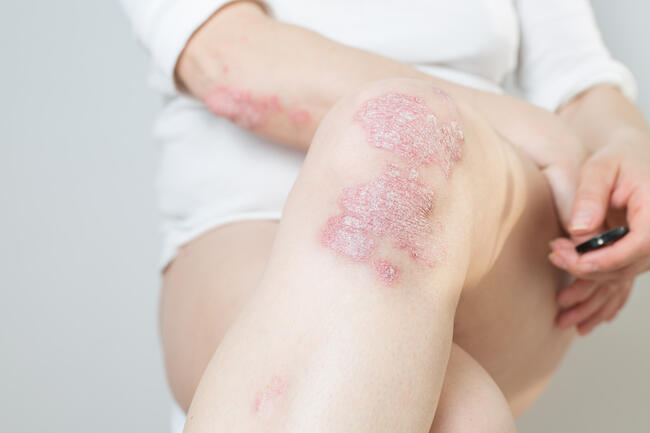
Dr Craiglow: These things run together genetically. And I think there's something, again, I think when a disease is visible, it feels like there has to be something from the outside world causing this. And people get very, very fixated on sort of why, the trigger. And they oftentimes have a story, well, a week before this happened or two months or three months, and it will be a vaccine, it will be a stressor, it'll be an illness. And they really want to assign blame, which I think is human nature and completely understandable. But I think it's important to try to help people kind of move away from why, because ultimately we don't have a satisfying answer for that. It is just a thing that happens, right? And it's kind of wild that this could just come out of the blue, and that's hard for patients, I think, to accept that because again, you feel very out of control. "There ought to be something I could fix to make this better," but unfortunately there isn't. So acknowledging that it would be nice if we had something to kind of attribute it to, but we don't. And so, okay, let's move away from sort of fixating on why it happened and more towards, okay, what are we going to do about it? How are we going to treat it? And I think this is sort of some of the rabbit hole online stuff is from trying to find the root cause or the source or the trigger. And a big part of our job is to help people understand that we can't do that, at least right now. But again, not to completely dismiss it, say, I get it, it feels awful that there isn't really a reason, but this is what happens with autoimmune disease. People just get psoriasis. They just get type 1 diabetes. This is just what happens. And I think kind of making those connections to other things, and this is just these other things that we see that we don't have a good reason for. It can sometimes be helpful too. So yeah, so many aspects I think that can come up in that initial visit for sure.
Yeah, I think we've covered so many things. I think it really is an exciting time for alopecia areata. There is hope in a way that there really wasn't before. And I said it before, but again, you guys both I'm sure agree this is a really fun disease to treat. It's very rewarding. It feels meaningful. The relationships are long-term. And I think at the end of the day, those are reasons why we went into medicine. And so it's nice to finally have some options for patients.
Brett, any closing thoughts about anything that we may have missed or a patient experience or ways to support patients?
Dr King: I just echo what you said. I think this is just, we don't have to be afraid of taking care of these patients anymore. We don't have to be afraid that there's somebody on our schedule who has no hair. We now have therapies that very often work, and it's so much fun to develop a feeling of comfort around their use and to see these patients get better and to watch their lives truly get better. And we just have so much ability now and dermatology to do things that we could never do before. And what's happening in alopecia areata is really emplamatic of these just dramatic changes that are happening in this kind of bench-to-bedside transformation in medicine. And so I think I speak on behalf of all of us. We just want everybody to participate. We all signed up to take care of patients, and so let's all dive in and do everything we can and along the way we can have a lot of fun.
Dr Craiglow: Yeah. Great. Thank you, everybody. It's been really fun to talk about all these aspects of alopecia areata, and hopefully you feel a little more armed with some tools in the clinic and maybe even a little bit excited about seeing that next patient with AA.