New Study Finds Skin Microbiome Differences Between Rosacea and Similar Conditions
© 2025 HMP Global. All Rights Reserved.
Any views and opinions expressed are those of the author(s) and/or participants and do not necessarily reflect the views, policy, or position of The Dermatologist or HMP Global, their employees, and affiliates.
Rosacea, steroid-induced rosacea, and perioral dermatitis look very similar: all 3 conditions cause erythema and papules and pustules on the face. However, their underlying causes are different, as is their recommended treatment. A recent study explored the differences in the skin microbiome—the community of microorganisms present on the skin of every human—in each disease, discovering insights that may help improve treatment.
In the study, published in Experimental Dermatology, researchers at the Tokyo Women’s Medical University in Japan used swabs to collect skin and vellus hair samples from the skin surrounding the mouth of 15 patients with rosacea, 9 patients with steroid-induced rosacea, and 12 patients with perioral dermatitis, as well as 14 individuals with no facial skin disease. Samples were taken from each person 4 times over the course of 12 weeks; in those with rosacea, steroid-induced rosacea, or perioral dermatitis, the first samples were gathered 2 weeks before the start of treatment with oral antibiotics. The researchers then used a process known as short-amplicon sequence analysis to identify and compare the diversity of the bacteria from the different samples.
Comparing the results, the microbiome of patients with perioral dermatitis was significantly different from both those with rosacea and those in the control group, but similar to some of the patients with steroid-induced rosacea. In particular, an unidentified species of Neisseriales bacteria was present on the skin and hair follicles of the patients with perioral dermatitis, as well as some of those with steroid-induced rosacea. Meanwhile, those with rosacea had significantly higher levels of a different unidentified species of Neisseriales than the other groups.
The Neisseriales species decreased or disappeared in most individuals after antibiotic treatment and were replaced by bacteria that are common on healthy skin. However, the investigators noted that while the patients with steroid-induced rosacea and perioral dermatitis improved after treatment, oral antibiotics improved the papules and pustules of the patients with rosacea but not the erythema or telangiectasia. They therefore suggested that the skin microbiome may play an important role in the development of steroid-induced rosacea and perioral dermatitis, and further study may reveal a potential targeted treatment for these diseases.
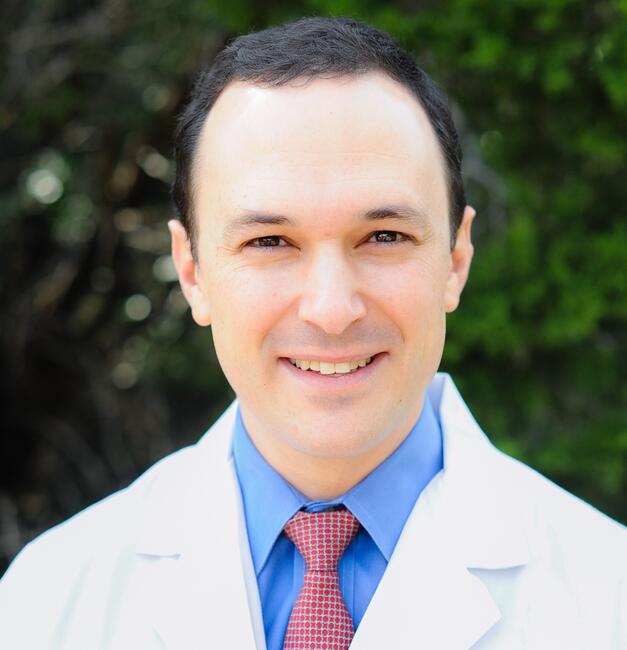
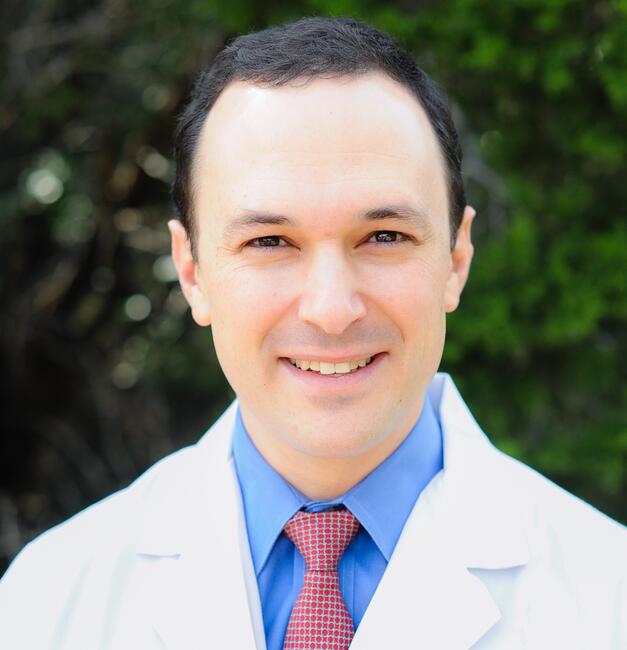
Andrew Huff is the president and executive director of the National Rosacea Society.
Reference
Mochizuki A, Osaka T, Fukuya Y, Yanagisawa N, Ishiguro N. Comparative analysis of the skin microbiota of rosacea, steroid-induced rosacea and perioral dermatitis. Exp Dermatol. 2025;34(3):e70084. doi:10.1111/exd.70084
Related Content