Metabolic Bariatric Surgery Linked to Psoriasis Improvement, With Response Varying by Procedure Type
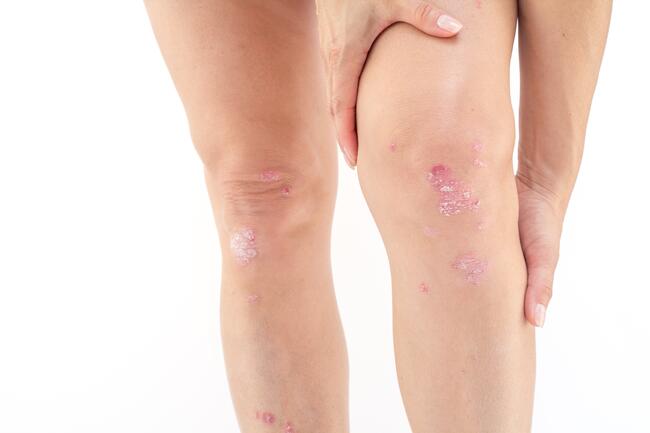
Metabolic bariatric surgery (MBS) was associated with improvements in psoriasis severity, quality of life, and treatment burden, according to a systematic review evaluating outcomes in patients with psoriasis and obesity. However, response varied by surgical approach and patient characteristics, underscoring the need for individualized counseling and further prospective data.
The review included 6 studies encompassing 447 patients with psoriasis who underwent MBS. Demographic data were available for 159 patients, with a mean age of 46.9 years and a mean baseline body mass index (BMI) of 43.8 kg/m². Across studies, the pooled reduction in BMI was 11.0 ± 3.3 kg/m². Psoriasis outcomes were assessed using the Psoriasis Area and Severity Index (PASI), percentage of affected body surface area (ABSA), nail involvement, Dermatology Life Quality Index (DLQI), and changes in treatment requirements.
Clinical improvements were observed across multiple measures. DLQI scores decreased from 14.9 to 5.0, indicating substantial quality-of-life improvement. PASI scores declined from 3.6 to 1.2, percentage of ABSA from 5.7 to 1.7, and nail involvement from 43.8% to 21.9%, with all changes reaching statistical significance. Overall, 69.5% of patients experienced improvement or remission, most often defined by reduced need for psoriasis treatment.
Treatment patterns shifted following surgery. Use of systemic therapies decreased from 53% at baseline to 34% postoperatively, whereas 29% of patients required no psoriasis treatment after MBS. Outcomes differed markedly by procedure type. Improvement or remission occurred in 80% of patients undergoing gastric bypass compared with 10% following non-bypass procedures. PASI reduction was also greater after bypass surgery.
The authors concluded that “MBS may improve psoriasis severity, quality of life, and treatment requirements,” but cautioned that “current evidence is uncertain.” They noted that “weight loss magnitude, type of MBS, and patient characteristics might affect clinical response of psoriasis.”
For dermatologists, the key takeaway is that significant weight loss—particularly following gastric bypass—may be associated with meaningful psoriasis improvement in select patients. However, given heterogeneity and limited data, MBS should not be viewed as a psoriasis-directed intervention. Instead, these findings support coordinated, individualized management of patients with psoriasis and obesity while awaiting more robust prospective studies.
Reference
Kehagias D, Lampropoulos C, Pellen M, et al. Psoriasis outcomes following metabolic bariatric surgery—a systematic review of the literature. BMC Surg. Published online January 12, 2026. doi:10.1186/s12893-026-03502-1