Psychometric Study Highlights Gender Differences and Psychological Burden in Psoriasis
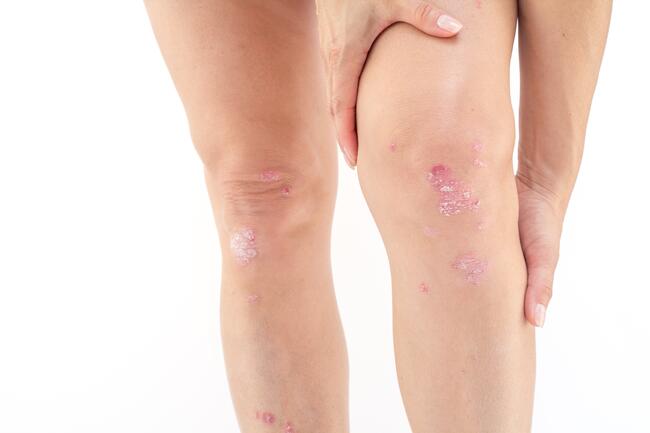
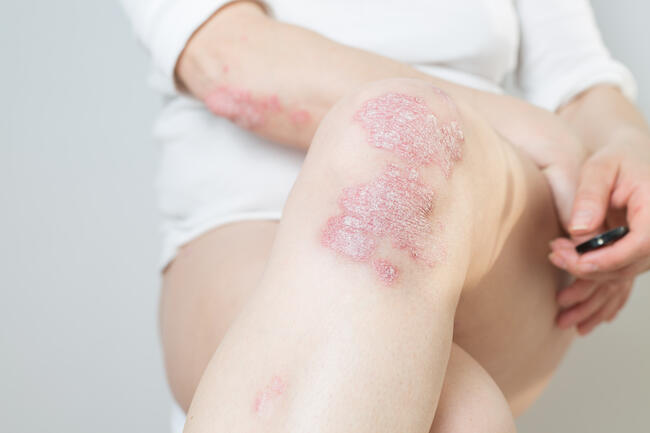
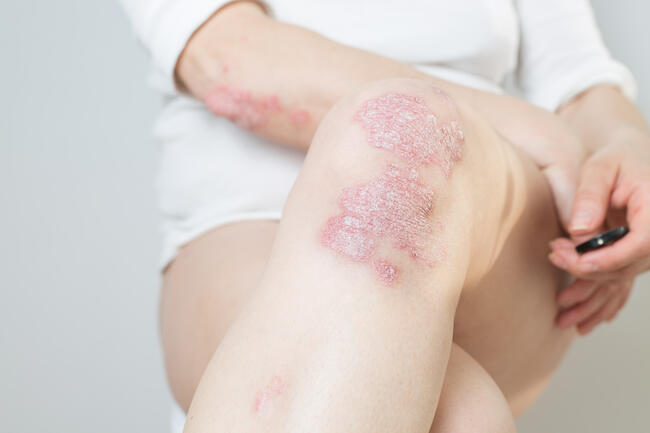
Psoriasis has a measurable psychological impact that extends beyond skin involvement, according to a psychometric study evaluating depression, personality traits, and behavioral factors in patients with the disease. The findings reinforce the need for dermatologists to address mental health alongside physical disease severity.
The study enrolled 71 patients with psoriasis and assessed disease severity using the Psoriasis Area and Severity Index. Psychological and behavioral outcomes were evaluated using multiple validated instruments, including the Beck Depression Inventory, the Brief Symptom Inventory (SCL-90), the Eysenck Personality Questionnaire, and the Psychometric Hostility and Direction of Hostility Questionnaire. Together, these tools were used to characterize depressive symptoms, personality traits, emotional distress, and behavioral responses.
Depressive symptoms were more prominent among female patients. Women with psoriasis had significantly higher scores on the Beck Depression Inventory compared with men (13.5 vs 7.9), as well as higher depression scores on the SCL-90 scale. These findings suggest a gender-specific vulnerability to mood disturbances in psoriasis, independent of disease severity.
Personality and social factors also emerged as relevant. Scores on the extroversion scale of the Eysenck Personality Questionnaire were significantly associated with patients’ psychiatric history and stable income, indicating that psychosocial context may influence how patients experience and cope with psoriasis. In addition, patients receiving systemic or topical treatment for psoriasis were more likely to respond positively to “lie” scale questions, a finding the authors interpreted as reflecting coping behaviors or social desirability bias in treated patients.
The investigators concluded that “psoriasis exerts a direct influence on the social daily life of the individual, at a functional and behavioral level.” They emphasized that “it is essential to address the psychological effects of psoriasis along with its physical aspects for better outcomes.”
For dermatologists, the key takeaway is that routine psoriasis care should include attention to mental health, particularly in female patients and those with known psychiatric history. Screening for depressive symptoms and psychosocial stressors may help identify patients who would benefit from integrated care or referral, supporting more comprehensive and patient-centered psoriasis management.
Reference
Kontoangelos K, Vavouli C, Daikidou I, et al. Psychometric evaluation of patients with psoriasis and their association with patients' psychological characteristics. Mediterr J Rheumatol. 2026;37(Suppl 1):92–99. doi:10.31138/mjr.030125.epr