Psychosocial Impact of Alopecia Areata in Pediatric Populations
© 2025 HMP Global. All Rights Reserved.
Any views and opinions expressed are those of the author(s) and/or participants and do not necessarily reflect the views, policy, or position of The Dermatologist or HMP Global, their employees, and affiliates.
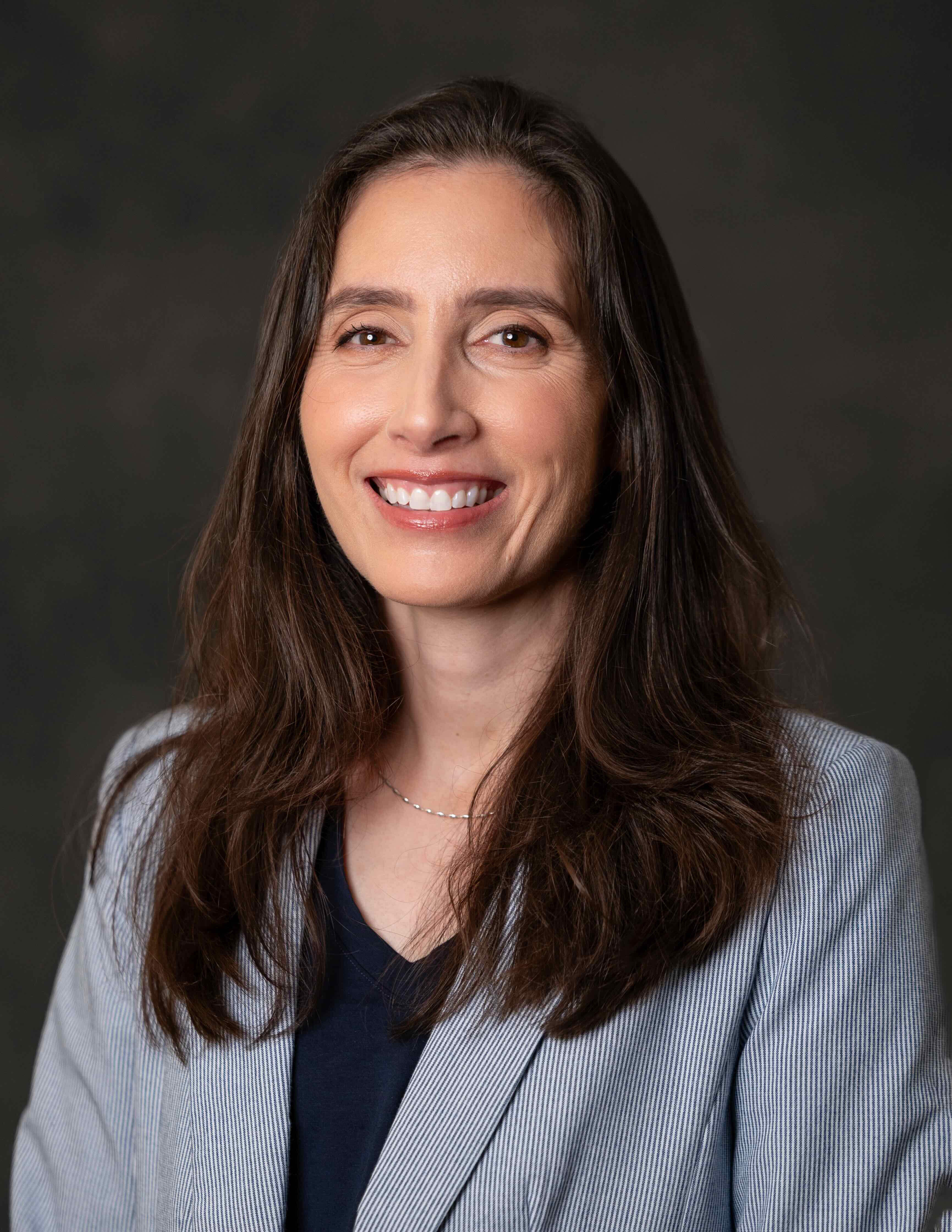
in Washington, DC.
Alopecia areata (AA) can present significant challenges for affected children and adolescents. Pediatric patients with AA often face anxiety, depression, and social challenges during key developmental stages due to the visibility of their hair loss. With limited ability to avoid peer environments such as school, these children are especially vulnerable to emotional distress. In this interview, Dr Leslie Castelo-Soccio explores the unique emotional and behavioral impacts of AA in children and adolescents, highlighting key indicators of psychosocial distress and outlining practical strategies to incorporate mental health assessment and support for pediatric patients with AA in the clinic.
The Dermatologist: How does AA uniquely affect the emotional and psychological well-being of children and adolescents?
Dr Castelo-Soccio: Children are constantly developing their sense of self, and at each stage of childhood and adolescence, new aspects of identity and self-perception emerge. When a child has a visible condition like AA, it can strongly shape not only how they see themselves but also how others perceive them. As a result, AA can profoundly affect a child’s emotional well-being. Research shows that children with AA experience higher rates of anxiety and depression.¹ Unlike adults, who may sometimes avoid social interactions, children and adolescents typically cannot. Most spend their days in school, where daily interactions with peers and teachers are unavoidable. In this setting, children with AA are particularly vulnerable to bullying and feelings of being different, with little ability to remove themselves from these challenging situations.
The Dermatologist: At what age do you typically see the greatest psychological impact in pediatric patients with AA and why?
Dr Castelo-Soccio: At each developmental stage, children experience unique psychosocial challenges. In AA, research shows that preteens and teens are often the most deeply affected emotionally, with a particularly heightened risk for anxiety and depression. This does not mean that younger children are spared from psycho-social difficulties. For example, those just beginning school may face new challenges as they encounter older peers on the bus, in the classroom, or during sports, where differences in appearance become more visible and socially significant.
The Dermatologist: What are some early signs that a child with AA may be struggling emotionally or socially?
Dr Castelo-Soccio: I make it a priority to check in regularly with my pediatric patients with AA. One of the key areas I focus on is participation in after-school activities. For instance, I ask whether they are continuing to engage in the activities they enjoy, such as dance, sports, or music. Stepping away from an activity can be a barometer for their emotional health.
Other social functioning also provides important clues. Missed school days, declining academic performance, conflicts with peers related to bullying, or episodes of emotional dysregulation at school or at home may all point to psychosocial distress. Often, children may cope well for a period of time, but then experience moments when the burden of AA becomes more difficult. These times may be marked by changes in behavior that are uncharacteristic for the child.

The Dermatologist: How can dermatologists effectively support the mental health of pediatric patients with AA during clinic visits?
Dr Castelo-Soccio: It is critically important to consider quality of life, including mental health, at every visit with pediatric patients who have AA. One simple tool I use is the Children’s Dermatology Life Quality Index (CDLQI), a 10-point survey that asks about everyday experiences, such as how their disease affects clothing choices, school participation, and family life. This survey is available in a picture-based format for young children and in a simple written version for older children. It serves as an initial screening tool to help identify whether a child may need additional mental health support.
Many clinics, including my own, integrate psychologists into visits. Following their dermatology visit, children may meet with a psychologist who can provide coping strategies, emotional support, and assessment to determine whether further intervention is needed.
Supporting children with AA also means supporting their families. Parents, caregivers, and even siblings can feel the impact of the disease. During visits, we provide parents with resources such as the National Alopecia Areata Foundation and other online support groups, recognizing that family well-being is central to helping children thrive.
The Dermatologist: Do you routinely collaborate with school counselors when managing pediatric AA cases?
Dr Castelo-Soccio: There are excellent resources available to support children with AA in the school setting. For example, specific publications can be shared with school counselors to help them understand AA and provide accurate information when questions arise from teachers, staff, or peers. Similarly, the Society for Pediatric Dermatology has developed materials for school nurses, ensuring they are prepared to support students with AA in a knowledgeable and sensitive way.
Another helpful tool is providing parents with templates for letters that can be sent, if they choose, to the families of classmates. These letters explain what AA is, clarify what it is not, and emphasize that it is not contagious. Such proactive communication can reduce misconceptions, minimize stigma, and foster a more supportive environment for the child.
The Dermatologist: How can families and caregivers be empowered to help children cope with the stigma and self-esteem issues linked to hair loss?
Dr Castelo-Soccio: Receiving a new diagnosis of AA can be overwhelming, and many families find that access to accurate information is empowering. Providing resources on available treatments and support groups is, therefore, an important first step. Families who have recently navigated this diagnosis can also serve as a valuable source of encouragement and guidance. For children, meeting peers with AA can be especially powerful, helping them recognize that they are not alone.
In recent years, the visibility of public figures, including athletes, actors, and social media influencers, who openly share their experiences with AA has also been inspiring. These examples can reassure children that AA does not define their future and that they, too, can pursue their goals and live fulfilling, successful lives.
Empowerment looks different for every family. For some, it may mean exploring options to change or enhance appearance, such as temporary eyebrow tattoos, specialized makeup techniques, wigs, or hats. For others, empowerment comes through participation in community events like awareness walks or races, or by supporting other families affected by AA. Ultimately, each child and family finds their own path, and our role as physicians is to offer them a range of options so they can choose what feels most meaningful and supportive.
The Dermatologist: Are there any recent studies or clinical initiatives addressing the psychological burden of AA in children that you find particularly promising?
Dr Castelo-Soccio: Several studies have highlighted the psycho-social burden of AA. Since I started my first AA clinic in 2010, there has been growing clinical research interest in this area, along with broader use of tools that measure quality of life and disease impact in children with AA.
One particularly compelling study on the stigma of visible disease included pediatric dermatologists from across the country.² In this study, children and caregivers completed quality-of-life surveys, while clinicians provided assessments of disease visibility and severity. The findings underscored that conditions such as AA, which significantly affect a child’s or adolescent’s appearance, also profoundly influence self-esteem and increase the stigma they experience from others. Knowing this burden exists raises the critical question: What initiatives are in place to address it?
Some clinics are fortunate to have integrated psychosocial support, such as collaborating psychologists or child life specialists, but these resources are not universally available. To bridge this gap, we must develop new initiatives for clinicians and families who lack access to in-person support. Online platforms, virtual counseling services, and accessible digital resources can play a pivotal role in ensuring that all children with AA, regardless of where they receive care, have access to the psychosocial support they need.
The Dermatologist: Are there any tips or insights you would like to share with your dermatology colleagues regarding the psychological impact of AA in the pediatric population?
Dr Castelo-Soccio: First, we must address psychosocial well-being during visits. I recognize that clinic time is limited, but there are validated quality-of-life tools for children that take only 1 to 2 minutes to complete. These can easily be administered by a medical assistant before the physician enters the room, giving us valuable insight during the visit. The key, however, is not just to screen but to have a plan in place to act on the results if concerns are identified.
Second, we need to integrate psychosocial impact into treatment decisions. If a therapy is not improving a child’s quality of life, then it may not be the right approach for that patient. For example, if conversations reveal that intralesional triamcinolone is causing significant anxiety or distress around visits, that burden may outweigh the clinical benefits, and we should reconsider the treatment plan.
In practice, clinicians can use tools like the CDLQI, available in both cartoon and written formats, to measure how AA is affecting daily life. While often used in research, it can be easily adapted for the clinic. This helps us shift the focus from solely evaluating hair regrowth to also asking: Is this treatment supporting the child’s emotional and mental well-being? If the answer is yes, the treatment can be continued. If not, we must talk with the child and caregiver about whether to adjust or pause therapy.
In my experience, some children need breaks from treatment, whether oral or topical, so they can focus on simply being kids, participating in school, and enjoying their activities. This flexibility is an important part of long-term, patient-centered care.
References
- Tan IJ, Jafferany M. Psychosocial impact of alopecia areata in pediatric and adolescent populations: a systematic review. J Paediatr Child Health. 2024;60(12):778-782. doi:10.1111/jpc.16678
- Paller AS, Rangel SM, Chamlin SL, et al. Stigmatization and mental health impact of chronic pediatric skin disorders. JAMA Dermatol. 2024;160(6):621-630. doi:10.1001/jamadermatol.2024.0594
Related Content