Challenges and Treatments in Alopecia Areata

At Dermatology Week 2025, Brett King, MD, PhD, presented an energizing overview of how far alopecia areata (AA) care has come, and where it is headed. In his session, “Alopecia Areata: Clinical Challenges and Emerging Treatments,” Dr King delivered what he called a “transformational update” on Janus kinase (JAK) inhibitors, patient selection, and long-term management strategies.
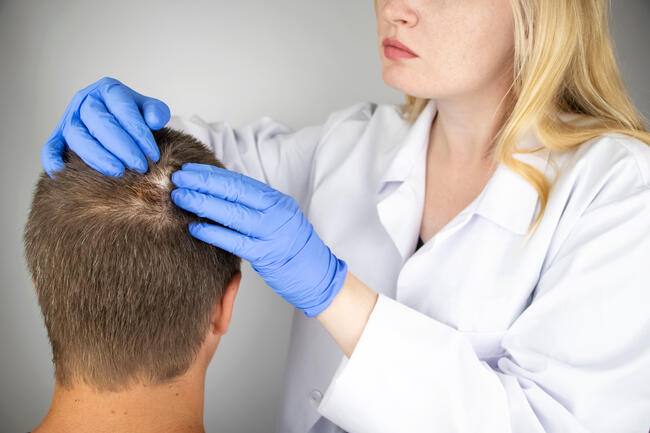
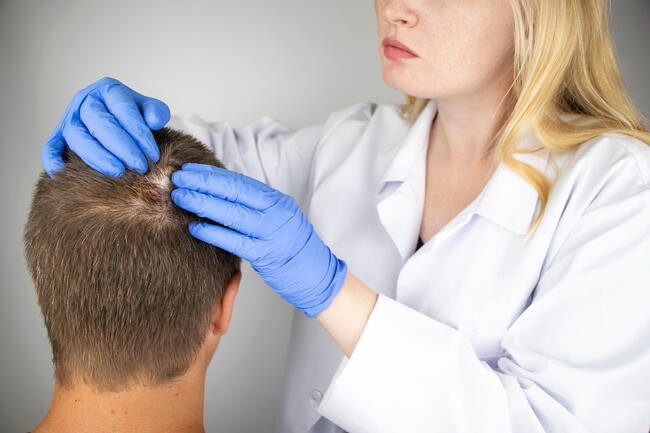
“We’ve come a long way in a really short amount of time,” he began, tracing the evolution from misunderstood autoimmunity to targeted treatment. His opening reminder? “All things that look like alopecia areata are not alopecia areata.” Dr King referenced data showing that 33% of patients referred to a trial site were misdiagnosed, highlighting the importance of confirming diagnosis before treatment begins.
From there, the talk zeroed in on JAK inhibition. Dr King reviewed results from major trials of baricitinib, ritlecitinib, and deuruxolitinib, emphasizing not just the response rates but also the timeline. “Scalp hair regrowth will not be achieved until after 1 year in some patients,” he noted. In clinical trials, patients with some baseline hair and a shorter duration of disease did markedly better—achieving up to a 60% success rate—compared with those with complete scalp hair loss and disease lasting over 3 years.
A key takeaway for dermatologists: Do not rush to judge efficacy. “Treat for at least 9 months before deciding to change JAK inhibitors,” Dr King said, citing late responders who gained benefit even after a year on therapy. He also addressed what happens when treatment stops or is tapered, warning that “hair loss may not occur for several weeks or more after stopping or lowering the dose too much, and once it begins, it can be brisk and severe.”
He encouraged clinicians to approach tapering with extreme care, recommending small, gradual reductions in dose every 4 months at minimum. Spontaneous remission, he reminded the audience, is rare in severe disease, and long-term treatment is often necessary.
To close the session, Dr King left attendees with a powerful reminder: “The data teaches us how to take care of our patients.” And in 2025, that means careful diagnosis, patient-centered timelines, and a steady hand on the tapering throttle.
For more meeting coverage, visit the Dermatology Week newsroom.
Maximize your experience by adding up to 90 days of on-demand access. Find the package that works for you. Upgrade here.
Reference
King B. Alopecia areata: clinical challenges and emerging treatments. Presented at: Dermatology Week; October 22–25, 2025; Virtual.