SDOH Interventions and Managed Care Performance: A Roadmap for Health Plans
Key Takeaways:
- Unmet basic needs such as social determinants of health (SDOH) impede medication adherence, chronic disease control, and appointment attendance, lowering performance on blood pressure control, diabetes A1c, kidney health evaluation, hypertension management, medication adherence (triple weighted), and all-plan readmissions measures.
- Interventions such as medically tailored meals, food delivery, transportation support, and closed-loop referrals stabilize clinical parameters, improve adherence, and strengthen visit completion when integrated into care-management workflows, resulting in measurable gains across Star Ratings.
- Interoperable infrastructure with real-time referral tracking and unified platforms reduces data silos, enhances coordination with community partners, and supports the timely, documented service delivery required for the Centers of Medicare & Medicaid Services (CMS) health-equity expectations and value-based performance.
Please introduce yourself by stating your name, title, and any relevant clinical experience you’d like to share.
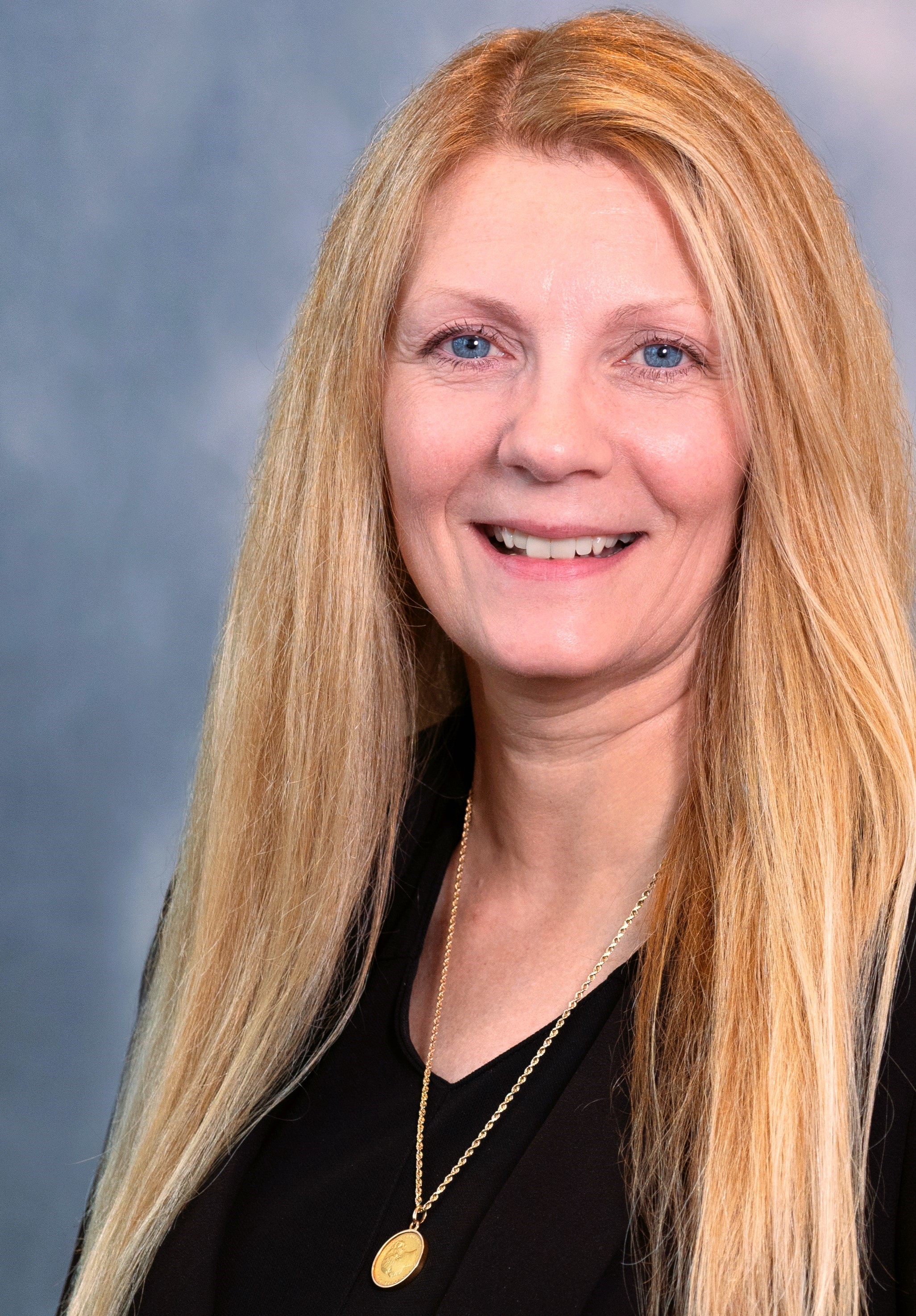
Karen Iapoce: My name is Karen Iapoce. I am a registered nurse, and I'm the VP of government solutions at ZeOmega. I have a history of running federally qualified health care centers and working in the Medicaid and the Medicare space, from managing provider organizations to heavily supporting health care plans.
 Many plans are still trying to draw a clear line between SDOH initiatives and measurable improvements in Star Ratings. Can you walk us through how addressing social needs—like housing or food insecurity—can directly translate into higher performance on specific Stars measures?
Iapoce: As a nurse, we always put our patients at the center of everything we do. Star Ratings and measurable improvements only matter when it reflects a better outcome for the individual or the population in which we serve. We're hoping that we're working from the inside out.
Many health plans are still trying to draw a clear line between SDOH initiatives and measurable improvements in those Star Ratings. Addressing social needs such as housing, food insecurity, food access, transportation, and social isolation tackles the foundation levels of Maslow's Hierarchy.
Psychosocial and safety requirements must be met before we can even talk to patients and individuals about higher-level behaviors like medication adherence, chronic disease management, and how that can be reliably achieved.
It's tough to hear a plan—and we have been hearing this often—acknowledge that the vast majority of the individuals they serve are homeless. This underscores the critical importance of social interventions. What's even harder to hear is that many members are facing a housing crisis—one we know needs to be fixed—but our plans' hands are to hide because the resources that they need are not available.
With all of these systemic challenges that impact all ages, all health care coverages, and even those without coverage, many Americans are just 1 paycheck away from poverty or SDOH.
Members who lack stable housing or adequate nutrition often struggle to store medications, even if they can afford those medications and have transportation, attend appointments, and follow complex care plans, which lead to poor control of those chronic conditions and higher avoidable readmissions. Addressing these basic needs and creating plans for the conditions to improve the health behavior translates into measurable gains on Stars measures, such as controlling blood pressure, diabetes care, medication adherence (which is triple weighted), and all-plan readmissions.
Food insecurity illustrates this principle clearly. Members without reliable access to nutritious food often experience unstable blood glucose or blood pressure, contributing to lower performance on the diabetes A1c control measure, kidney health evaluation, and hypertension management measures. Interventions such as medically tailored meals or food delivery programs stabilize these needs, improving clinical outcomes and, hopefully, leading to medication adherence. This is where systems or automations can help if a provider or a plan knows that the member needs these services. Instead of creating manual processes, we create a holistic automatic workflow, which eventually will impact Star measures.
Transportation barriers have a similar influence. There could be a member who doesn't have reliable transportation, so they miss those primary care visits, specialized appointments, and follow-ups. If they don't have transportation, they're going to go to the emergency room because they can call an ambulance and get a ride. However, we know that if we start to address transportation issues and get them to the appointments that they need, we have a medical service connected to a social service that's going to impact and improve measures.
Ultimately, addressing the social determinant of health meets members’ basic needs—that Hierarchy we were talking about—while creating the foundation for better health behaviors. Again, all of this wraps back to those Star measures and quality measures.
Plans that are integrating the SDOH screening, closed-loop referrals, and close connections with the community-based partners into their care workflows see a measurable improvement in adherence across the board with individuals that they're serving.
We need the infrastructure and the processes behind all of this to help us meet those requirements. From the outside, it might seem like it's pretty straightforward to address social determinants of health and impact quality measures. In reality, it's a complex system that relies heavily on active participants, as well as systems to support health plans, clinicians, community-based organizations, and the resources and finances to help drive better quality outcome measures.
What practical steps can plans take to integrate social determinants of health data into their existing care management workflows, especially to ensure clinicians, case managers, and community partners are aligned?
Iapoce: I will be super transparent here: this is a tough space for our clinicians, case managers, and community partners. Case managers are expected to navigate this complex system, as well as networks and partnerships that in the past were managed loosely and informally. Now, every interaction is increasingly being captured, sometimes across multiple systems on paper or in unstructured notes. Case managers are required to document all of these interactions with community partners and track the referral and its statuses, often without clear visibility into who the partners are, the services that they provide, or whether those entities can provide those services.
On the flip side, community-based organizations frequently lack the insight on what the plans are offering their members, the impact of their own services, and at times they're operating within a limited or a thin financial margin. Some of them are grant-dependent, so they need that funding to help run those services. This can be unpredictable.
Clinicians also feel that they are merely requesting a community service for their patients with little visibility on whether or not they've received those services. To integrate the SDOH data effectively into an existing care-managed workflow and align all of those parties, plans need to be centralized and have a transparent and actionable platform.
The platform should allow case managers to see, in real time, where those services have been requested, delivered, and completed. In other words, if a service has been requested—whether it's from the provider, the health plan, the member, or the community-based organization—they can see that as close to real time in its life cycle.
The community partners should also have the same exact visibility into the services requested by the plan, so the status of referrals and any feedback or outcomes to inform future interventions. By providing a clear, unified view for members' needs, referral status, and service impact, plans can eliminate guesswork, strengthen accountability, and ensure that interventions are timely, measurable, and aligned across all parties.
No one should be guessing about whether or not the member has received the service. The member shouldn't be guessing when they are going to get the service. They should be able to see that a referral has been created, picked up, approved, and received.
One of the biggest hurdles for health plans is collecting and acting on high-quality SDOH data. How can organizations overcome barriers like data silos or lack of community resource coordination to make these programs sustainable?
Iapoce: One of the biggest hurdles for health plans is implementing an effective SDOH program. There are requirements across the board based on the states they're in, who requests what information, and how it gets back to the health plan. They have to act on the high-quality, actionable data that's coming in.
However, the data lives in silos: in electronic health records, care management systems, claims, and community-based organizations. Many of these folks may not have the infrastructures and resources to share the information consistently. This fragmentation in and of itself makes it difficult to understand a member's holistic needs.
It's also difficult for the interventions to be tracked to measure those outcomes. A critical principle in overcoming these barriers is, first and foremost, respecting the member's voice and minimizing repetitive burden. We're asking the same individual the same questions over and over again. It breaks down the barrier of trust. If a trusted provider is already documenting that a member is experiencing some hunger or another social need, there is no reason to ask the same question again.
The system should be integrated so that the member's consent and information is captured once and triggers the appropriate referral automatically. Think about how powerful that would be. I am at my provider's office. They're talking to me about having an MRI of my knee. My provider already knows that I am transportation insecure. My provider places a referral for me to have an MRI of my knee at the same exact time through the health plan. My provider is also requesting that I have transportation, knowing that the likelihood for me to engage and get the services that I need is dependent on receiving transportation. Holistically, that would be occurring, and you would have the ability to track all of that information. That is breaking down a silo.
Another major hurdle is connecting our health plans to our community-based organizations. Many community-based organizations are operating at capacity, and they cannot immediately meet the referrals or the service requests. Plans often lack the visibility into these delays in real time, leaving care teams unaware of whether a member has received the needed support. This creates gaps in care, duplicate outreach, and frustration for both the member and the provider.
Addressing these issues will require a comprehensive closed-loop referral workflow. I know we've all heard about closed loop, but tightening that up so that, once again, everyone has visibility with real-time or near real-time tracking.
Community-based organizations may know more about the patient than the health plan and the provider. Allowing information to flow very seamlessly from a community-based organization into a health plan can be extremely powerful for the health plan and can actually help identify potential risks for your member before they happen.
Even with multiple systems in place, plans need to lean on interoperability. We know that true interoperability remains a challenge. If the big players in health care could come to the table and do some meaningful integration, we can break down those silos. Care teams must navigate fragmented workflows today.
Community-based organizations lack the visibility of the service that's being requested. Members experience frustration because they don't know where that request is in its life cycle. To overturn these barriers, organizations must prioritize interoperability.
We're working from the same information. The challenge is the investments in analytics and predictive modeling. This will help our plans identify high-risk members, prioritize interventions, and measure the impact over time.
By combining interoperability systems, standardized workflow, data-driven decision making, and strong community partnerships, plans can transform their social determinants of health programs from fragmented pilots into sustainable member-centered initiatives that improve outcomes.
As the Centers for Medicare & Medicaid Services (CMS) continues to emphasize health equity and whole-person care, how do you see the role of SDOH evolving in value-based models, and what should plans be doing now to stay ahead?
Iapoce: We know that as CMS continues to advance health equity and whole-person care, even with the evolving changes and uncertainty, plans recognize the importance of making sure that they are addressing SDOH.
We know that social determinants of health initiatives are shifting to a core performance driver in value-based care. We're going to see over the next several years that social determinants of health interventions will be increasingly tied to payment incentives, quality measures, and regulatory expectations.
CMS is already signaling this through their health equity index, scoring, and growing emphasis on care coordination for the complex population. As value-based arrangements evolve, plans will be expected to not only identify social needs, but also to demonstrate the closed-loop referral, measurable outcomes, and reduction in avoidable utilization tied directly to those social interventions.
To stay ahead, plans should operationalize a structured approach in screening, documenting, and addressing social needs. This includes building a comprehensive social determinants of health assessment into their care management workflows and integrating that into that community-based organizations for real-time referral networks.
Investing in data capabilities is essential. Plans should consolidate member- and community-level insights. Try to get everything in one place to take a comprehensive look. Plans should also design reimbursement models with incentives to providers to engage in the social care, including billing for new community-based services and using Z codes effectively.
The regulators are moving beyond counting referrals, and this is something really important to keep in mind. They expect proof of service delivery, measurable impact on the outcome, and reduction in disparity over time. When you placed that referral, did you know that the member received those services? What was the impact, and what was the outcome? Plans that standardize these insights, track the referrals, and monitor the improvement in areas such as medication adherence, readmission, preventative screening, and engagement will gain a significant advantage over the evolving CMS methodologies.
A pilot should begin now. Plans should start looking at some pilots for some targeted populations, such as dual members, high-risk seniors, or homeless patients, and start to look for demonstrating early impact so that plans can position themselves to scale quickly as new value-based expectations formalize.
SDOH initiatives are no longer an adjunct; they’re a performance imperative. We've known this for years. The struggle is that plans need to integrate this social care into their clinical infrastructure. They need to support that data, have payment alignment, and have very strong community partnerships. This will only improve the equity outcome but also gain competitive advantage.
Most importantly, it's going to provide positive outcomes for the individuals in which you serve. In reality, it's far more complex than it appears on paper. Most plans rely on those community-based organizations that vary widely in capacity funding, data maturity, and operational consistency, and that is creating a fragmented infrastructure that makes the closed-loop referrals difficult to track.
Reimbursement pathways, while expanding through the CMS initiatives such as supplemental benefits and community service billing, remain evolving and are always changing, requiring plans to invest ahead of time. SDOH information exist across many complex systems that do not have interoperability.
Measuring the impact presents another additional hurdle. As we discussed a little bit earlier, the causal link between interventions, such as improving food access and outcomes like A1c, unfolds slowly over time. You're not going to see your return on investment immediately.
It's also influenced by many variables, making attribution and reporting difficult. It's not a one-to-one. Workforce burden increases as care managers, service coordinators, and social workers are expected to screen, document, refer, follow up, and collect social outcome data alongside their existing responsibilities. Case managers are carrying a heavy caseload to begin with, and we have to recognize that.
Network limitations further complicate these matters. Many regions lack adequate housing, transportation, behavioral health, and culturally aligned support services, leaving plans unable to refer members to resources. Member engagement is equally as challenging, as individuals experiencing food insecurity or homelessness often face a lower digital access. They have less trust in the system and there's greater instability, making adherence and outreach difficult.
Despite all these barriers, plans remain accountable. Plans are responding to CMS by building those closed-loop referral networks. They are keeping everything as integrated as they possibly can on 1 platform, using predictive analytics to prioritize members based on social risk, funding infrastructure directly within community-based organizations, and embedding SDOH initiatives into clinical workflow and tracking those delivery outcomes and disparities.
These organizations are treating social needs as clinical risk drivers. They're looking at them completely different. They're positioning themselves for success in the evolving value-based care space. But the bottom line here is that health plans are being asked to solve complex population health infrastructure issues while simultaneously reporting improvement tied to equity, and that's tough space to be.
It is also one of the hardest operational challenges in health care today. The expectations are rising faster than the reimbursement in the community capacity. They are one portion of this whole holistic system, and they can only do their very best to meet the requirements, but they are also dependent on other forces outside of their 4 walls.