











Skin Deep, Heart Heavy: Connecting Psoriatic Disease to Cardiovascular Risk
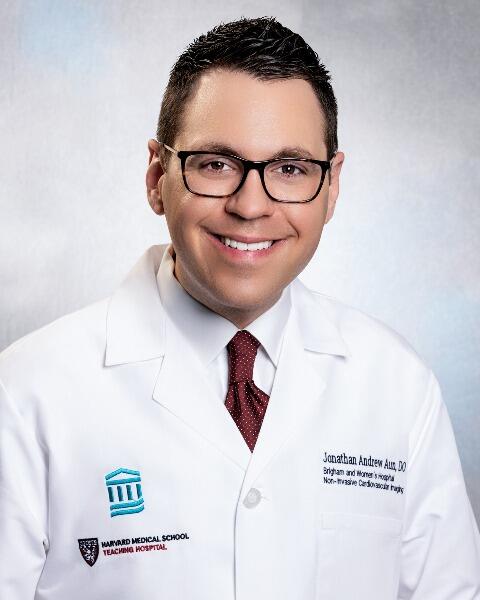
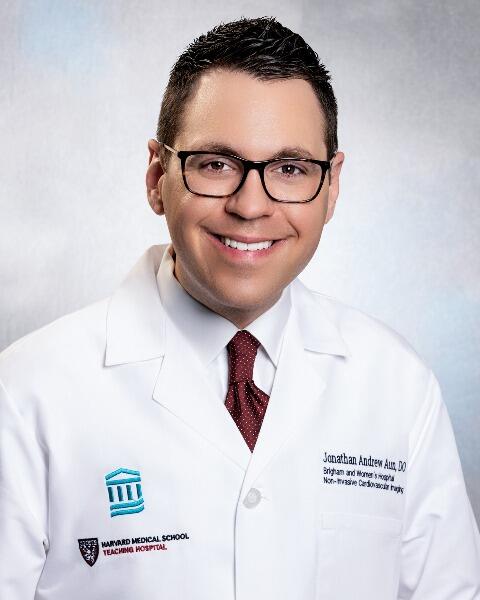
At the Masterclasses in Dermatology APP Institute, Jonathan Aun, DO, FACC, FACP, delivered a powerful reminder that psoriatic disease is more than skin deep. In his session, “Psoriatic Disease: Cardiovascular Co-Morbidities,” Dr Aun made a strong case for why dermatology providers must start thinking more like cardiologists when it comes to risk screening.
“We’re called now from awareness to action,” Dr Aun said.
Psoriasis affects up to 3% of the US population, and nearly one-third of those patients develop psoriatic arthritis. But what is less visible, and often underestimated, is the significantly higher risk of atherosclerotic cardiovascular disease (ASCVD) that these patients carry. According to Dr Aun, patients with moderate-to-severe psoriasis have a 25% to 50% increased risk of ASCVD and a >40% higher risk of cardiovascular death.
He walked attendees through the latest data linking skin inflammation to endothelial injury, arterial stiffness, and thrombo-inflammatory activity, largely driven by pathways like IL-23, tumor necrosis factor (TNF), and Th17. Obesity, hypertension, diabetes, and liver disease often cluster in psoriatic patients, yet remain undertreated.
“Younger patients are having earlier cardiovascular events,” he warned.
Dr Aun also introduced a 5-minute cardiovascular screening workflow tailored for dermatology clinics. The protocol includes blood pressure checks, body mass index, tobacco status, basic labs, and lipid screening, including lipoprotein(a), along with risk stratification using tools like Pooled Cohort Equations and coronary artery calcium scoring.
One of the most compelling updates? Emerging data suggesting that biologics, particularly IL-17, IL-23, and TNF inhibitors, may reduce cardiovascular events compared to oral systemic agents. Although randomized trial data are still needed, the observational evidence is growing.
Psoriasis is a cardiovascular risk enhancer, and it is time for dermatology to help connect the dots.
“Pair guideline-directed prevention with skin control,” Dr Aun said. “And loop in cardiology for your high-risk patients.”
For dermatology providers ready to think beyond the plaque and build bridges to preventive care, this session offered both a wake-up call and a practical roadmap.
Reference
Aun J. Psoriatic disease: cardiovascular co-morbidities. Presented at: Masterclasses in Dermatology APP Institute; October 11–12, 2025; Dallas, TX.
© 2025 HMP Global. All Rights Reserved.
Any views and opinions expressed are those of the author(s) and/or participants and do not necessarily reflect the views, policy, or position of The Dermatologist or HMP Global, their employees, and affiliates.
Related Content



Where Dermatology NPs and PAs Learn, Lead, and Level Up.
The Derm NP/PA is dedicated to educating and informing advanced practice providers on clinical topics and practical issues to support the profession and improve the quality of patient care across the spectrum of dermatology.
The Derm NP/PA is designed for advanced practice providers who specialize in dermatology to further their education and increase their knowledge to achieve better patient outcomes. Explore cutting-edge research, innovative treatment options, and new therapeutic methods while remaining focused on the fundamental principles and terminology associated with dermatology. Engage year-round with The Derm NP/PA to access clinical insights, interactive features, research news updates, accredited continuing-education programs, and more.






