











New Insights and Treatments for Itch and Prurigo
At the Masterclasses in Dermatology APP Institute, David Rosmarin, MD, delivered an engaging and practical session titled “Itch and Prurigo: A New Era in Treatments.” For dermatology providers managing patients frustrated by chronic itch, Dr Rosmarin offered an updated roadmap grounded in both science and empathy.
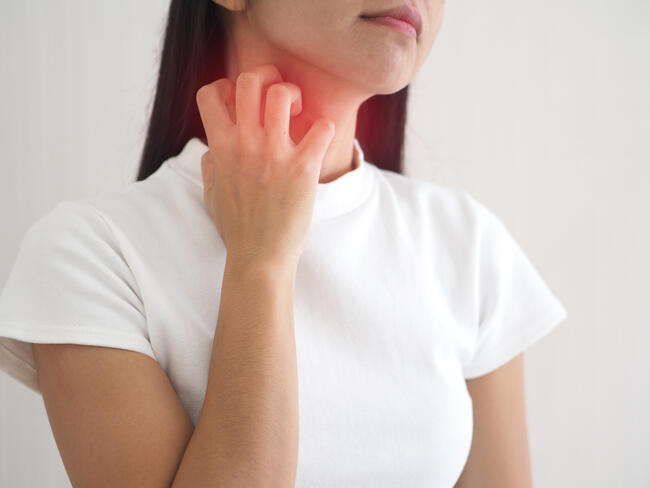
“Itch is an ‘uncomfortable sensation that provokes a desire to scratch,’” he explained, walking attendees through the categories of itch: pruriceptive, neuropathic, neurogenic, and psychogenic.
He emphasized the importance of asking about itch intensity at every visit: “How itchy at worst on a scale of 0 to 10 in the past 24 hours?” This is a question that “takes 10 seconds and [is] highly valuable.”
Dr Rosmarin outlined a stepwise algorithm for evaluating chronic pruritus, starting with dermatologic causes, then expanding to systemic or neurologic conditions when no eruption is visible. Common culprits include atopic dermatitis, kidney disease, malignancy, and polycythemia vera, but he cautioned not to overlook conditions like brachioradial pruritus or notalgia paresthetica for localized neuropathic itch.
“Chronic pruritus reduces quality of life and can be debilitating,” he said, noting that it is more common in women and increases with age.
Dr Rosmarin covered both histaminergic and nonhistaminergic pathways, stressing that traditional antihistamines often fall short for nonskin-related or cytokine-driven itch. He detailed newer therapeutic targets, such as IL-4, IL-13, IL-31, and TSLP, which signal through JAK1, and shared impressive efficacy data for newer agents.
For urticaria, he recommended omalizumab and dupilumab, with 71% and 63% itch reduction at week 12 in respective studies. Meanwhile, remibrutinib, a Bruton tyrosine kinase inhibitor, shows promise even when IgE levels are irrelevant.
For prurigo nodularis, Dr Rosmarin spotlighted dupilumab and nemolizumab, with the latter achieving a “56% improvement in Worst Itch Numerical Rating Scale vs 21% for placebo” at 16 weeks, and over one-third reaching Investigator’s Global Assessment 0/1 by week 16.
With a thoughtful approach to differential diagnosis and an expanding toolkit of therapies, APPs can confidently tackle the complex, and often overlooked, world of chronic itch.
Reference
Rosmarin D. Itch and prurigo: a new era in treatments. Presented at: Masterclasses in Dermatology APP Institute; October 11–12, 2025; Dallas, TX.
© 2025 HMP Global. All Rights Reserved.
Any views and opinions expressed are those of the author(s) and/or participants and do not necessarily reflect the views, policy, or position of The Dermatologist or HMP Global, their employees, and affiliates.
Related Content


Where Dermatology NPs and PAs Learn, Lead, and Level Up.
The Derm NP/PA is dedicated to educating and informing advanced practice providers on clinical topics and practical issues to support the profession and improve the quality of patient care across the spectrum of dermatology.
The Derm NP/PA is designed for advanced practice providers who specialize in dermatology to further their education and increase their knowledge to achieve better patient outcomes. Explore cutting-edge research, innovative treatment options, and new therapeutic methods while remaining focused on the fundamental principles and terminology associated with dermatology. Engage year-round with The Derm NP/PA to access clinical insights, interactive features, research news updates, accredited continuing-education programs, and more.






