











Breakthroughs, Biologics, and Bold Updates in Hidradenitis Suppurativa
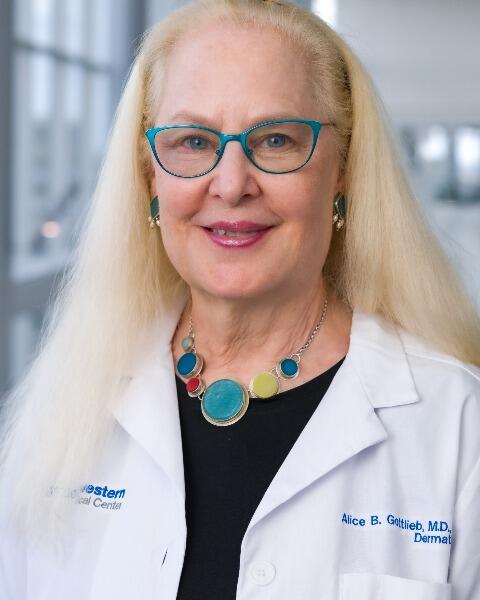
On the second day of the Masterclasses in Dermatology APP Institute, Alice Gottlieb, MD, PhD, offered APPs a fast-paced and forward-looking journey through the evolving landscape in hidradenitis suppurativa (HS) care.
“Current standard treatments are not very effective,” Dr Gottlieb stated, pointing to lingering gaps in pain control, tunnel formation, and scarring. “We need to improve quality of life of patients.”
With her signature clarity, she walked attendees through the latest trial data and therapeutic targets reshaping the HS treatment paradigm.
Dr Gottlieb outlined how IL-17 inhibitors are gaining traction in HS, noting updates on secukinumab and bimekizumab, both of which are being studied for their efficacy and novel dosing regimens. For patients needing weight-based infusions, infliximab remains a useful off-label option. “It’s off-label use, but I think this is the most effective treatment so far,” Dr Gottlieb indicated.
The real buzz, however, came from nanobody therapies like sonelokimab, which Dr Gottlieb highlighted as one of the most promising new agents on the horizon.
“Sonelokimab met the primary endpoint of HiSCR75 [Hidradenitis Suppurativa Clinical Response] at week 12,” she noted, citing the phase 2 MIRA study. Its small size (~40 kDa) compared to conventional monoclonal antibodies (~150 kDa) may allow for better tissue penetration in complex HS lesions. “There’s a lot of room for improvement.”
Janus kinase inhibitors were another major focus. Upadacitinib and investigational povorcitinib are showing results. “The data are decent, but they’re not as good as biologics.” In the STOP-HS1 and STOP-HS2 trials, povorcitinib achieved HiSCR50 and HiSCR75, with notable reductions in pain and draining tunnels by week 24.
“The number one concern for HS is pain, just like for eczema, is itch.”
As for dual-targeted biologics, brivekimig, a bispecific nanobody targeting tumor necrosis factor and OX40L, showed rapid clinical benefit. “The HS-OBTAIN trial achieved its primary objective,” Dr Gottlieb reported, positioning it as a potential game-changer for patients with moderate-to-severe disease. “This is a new kid on the block, but this is still in the phase 2 study,” she said. “I’m excited to see how it performs in phase 3 trials.”
While access and insurance barriers remain, Dr Gottlieb hinted at additional tools on the horizon, including glucagon-like peptide-1 receptor agonists and new immunologic targets.
With over a dozen novel agents in development and a growing understanding of HS pathophysiology, her session underscored what is next: a more personalized, more hopeful future for patients living with one of dermatology’s most challenging diseases.
Reference
Gottlieb A. Hidradenitis suppurative treatment updates. Presented at: Masterclasses in Dermatology APP Institute; October 11–12, 2025; Dallas, TX.
© 2025 HMP Global. All Rights Reserved.
Any views and opinions expressed are those of the author(s) and/or participants and do not necessarily reflect the views, policy, or position of The Dermatologist or HMP Global, their employees, and affiliates.
Related Content




Where Dermatology NPs and PAs Learn, Lead, and Level Up.
The Derm NP/PA is dedicated to educating and informing advanced practice providers on clinical topics and practical issues to support the profession and improve the quality of patient care across the spectrum of dermatology.
The Derm NP/PA is designed for advanced practice providers who specialize in dermatology to further their education and increase their knowledge to achieve better patient outcomes. Explore cutting-edge research, innovative treatment options, and new therapeutic methods while remaining focused on the fundamental principles and terminology associated with dermatology. Engage year-round with The Derm NP/PA to access clinical insights, interactive features, research news updates, accredited continuing-education programs, and more.






