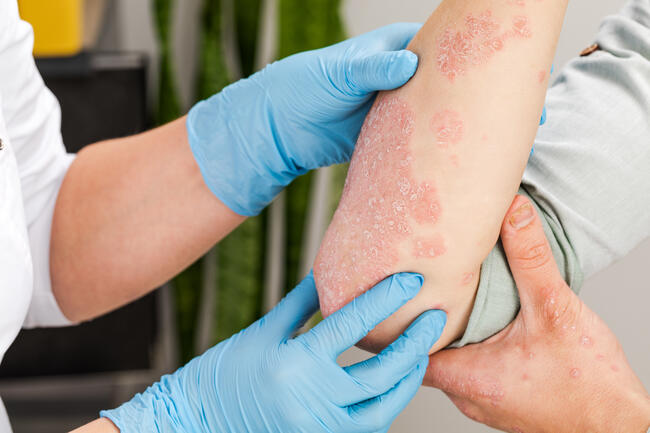
Forward Focus: Top Trends in Dermatology for 2026
Dermatology is being reshaped by 2 powerful and converging advances. First, effective targeted therapies are emerging for diseases that historically had few or no approved treatment options. Conditions such as cutaneous lupus, dermatomyositis, and hidradenitis suppurativa (HS), long defined by therapeutic scarcity, are now entering an era of credible pipelines and meaningful clinical choice. Second, expectations for treatment success are rising. Partial improvement is no longer the implicit endpoint. Instead, clinicians and patients are increasingly focused on achieving deeper and more durable disease control, including sustained low disease activity and, in some cases, remission.
This evolution is driven by the maturation of targeted therapies capable of delivering more robust and lasting responses, alongside growing recognition that earlier and more effective intervention may influence long-term disease trajectories. As a result, comorbidities such as metabolic disease, cardiovascular risk, and musculoskeletal involvement are moving from the periphery of dermatologic care into the center of therapeutic decision-making. The goal is no longer limited to improving visible skin findings, but rather to address inflammatory disease in a way that meaningfully improves overall health and quality of life.
Innovation in dermatology is also extending beyond drug development. Advances in clinical trial design, outcome measurement, and access are reshaping how evidence is generated and how therapies reach patients. Emphasis on inclusive trial populations, patient-relevant endpoints, and real-world applicability is strengthening the connection between research and practice. Parallel progress in digital tools, imaging, and patient-reported outcomes is making it possible to define, monitor, and act on higher treatment goals with greater precision.
In this conversation, Dr Joseph Merola and Dr Alice Gottlieb explore how these trends are redefining dermatology in 2026, including actionable definitions of low disease activity and remission, evolving strategies in psoriatic disease and connective tissue disease, and innovations in clinical trials, access, and outcome measurement that will shape the next phase of care.
WHY 2026 FEELS DIFFERENT
The Dermatologist: Dermatology has always evolved, but 2026 feels like a turning point. Why?
Dr Merola: The biggest change is that we are raising expectations in a more holistic way. We are increasingly focused on achieving deeper efficacy that is durable, measurable, and meaningful, while also treating comorbidities as part of the same therapeutic strategy rather than parallel problems. The low disease activity and remission movement is giving us a shared language and practical targets, and it is pushing the field to act earlier and adjust sooner instead of tolerating persistent, low-grade disease activity.
This change is possible because targeted therapies can now deliver deeper and more meaningful clinical responses. It is also driven by a broader perspective on disease. We are paying closer attention to comorbidities, long-term outcomes, and whether intervening earlier can alter disease trajectory. This is particularly relevant in psoriatic disease and connective tissue disease, where systemic inflammation extends beyond the skin. At the same time, advances in measurement are giving us better tools to define and track these higher goals in both clinical care and trials.
Dr Gottlieb: Another reason 2026 feels different is that the field is more openly confronting gaps in representation and access. These issues can no longer be treated as secondary considerations. They must be integrated into trial design, endpoint selection, recruitment strategies, and ultimately into how therapies are delivered in real-world practice. Scientific progress is only meaningful if it reaches the patients who need it.
LOW DISEASE ACTIVITY AND REMISSION: FROM ASPIRATIONAL TO ACTIONABLE
The Dermatologist: How should dermatologists be thinking about low disease activity and remission across inflammatory skin diseases in 2026?
Dr Merola: What feels meaningfully different is that we are moving from aspirational language to definitions that can be applied consistently in both trials and clinical care. Other specialties have shown that defining low disease activity and remission can drive innovation, align expectations, and shift treatment decisions toward truly meaningful control.
In psoriasis, the National Psoriasis Foundation has published an on-treatment remission definition. In atopic dermatitis, work completed through the International Eczema Council has established low disease activity and remission definitions that will be presented at the 2026 American Academy of Dermatology Annual Meeting. These efforts matter because they change what we demand of therapies, how we define success, and how we communicate goals with patients.
Clear definitions also reinforce earlier and more thoughtful treatment adjustment. When goals are explicit, prolonged periods of partial response become less acceptable. This creates space to consider durability, impact on comorbidities, and the possibility that earlier intervention may influence long-term outcomes.
The Dermatologist: What gaps remain between regulatory endpoints and real-world care?
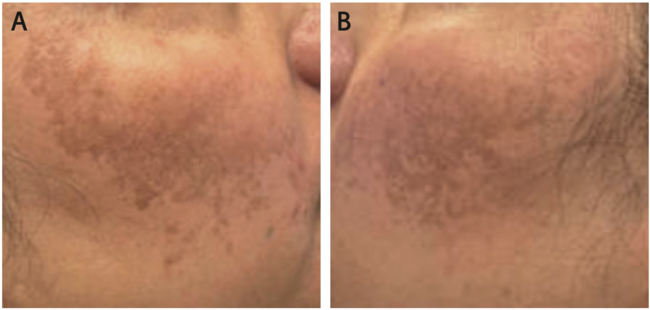
Dr Gottlieb: Several gaps persist. Key populations are often underrepresented early in drug development when domains and endpoints are selected. If patients with skin of color, older adults, or individuals with significant comorbidities are not adequately included, important outcomes may be overlooked. Post-inflammatory pigmentary change, functional impact, and patient satisfaction are common examples.
We also need more comparative studies, better data in patients who have failed multiple therapies, and stronger evidence around combination approaches. As effective therapies become available, placebo-controlled designs are increasingly difficult to justify, and trial designs must evolve accordingly. In some diseases, we also need to raise the bar for what we consider clinically meaningful efficacy.
PSORIATIC ARTHRITIS IN THE DERMATOLOGY CLINIC
The Dermatologist: Why is early diagnosis of psoriatic arthritis so important?
Dr Gottlieb: Delayed diagnosis can result in irreversible joint damage, functional limitation, and reduced quality of life. Dermatologists see most patients with psoriasis and often see them earlier and more frequently than other specialists, yet psoriatic arthritis remains underdiagnosed. Early identification and referral can preserve function and improve long-term outcomes.
Screening tools embedded into routine workflows can help identify patients at risk and facilitate timely referral. The goal is not to replace rheumatology, but to ensure that patients reach appropriate care earlier in the disease course.
The Dermatologist: What practical steps can dermatologists implement today?
Dr Merola: Consistency is key. Routine screening with validated patient-reported instruments should be standardized. When a screen is positive, referral pathways should be clear and efficient. Shared care models, whether formal combined clinics or structured referral agreements, support alignment and continuity.
Treatment goals should also be shared. Low disease activity across both skin and musculoskeletal domains should be the objective. Persistent activity in either domain should prompt reassessment.
We are entering a period where combination therapy warrants serious consideration. Exciting trials, such as TOGETHER-PsA evaluating ixekizumab in combination with tirzepatide, reflect growing interest in targeting inflammatory disease and metabolic comorbidity simultaneously. GLP-1 agents are particularly compelling, not only for their effects on weight, diabetes, and cardiovascular risk, but also for their potential to directly influence inflammatory disease activity and synergize with biologic therapy.
AUTOIMMUNE SKIN DISEASE: A FOCUS ON CUTANEOUS LUPUS
The Dermatologist: What developments in cutaneous lupus should dermatologists be excited about?
Dr Merola: This is one of the most rapidly evolving areas in inflammatory dermatology. For many years, cutaneous lupus lacked both effective and safe/tolerable therapies and a clear regulatory pathway. That landscape is changing.
There is now a credible, multi-mechanism pipeline. Exciting agents such as litifilimab, which targets BDCA2 and plasmacytoid dendritic cells, are in phase 3. Subcutaneous anifrolumab is also being evaluated in phase 3 trials for cutaneous lupus. Additional approaches include enpatoran, a TLR7/9 antagonist, along with other targeted strategies in development.
These advances position dermatologists to take a more central role in managing cutaneous connective tissue disease while continuing to screen for systemic involvement and coordinate care with rheumatology. For the first time, cutaneous lupus and dermatomyositis are moving beyond a limited options framework toward one defined by choice and sequencing.
EXPANDING ACCESS AND REPRESENTATION
The Dermatologist: Where does dermatology stand on access and representation?
Dr Gottlieb: Progress has been made, but gaps remain. Inclusion must begin early in development. Many real-world datasets disproportionately reflect commercially insured populations. Trial participation is often limited by practical barriers, such as language, transportation, and visit burden.
Policy and system-level factors also influence access. Issues related to insurance design, pharmacy benefit management, and affordability directly shape whether patients can receive effective therapy. Addressing these challenges requires sustained advocacy.
The Dermatologist: How can inclusion be operationalized?
Dr Merola: Inclusion must be built into infrastructure. Partnering with clinics that serve lower-resource populations, bringing trials to existing care settings, and using shared support models can reduce barriers. Hybrid and remote trial designs, flexible visit schedules, and patient-generated data collection can further expand participation.
Clinically, proactive access discussions are essential. If low disease activity and remission are our goals, we must address the barriers that prevent patients from reaching them.
MEASUREMENT, TECHNOLOGY, AND MONITORING
The Dermatologist: How will measurement evolve?
Dr Merola: Measurement is becoming more precise and longitudinal. Digital imaging, patient-generated data, and emerging imaging modalities can complement traditional physician-reported scores. When validated appropriately, these tools can improve sensitivity to change and better capture disease behavior over time.
The Dermatologist: You have spoken about handheld ultrasound as an emerging tool. How does ultrasound fit into dermatology in 2026?
Dr Gottlieb: Ultrasound has the potential to have an outsized impact in dermatology because it adds real-time visualization to settings where we have historically relied on inspection and palpation alone. In cosmetic dermatology, ultrasound can improve outcomes and reduce complications by helping clinicians visualize anatomy, including vascular structures, during procedures. A practical example is filler injection, where ultrasound can help identify vessels and reduce the risk of vascular compromise. It can also assist with assessment of previously placed fillers and guide safer procedural planning.
In medical dermatology, the applications may be even more transformative in conditions like HS. Ultrasound can improve detection of subclinical disease, evaluate inflammatory activity, refine severity assessment and staging, and guide procedural interventions by clarifying tunnel extent and anatomy. This has implications not only for clinical care, but also for clinical trials, where ultrasound could add objectivity, improve patient stratification, and strengthen measurement of treatment response over time.
Ultrasound may also contribute to earlier detection of psoriatic arthritis risk in patients with psoriasis. The International Dermatology Outcome Measures organization has been working for some time on improving how we identify and measure musculoskeletal involvement in ways that are feasible and meaningful. Ultrasound does not replace clinical judgment or rheumatology evaluation, but it can sharpen screening and support earlier recognition of inflammatory signals that matter.
CONVENIENCE, FLEXIBILITY, PEDIATRICS, AND AFFORDABILITY
The Dermatologist: What stands out beyond efficacy?
Dr Merola: Convenience is increasingly central to effective care. Dosing flexibility, extended interval regimens, and emerging oral targeted peptides expand options for patients and support adherence. These advances are particularly meaningful in diseases that are only now entering the targeted therapy era, including cutaneous lupus and dermatomyositis. Practical feasibility is not a secondary issue; it directly shapes persistence, real-world effectiveness, and the ability to sustain low disease activity over time.
Dr Gottlieb: Pediatrics is a major part of this story, and we are seeing meaningful progress. Recent pediatric approvals across inflammatory skin disease have expanded options that were previously limited, and emerging adolescent data for newer agents, including drugs such as icotrokinra, may further broaden early treatment concepts. The ability to offer convenient, effective, and safe therapies earlier in life has the potential to alter trajectories for children and adolescents, not only in terms of skin outcomes, but also in psychosocial impact, sleep, school functioning, and long-term disease burden.
Affordability is also inseparable from convenience and access. Even when we have excellent therapies, financially viable options remain an unmet need, particularly for Medicare patients. If we want the goals of low disease activity and remission to be realistic, we must address the cost and coverage structures that determine whether patients can start therapy, stay on therapy, and follow through with the monitoring and visits these strategies require.
DATA THAT MATTER
The Dermatologist: What developments are you most excited about?
Dr Merola: I am particularly enthusiastic about the targeted oral IL-23R peptide as an emerging option in psoriatic disease, dose frequency innovations that may allow once- or twice-yearly administration of some of our most popular biologic mechanisms, and the expanding pipeline in connective tissue disease. I am also enthusiastic about rational combination strategies. Combination therapy should be viewed not as a failure of monotherapy, but as a proactive approach to pushing efficacy higher in diseases such as psoriatic arthritis and HS.
Conclusion
As dermatology enters 2026, the defining shift is not simply the number of new therapies, but rather a recalibration of expectations. Diseases that once had little to no approved treatments now have expanding, mechanism-driven pipelines, while more established conditions are benefiting from therapies capable of deeper and more durable control. Low disease activity and remission are increasingly realistic goals, supported by clearer definitions, improved measurement, and a greater willingness to intervene earlier and more decisively.
Equally important is how the field is generating and applying evidence. Advances in trial design, outcome measurement, and access are producing data that are more inclusive, more patient-centered, and more relevant to everyday practice. These efforts help ensure that progress translates beyond select trial populations to the diverse patients seen in real-world settings.
Looking ahead, the next phase of dermatology will be defined by ambition paired with intention. Aiming higher, measuring outcomes that matter, integrating comorbidities into core treatment strategies, and ensuring innovation is accessible, including for patients facing cost barriers, will be essential. In doing so, the field moves closer to its ultimate goal of not only improving disease activity, but also delivering lasting improvements in long-term health, function, and quality of life.
Disclosures: Dr Merola is a consultant and/or investigator for AbbVie, Amgen, Astra-Zeneca, Biogen, Boehringer Ingelheim, Bristol Myers Squibb, Dermavant, Eli Lilly and Company, Galderma, Janssen Pharmaceuticals, Moonlake, Novartis, Oruka, Pfizer, Regeneron, Sanofi, Sun Pharma, and UCB.
Dr Gottlieb has received research/educational grants from Bristol Myers Squibb, Janssen Pharmaceuticals, Moonlake, and UCB and honoraria as an advisory board member and consultant for Bristol Myers Squibb, Eli Lilly and Company, Janssen Pharmaceuticals, Novartis, Oruka Therapeutics, Sanofi, Sun Pharma, Takeda, Teva, and UCB. At UT Southwestern, she is sub I on studies from Janssen Pharmaceuticals, Bristol Myers Squibb, and UCB.