Optimizing Acne Management With Durable Topical and Oral Therapies
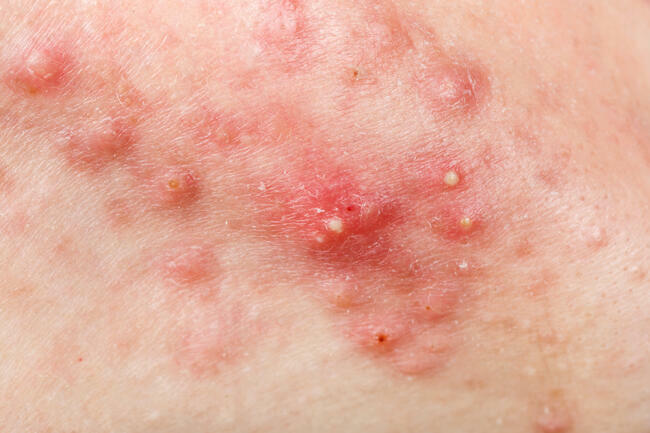
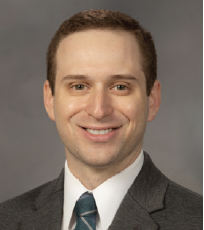
At the Fall Clinical 2025 session, “The Newest in Dermatology: Acne,” Mark Lebwohl, MD, reviewed recent data supporting the long-term efficacy of topical and oral therapies in acne management, focusing on durability, scarring, and sebum reduction.
While most pivotal acne studies report 12-week outcomes, Dr Lebwohl emphasized the importance of looking at longer timeframes: “Acne is not a 12-week disease.” He presented pooled 24-week data on the US Food and Drug Administration approved triple combination of benzoyl peroxide, clindamycin, and adapalene, demonstrating continued lesion improvement beyond the traditional 3-month window.
The triple combination also showed meaningful impact on post-acne sequelae. Over 24 weeks, patients experienced visible reductions in scarring and dyspigmentation, supported by clear photographic evidence. “We have heard about scarring improvements from several topical retinoids, not so much from adapalene, but here it is,” he noted.
Dr Lebwohl advised starting patients on a green-pea–sized amount of the product to the entire face, beginning every other night and increasing as tolerated. While the product is dispensed in a pump, he cautioned: “A full pump is definitely too much for the full face. About a half pump is sufficient.”
Turning to oral therapies, Dr Lebwohl reviewed real-world data on sarecycline for acne, used either as monotherapy or in combination. Findings showed similar efficacy in both settings, but he emphasized that in clinical practice, “I personally don’t write it as monotherapy.”
The primary goal with oral antibiotics, he argued, is to “get quick and high levels of improvement… and then get them off the oral antibiotic and maintained on topicals.”
Dr Lebwohl reinforced stewardship principles: “We really want to try to avoid using antibiotics as monotherapy, regardless of whether it's topical.” Supporting this, he noted that sarecycline’s narrow-spectrum profile, with limited gram-negative activity, offers the added benefit of sparing the gut microbiome—an increasingly important consideration in dermatologic prescribing.
Finally, Dr Lebwohl presented 52-week data on clascoterone cream 1%, a topical androgen receptor inhibitor. He emphasized its role in reducing facial sebum and improving oiliness, pore size, and shine over time.
While well tolerated, he cautioned that clascoterone is not fast-acting: “The issue with it is that it takes time to work, and you have to use it twice daily.”
He urged clinicians to follow the approved dosing to match trial efficacy and not under-dose: “A lot of people are prescribing it once daily. To get the levels of improvements you’re seeing in the studies, you have to use the drug on-label.”
Importantly, clascoterone is stable in combination with benzoyl peroxide, which enhances its compatibility with multi-agent regimens.
Dr Lebwohl concluded, “Keep treating your patients. Combination therapy and long-term regimens lead to real improvement.”
Reference
Lebwohl M. The newest in dermatology: acne. Presented at: 2025 Fall Clinical Dermatology Conference. October 23–26, 2025; Virtual