Microbiome Matters: Connecting the Gut, Skin, and Joints in Inflammatory Dermatoses
At Dermatology Week 2025, Bridget Shields, MD, delivered a science-rich session titled “Inflammatory Dermatoses: The Skin, Gut, and Joint Connection.” The talk offered an accessible deep dive into how skin and gut microbes may fuel chronic inflammation, and how they could soon shape treatment decisions.
“We’re realizing that microbiomes aren’t just passengers; they’re players,” Dr Shields said.
She began by framing the gut and skin microbiomes as essential regulators of immune activity, with dysbiosis linked to diseases like psoriasis, psoriatic arthritis, and hidradenitis suppurativa (HS).
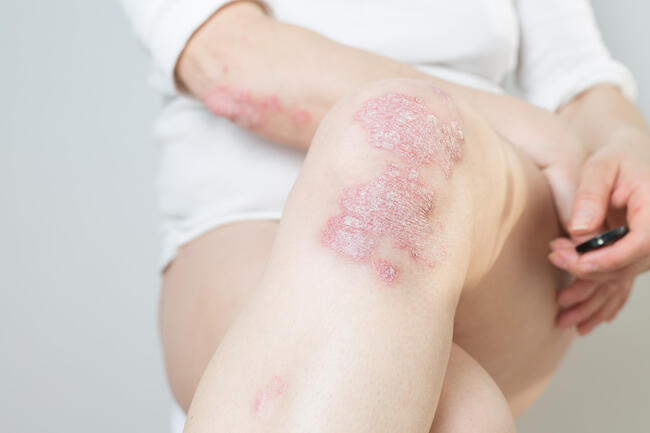
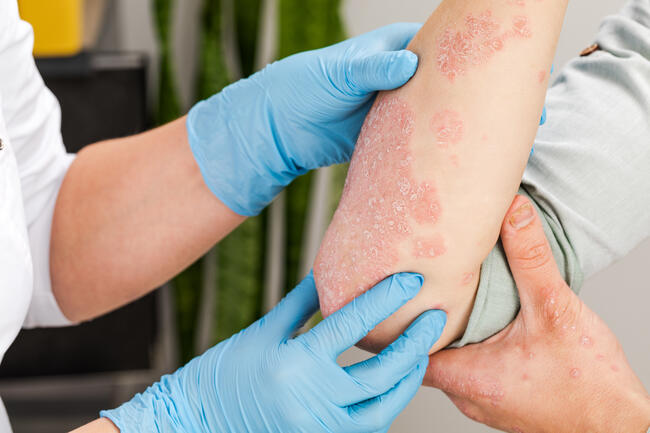
In psoriasis, studies show that patients have decreased levels of protective bacteria like Cutibacterium acnes on the skin and increased Staphylococcus aureus, which is linked to Th17-driven inflammation. Gut studies reveal a similar story: reduced bacterial diversity, elevated Firmicutes (associated with metabolic disease), and lower Bacteroidetes, tipping the balance toward systemic inflammation.
“Increased gut permeability, often called leaky gut, can allow pro-inflammatory molecules to escape into circulation,” she explained.
In psoriatic arthritis, these microbial imbalances become even more pronounced, with reduced levels of protective species like Akkermansia, which may normally help suppress Th17 activation.
The talk then turned to HS, where the skin microbiome shows an overabundance of anaerobes—bacteria not normally present on the skin surface. Dr Shields pointed out that common antibiotics for HS, such as clindamycin and rifampin, may be treating more than inflammation; they may be altering the microbial environment itself.
While data on probiotics and microbiome-targeted therapy remain limited, Dr Shields noted early trials suggest potential in reducing disease severity scores and inflammatory markers in psoriasis. Topical probiotics and even fecal microbiota transplants are currently under investigation for HS.
Dr Shields closed with a simple, practical takeaway: diet matters. Western diets appear to reduce beneficial gut bacteria, whereas Mediterranean diets consistently boost diversity and anti-inflammatory species, suggesting a modifiable pathway for managing systemic inflammation.
“We’re just scratching the surface,” she said, “but it’s clear that the microbiome could be a missing link in treating inflammatory skin disease.”
For more meeting coverage, visit the Dermatology Week newsroom.
Maximize your experience by adding up to 90 days of on-demand access. Find the package that works for you. Upgrade here.
Reference
Shields BE. Inflammatory dermatoses: the skin, gut, and joint connection. Presented at: Dermatology Week; May 14–16, October 22–25, 2025; Virtual.