Managing EGFR Inhibitor Dermatologic Toxicities
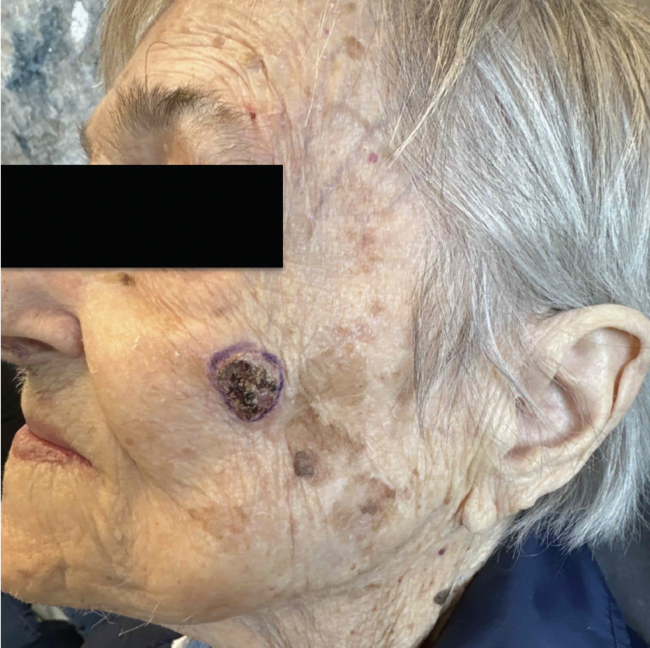
At Dermatology Week 2025, Dr Silvina Pugliese offered a fast-paced, case-driven overview of what dermatologists need to know about managing the common and often severe cutaneous side effects of epidermal growth factor receptor (EGFR)-targeted therapies in her session, “Rash Decisions: Managing Dermatological Toxicities Associated with EGFR Inhibitor Treatment to Improve Patient Outcomes.”
“Given the expanding indications for EGFR inhibitors across a variety of cancer types, you will see these patients in clinic,” she said.
EGFR plays a critical role in both cancer pathogenesis and skin homeostasis, which explains the high rate of dermatologic toxicities. As Dr Pugliese noted, “EGFR mutations increase receptor activation, inhibit apoptosis, and disrupt normal endocytosis to contribute to tumorigenesis.”
The most common skin toxicities include:
- Acneiform rash, which affects 50% to 100% of patients, usually presenting within 1 to 2 weeks of treatment in a seborrheic distribution.
- Xerosis, which has a later onset and is associated with increased skin fragility.
- Paronychia, appearing 4 to 8 weeks into therapy and often complicated by pyogenic granuloma-like lesions.
- Oral mucositis, which may present with erythema, ulcerations, or angular cheilitis.
Dr Pugliese emphasized that dermatologists are essential in this setting, noting: “Your expertise in dermatology is crucial to help cancer patients effectively manage dermatologic side effects and continue their recommended therapy.”
She also offered practical treatment strategies drawn from real-world cases, including the use of tetracyclines for acneiform rash, topical timolol and silver nitrate for paronychia, and oral hygiene protocols for mucositis. Preventive care is key: “Patients need to know about these methods prior to treatment initiation.”
With EGFR inhibitors now used in non-small cell lung cancer, colorectal cancer, head and neck cancer, and more, dermatologists are vital collaborators in oncology care. As Dr Pugliese put it, “Ideal management of cutaneous toxicities to EGFR inhibitors involves multidisciplinary collaboration and comprehensive patient education.”
For more meeting coverage, visit the Dermatology Week newsroom.
Maximize your experience by adding up to 90 days of on-demand access. Find the package that works for you. Upgrade here.
Reference
Pugliese S. Rash decisions: managing dermatological toxicities associated with EGFR inhibitor treatment to improve patient outcomes. Presented at: Dermatology Week; May 14–16, 2025; Virtual.