











Addressing Side Effects: Advances in Bipolar Disorder Treatment
As bipolar disorder treatment evolves, new pharmacologic agents are expanding options for clinicians and patients alike. In this interview, from the 2024 Psych Congress NP Institute, meeting Co-Chair Julie Carbray, PhD, PMHNP-BC, APRN, discusses how emerging therapies differ from traditional mood stabilizers, including improved tolerability and reduced side effects. Clinicians will gain insight into novel mechanisms of action and how to individualize care across the full bipolar spectrum to enhance outcomes and quality of life.
For more faculty insights from the NP Institute Meetings, visit our newsroom.
Key Takeaways for Clinical Practice
- Newer pharmacologic agents are designed to reduce weight gain by acting on endogenous opioid receptors that regulate hunger and satiety, improving tolerability vs. conventional treatments.
- Emerging therapies are also being developed to better address mixed and depressive states of bipolar illness, which have been undertreated by older agents primarily focused on mania.
- These novel mechanisms of action expand treatment options across the bipolar spectrum, potentially improving outcomes for patients with anxious or mixed subtypes without increasing risk for hypomania or depression.
Read the Transcript
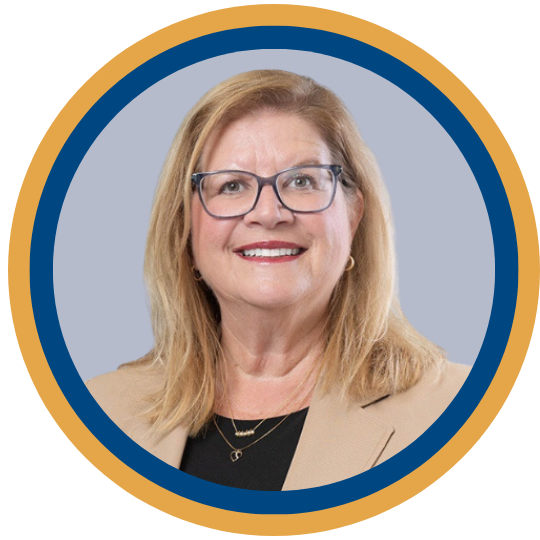
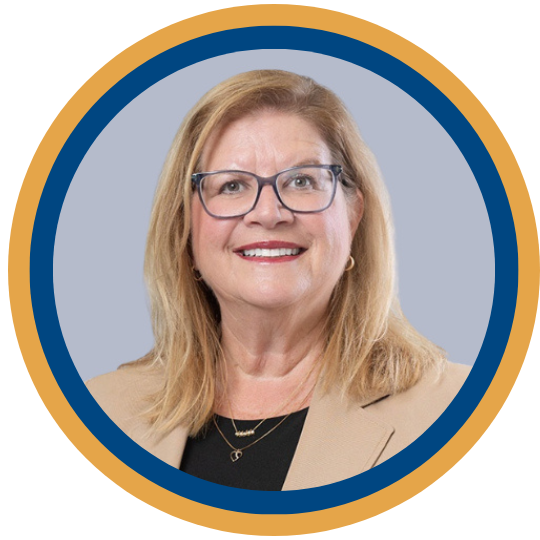
Julie Carbray, PhD, PMHNP-BC, APRN: Hi, I'm Julie Carbray. I'm a clinical professor of psychiatry and nursing at the University of Illinois-Chicago Department of Psychiatry and College of Nursing, and I'm a psychiatric nurse practitioner.
Psych Congress NP Institute: How do newer agents for the treatment of bipolar disorder compare to conventional treatment options?
Dr Carbray: Some of the newer medications available for patients with bipolar illness are addressing some of the tolerability effects that we have struggled with in the past. For instance, there's a newer mechanism of action that's taking a look at endogenous opioid receptors that are involved with hunger and feeling satisfied. One of the newer agents is really acting on those systems, and we believe that that's probably helping for patients to not gain weight as they did on some of the other agents.
Other agents seem to be addressing mixed states of bipolarity or more depressive components of bipolar illness. The challenge with the treatment of bipolar illness is that you may have a depressive state, you may have an acute manic state, mixed states, or even the anxious subtype of bipolar illness. So, all that variability under one cluster of a diagnosis offers a challenge because to date many of our medications that we use in this disease date can effectively treat mania, might effectively treat a bipolar depressive episode. We really don't have a lot yet that cares for that anxious subtype or a mixed subtype of bipolar illness. Newer medications are addressing mechanisms of action that might better target mixed states or anxious subtypes without elevating the risk for hypomania or exacerbating depressive episodes. So, newer medications give us more options across the spectrum of bipolar illness in addressing those subtypes of how patients present to us with their symptoms.
Thank you for this discussion today on bipolar disorder and how we might help our patients with an overall wellness plan and approaching holistic treatment to better the lives of persons we care for. Stay tuned for more information on bipolar disorder and information that will help us as clinicians to provide best care for our patients.
Julie Carbray, PhD, PMHNP-BC, PMHCNS-BC, APRN, holds her PhD (93) and Master of Science (88) degrees from Rush University, Chicago and her Bachelor of Science (87) degree from Purdue University in West Lafayette, Indiana. A Clinical Professor of Psychiatry and Nursing at the University of Illinois Chicago, she has been practicing as a Psychiatric Nurse Practitioner over 35 years. As the Director of the Pediatric Mood Disorder Clinic, Dr. Carbray leads the clinical program and multidisciplinary training and is a nationally recognized clinical expert in children and adolescents with mood disorders. Dr. Carbray holds a national reputation of excellence in serving families of children with mood disorders, and was recognized with the UIC Preceptor of the year award, the Karen Gousman Excellence in Nursing Award, the American Psychiatric Nurses Association Best Practices in an Outpatient Program for Bipolar Disorder Award, the UIC Inspire Award, the APNA Distinguished Service Award and the Susan McCabe psychopharmacology lectureship from the International Society of Psychiatric Nurses.
© 2025 HMP Global. All Rights Reserved.
Any views and opinions expressed above are those of the author(s) and do not necessarily reflect the views, policy, or position of the Psych Congress Network or HMP Global, their employees, and affiliates.
Related Content


Advance Your Expertise & Gain Confidence in Your Approach at NP Institute!
Nurse Practitioners play a vital role in mental healthcare, and specialized education is key to creating the best patient outcomes. Join us at NP Institute for an in-depth, practical learning experience designed to cover everything you’ve wanted to know but have been afraid to ask.
Why Attend?
- Expert-Led Education – Learn from world-class leaders in psychiatry
- Deep Dive into Psychopharmacology – Master essential principles, treatments, and medications
- Practical & Actionable – Gain confidence in your approach to manage complex cases
- Tailored for NPs – Networking opportunities with like-minded professionals and education designed to fit your unique role in mental healthcare
Join us to expand your knowledge and enhance patient care!






