Chapter 3: The APP's Role in AE Management and Patient Support
Transcript
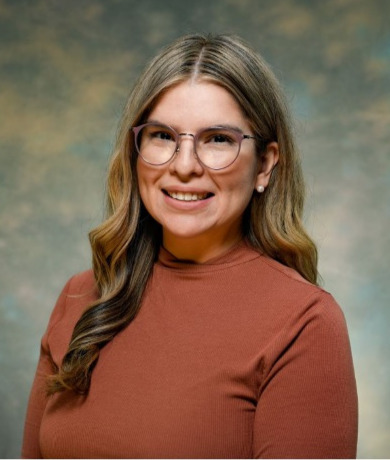
Katie Newlin: Hi, everyone. My name is Katie Newlin. I'm a nurse practitioner at Washington University in St. Louis. And I'm here today with some of my colleagues, and we are talking about metastatic triple-negative breast cancer, and kind of where we are today in the scheme of things.
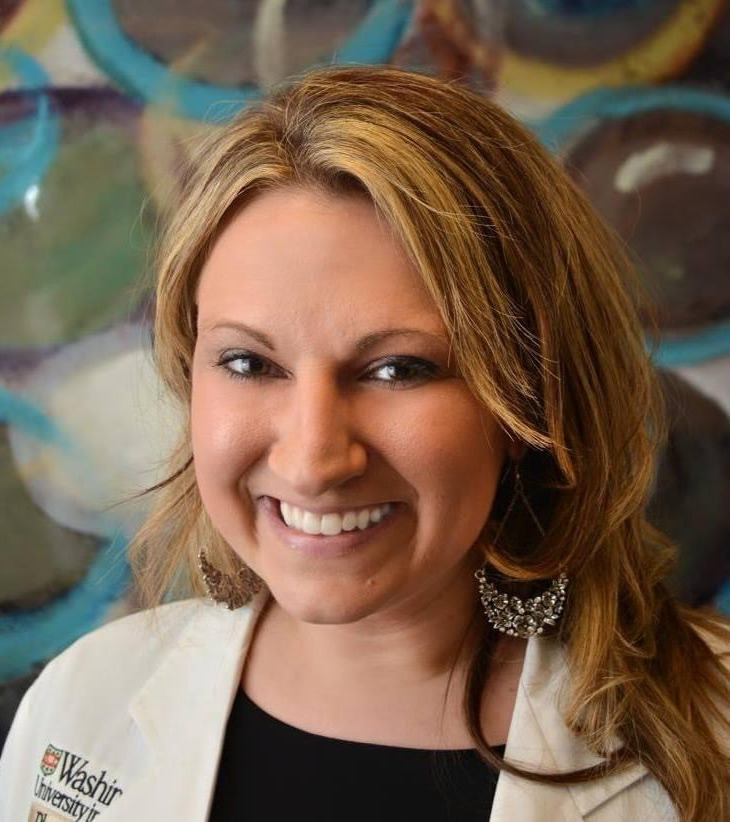
Sanita Burgic: Good morning. My name is Sanita Burgic, and I'm a nurse practitioner at Washington University in St. Louis as well.
Ashley Martinez: Hi, I'm Ashley Martinez. I'm also a nurse practitioner at UTMB Nursing Cancer Center.
Amanda Brink: And I'm Amanda Brink. I'm a nurse practitioner in the Drug Development Unit at the Sarah Cannon Research Institute in Denver.
Sanita Burgic: In this next segment, we're going to talk about the APP's role in managing adverse events and patient support. So, one of the areas where APPs really have a significant impact is in adverse event management. And that is especially true with these newer agents, which have profiles different from what our patients are already used to. So let's talk about what APPs need to know going into this.
Ashley Martinez: Absolutely, Sanita. I think this is a very important topic we need to discuss regarding adverse events, because there are distinct differences that APPs need to be aware of. So first, the most clinically significant adverse event with the SN38-based TROP-2 antibody drug conjugate is neutropenia, with an all-grade risk of up to 61% and a grade 3 or higher risk of about 40%. So obviously, there's a risk of febrile neutropenia that might warrant proactive GCSF consideration per individual institutional policies. And then we also have diarrhea, which occurs in all grades up to 64%. So that includes both early-onset diarrhea, which can occur within hours of the infusion, and late-onset diarrhea, which can occur 5 to 10 days after the infusion. And these two scenarios require very different management, which I think we'll dive into here in a few minutes. And then nausea, fatigue, and alopecia were also commonly reported with the SN38-based TROP2-ADC. So that's very different from the Dato-DXd. And this one has a very distinct profile, really dominated by stomatitis and oral mucositis, with a relatively lower risk of diarrhea and neutropenia, and a higher risk of interstitial lung disease. So again, that really differentiates the two agents as a class, even within the same TROP2 agents.
Sanita Burgic: Thank you for reviewing that with us and for walking us through the differences. In your experience, which adverse events are patients least prepared for? And how do you help them and counsel them with this information upfront?
Ashley Martinez: Absolutely. So, I think it just depends on which agent we're starting the patient on. With the SN38-based TROP2-ADC, I think one of the things they least expect is diarrhea. And that's a major risk in terms of adverse events with that agent. So, counseling them on what to expect, how we're going to hopefully prevent diarrhea, and how we're going to support them. And then with the Dato-DXd, preparing them for the risk of oral mucositis. A lot of our patients participate in support groups, so they hear a lot about fatigue and nausea. So I think things like diarrhea and oral mucositis might catch them off guard if they're not educated properly.
Sanita Burgic: Thank you.
Katie Newlin: And I agree. I think it's important for APPs, or advanced practice providers, to be able to communicate early on about preventative care. So, making sure that when they go home on that very first cycle, they start treatment and have a preventive regimen all lined out, we're doing our best to go in from a preventive standpoint rather than a reactive one.
Sanita Burgic: Thank you, Katie. I agree, proactive. It's the way to go.
Amanda Brink: And I've really shifted from describing side effects or toxicities as a laundry list to more of a timeline so that patients understand that there are certain toxicities to expect upfront, and then different toxicities later on, so that they know more about what to expect.
Sanita Burgic: Yeah. Thank you. For the next section, Katie, can you help us discuss managing diarrhea further?
Katie Newlin: Yeah, I think it's important for when we're talking about the ADC sacituzumab being really proactive, like we mentioned with the diarrhea. So, per institutional policies, I think it's important to employ early-onset or premedicate with medications like atropine so they have that for early-onset diarrhea. And then again, making sure that we have preventative measures in place. So, use loperamide, then add Lomotil if needed. And then, in our practice, one of the things we use is a non-pharmacologic approach: we tell our patients to use Banatrol. And so this again, this is the peptides of bananas. And so it's a natural way for us to tell our patients about ways we can just use something daily. And really, patients have a great deal of success when using several medications to alternate for the prevention of diarrhea.
Sanita Burgic: Good points to me.
Katie Newlin: Yeah.
Amanda Brink: That's so interesting. I've heard of people using banana flakes for tube feeds.
Katie Newlin: Yep, that's what this is. Yep.
Amanda Brink: Okay.
Katie Newlin: This is exactly what it is. And so it's exactly what it is. So we've had really good success with our patients using these antibody-drug conjugates, which really help offset that diarrhea component. Yeah.
Amanda Brink: So, one thing that I found helpful is treating diarrhea management like a pre-built escalation pathway rather than trying to troubleshoot with each individual patient. So everyone leaves cycle one with a box of loperamide and a very clear stepwise plan for what to do after that.
Katie Newlin: Yeah, definitely.
Ashley Martinez: Couldn't agree more, Amanda.
Sanita Burgic: I agree. Thank you for sharing that. Next, we'll discuss managing neutropenia, monitoring, and the GCSF strategy.
Amanda Brink: So, as we've talked about, a key component of sacituzumab is the management of neutropenia and proactive management of neutropenia. In practice, close CBC monitoring is absolutely essential. I find it very helpful to educate patients about when to expect neutropenia. Usually, the nadir occurs around days 8 to 11, so patients should be more proactive during that time in fever monitoring to help prevent complications. Another important layer is individual risk. UGT1A1 homozygosity is present in about 10% of patients. And that can place patients at higher risk for grade three or higher neutropenia and febrile neutropenia, so we can try to be more proactive with patients who are positive for that.
Sanita Burgic: Amanda, do you routinely order the UGT1A1 testing in your practice? And how's that informed your management?
Amanda Brink: I wouldn't say that I order it routinely for every patient. I'll look at the patient's risk. If they have risk factors for more severe cytopenias or if I'm concerned about their bone marrow reserve at baseline, then I may order it for those patients. But it's not something that I do across the board.
Katie Newlin: Same. We don't do it right out of the gate. It's something that, if someone's having more symptoms, more side effects, I think it's a light-bulb moment of thinking outside the box: is this something that could potentially hasten their diarrhea or symptoms?
Ashley Martinez: Yeah, I completely agree with Katie and Amanda. It's definitely not a blanket cover-all where we're testing all patients, but I think on a very individualized basis.
Sanita Burgic: Yeah. And I've seen it where we test a patient we feel should get tested, and that helps guide our decisions. But yeah, I agree we don't do it routinely. For the next section, can Ashley walk us through patient education and support in the rural community setting?
Ashley Martinez: Absolutely. We know APPs are often the primary educators for our patients, so we're driving the patient education conversations. We're educating our patients about adverse events and empowering them to stay ahead of side effects, as Amanda mentioned with the diarrhea. So we really are the ones at the forefront, empowering our patients to even utilize self-monitoring tools. And especially in the community setting, let's not forget the role of telehealth and telephone visits, which can really help bridge the gap for our rural or community patients, especially between infusion visits. So I think, as APPs, it's really important for us to coordinate patient support programs, follow-up visits, social work visits, and infusion dates with our patients so we can ensure we're maintaining dose intensity and staying on track with infusion dates. And really, all of that will improve our patients' quality of life.
Sanita Burgic: I agree. If we are proactive, we can better manage side effects and help our patients stay on track.
Katie Newlin: Yeah. And I think that open communication with patients. We now have more access to portal messages and other information with our patients, so we're able to have those conversations instead of just waiting for a formal visit or a follow-up. It makes it easier when our support staff is calling or messaging them, and they can kind of see what's going on right in that moment instead of waiting for a follow-up visit. Yeah.
Sanita Burgic: I agree. Ashley, what's one practical tip you would give APPs new to managing patients on TROP-2-directed ADCs?
Ashley Martinez: Right. I don't know if it's a practical tip, but I think it's often missed, and verifying pregnancy status is critical in this field and patient population. Like we mentioned earlier, triple-negative breast cancer is affecting our younger patients. So they likely are of reproductive age. So verifying pregnancy status is so important. And then even kind of looking down the road, counseling patients on effective contraception during and even up to seven months after their last infusion date.
Katie Newlin: Yeah, that's a very good point. Yeah.
Sanita Burgic: I agree. That sometimes can be overlooked. I agree. Anything else that you would add?
Amanda Brink: I was just going to say building a very structured early cycle follow-up into the patient's plan so that we can catch side effects early, neutropenia early, diarrhea early, and prevent patients from going too far with those toxicities.
Katie Newlin: Yeah. And I think setting the stage, just that open line of communication, just so patients know right out of the gate what to expect. And then if it doesn't happen or it's a little bit milder, they're not let down, they're more optimistic that they didn't have as much diarrhea or side effects. And so, really just setting the stage, being open, communicating with patients is just so important.
Sanita Burgic: And I'd like to use that first treatment in follow-up and just really listen to the patient and what issues they had, what side effects, and work one-on-one with them in trying to decide, where can we intervene, what can we do differently next time? And I feel that when we make that shared decision together, the next treatment goes much more smoothly.
Katie Newlin: Yeah, definitely.
Ashley Martinez: Great point.
© 2026 HMP Global. This is a non-CME activity. The views and opinions expressed by the presenter(s) do not necessarily reflect the views and opinions of the Oncology Learning Network, HMP Global, or its employees and affiliates.