Inside the Simulator: How Realistic Training Is Shaping the Future of EMS
Key Takeaways
-
Realism matters: High-fidelity simulation exposes providers to physical, psychological, and environmental challenges they’ll face in the field.
-
Safety starts before the call: Simulation helps reduce injuries and errors by familiarizing providers with equipment, movement, and confined spaces.
-
Built with EMS input: Continuous feedback from field providers drives innovation and keeps training tools relevant and effective.
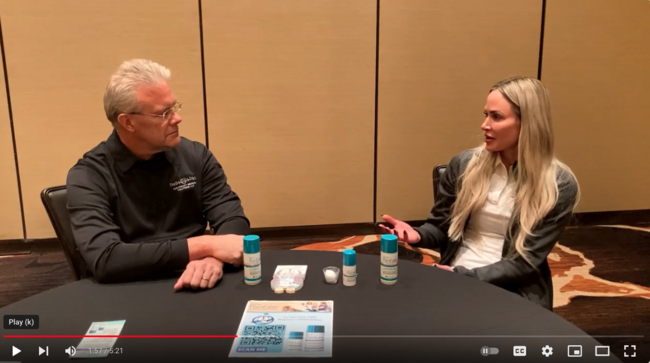
Simulation training has become a critical pillar of modern EMS education, bridging the gap between classroom learning and real-world field performance. In this episode of the EMS World Podcast, host Mike McCabe sits down with Nathan Harrison, Vice President of Operations at Simulator Solutions, to explore how high-fidelity simulation is transforming the way EMS providers train, prepare, and stay safe.
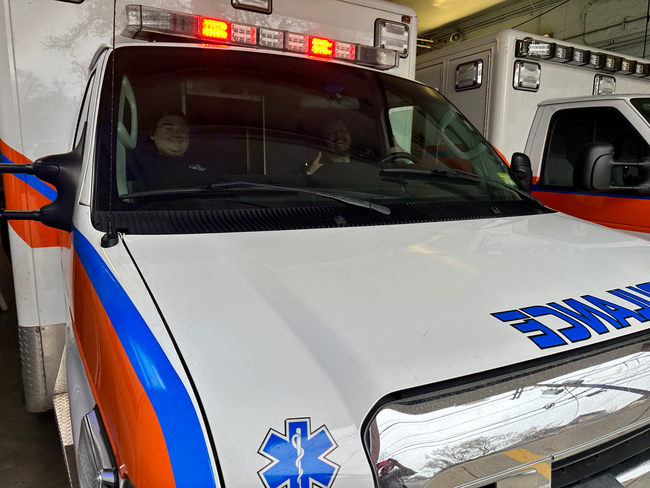
Harrison shares the unique origin story of Simulator Solutions, a family-founded company born from the need for realistic ambulance training environments. Drawing on engineering expertise rather than clinical backgrounds, the team has focused on recreating the physical realities of EMS work — from confined spaces to constant motion — so providers can train under conditions that closely mirror the field. These simulators allow learners to experience challenges such as claustrophobia, equipment placement, and vehicle movement long before they encounter them on the job.
The conversation highlights the safety benefits of simulation, including reducing preventable injuries and improving situational awareness. Harrison explains how Simulator Solutions works closely with EMS professionals to refine products, ensuring they reflect real operational needs. Innovations like ambulance simulators with pneumatic movement systems, rollover simulators for extraction training, and an upcoming helicopter simulator demonstrate the company’s commitment to realism and continuous improvement.
As EMS agencies face increasing demands and risks, this episode underscores how immersive simulation training helps providers build confidence, sharpen skills, and ultimately deliver safer patient care — before lives are on the line.
Sponsored by Simulator Solutions