Smoke-Filled Rescue Scenario Tests EMS Teams at Battle of the Smokies
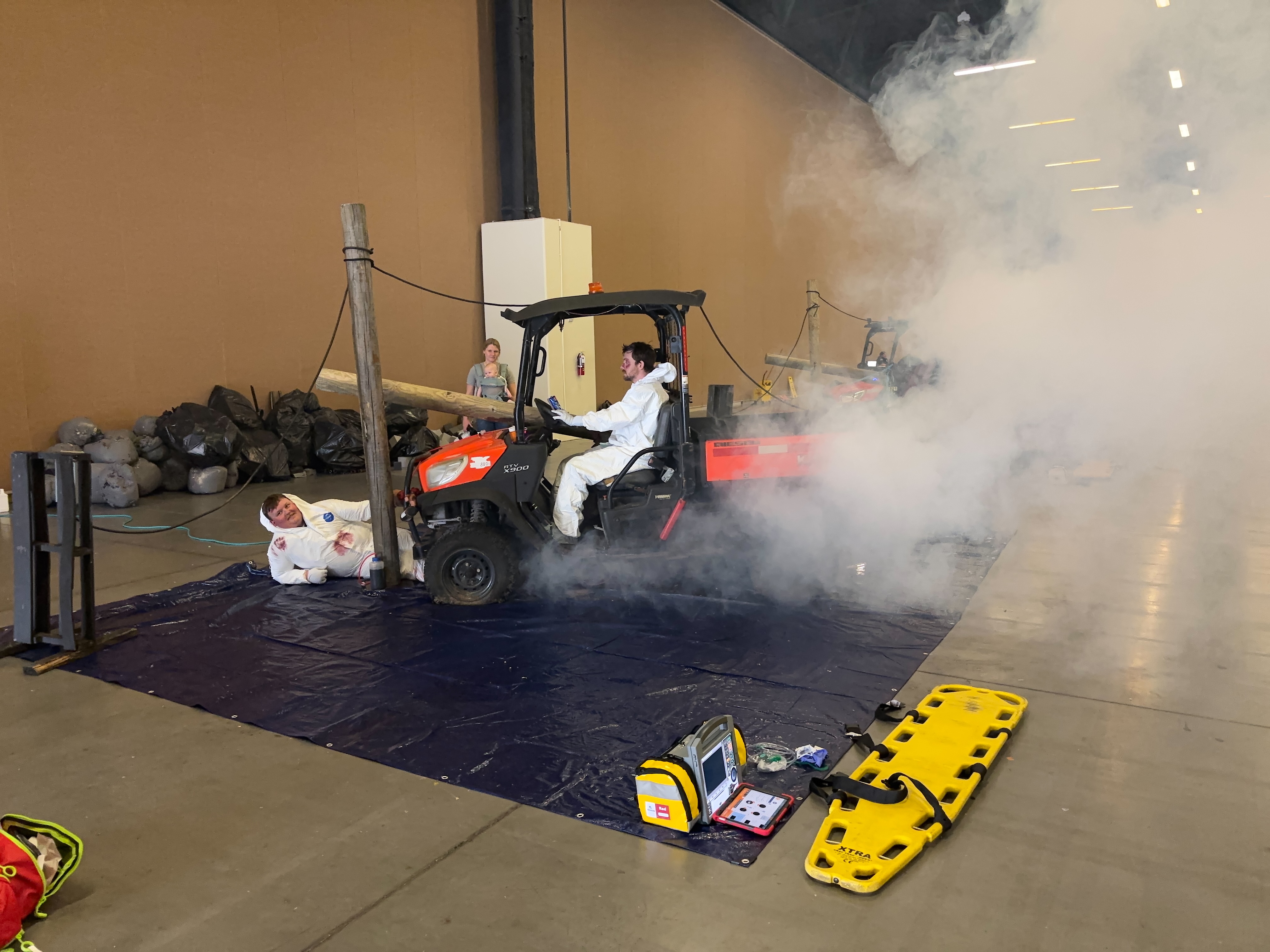
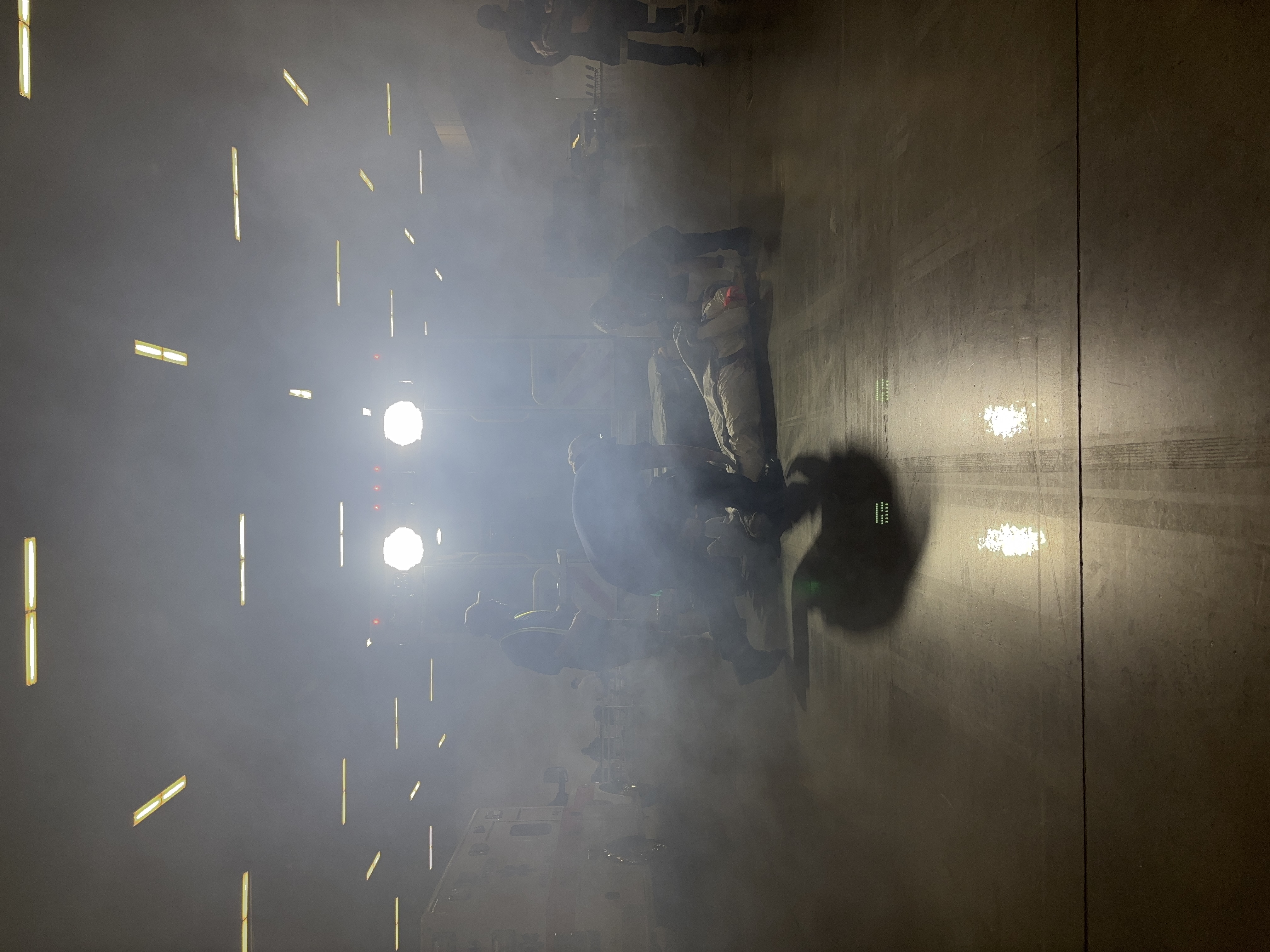
Smoke drifted through a simulated crash scene inside the Sevierville Convention Center as EMS teams moved quickly between patients, calling out interventions, assessing injuries, and coordinating care under the watchful eyes of judges. The controlled chaos was all part of the Battle of the Smokies EMS Competition, where emergency medical providers from across Tennessee tested their clinical skills and teamwork in a high-pressure training environment designed to mirror real-world emergencies.
The fourth annual Battle of the Smokies drew 25 teams and approximately 100 participants, including competitors, judges, instructors, and conference attendees. Alongside the competition, participants earned eight hours of continuing education credit, combining classroom education with hands-on simulation training.
What began as a small training exercise between two EMS education programs has steadily grown into one of the region’s most unique training opportunities for prehospital providers.
From Friendly Rivalry to Regional Training Event
According to David Blevins, program director of the EMS program at Roane State Community College, the competition originally began as a friendly challenge between the EMS training programs at Roane State Community College and Walters State Community College.
The early competitions were intended to give students a chance to test their clinical skills in a realistic environment while also learning from peers at other programs. As the event gained popularity, organizers expanded the format to include operational EMS agencies, allowing experienced providers to compete alongside students.
Two years ago, the event expanded again when the Tennessee Mine Rescue Association (TMRA) and the Tennessee Association of EMS Providers (TAEMSP) formally partnered with the schools to help organize and grow the competition. The partnership brought additional resources and experience with scenario-based competitions, helping transform the event into a full EMS education conference.
“This is our biggest year yet,” Blevins said. “When we first started, it was just between a couple of schools. Now we’ve opened it up so EMS agencies and providers from across the state can come together, learn from each other, and compete.”
The collaboration between educational institutions, EMS agencies, and mine rescue professionals has helped create an event that emphasizes both competition and professional development.
Competition Adds Realistic Pressure
Mine rescue teams have long used competitions as part of their federally required training programs. These events place responders in complex scenarios that require quick thinking, technical knowledge, and strong teamwork. Brian Millington, director of the Tennessee Mine Rescue Association, said the competitive format introduces an element that traditional classroom instruction cannot replicate.
“Competition adds stress,” he said. “That stress helps simulate the kinds of conditions responders face when they’re working real emergencies.”
By introducing time pressure, multiple patients, and environmental hazards, the Battle of the Smokies competition aims to recreate the kinds of challenges EMS providers may encounter during complex calls in the field.
A Smoke-Filled Scenario
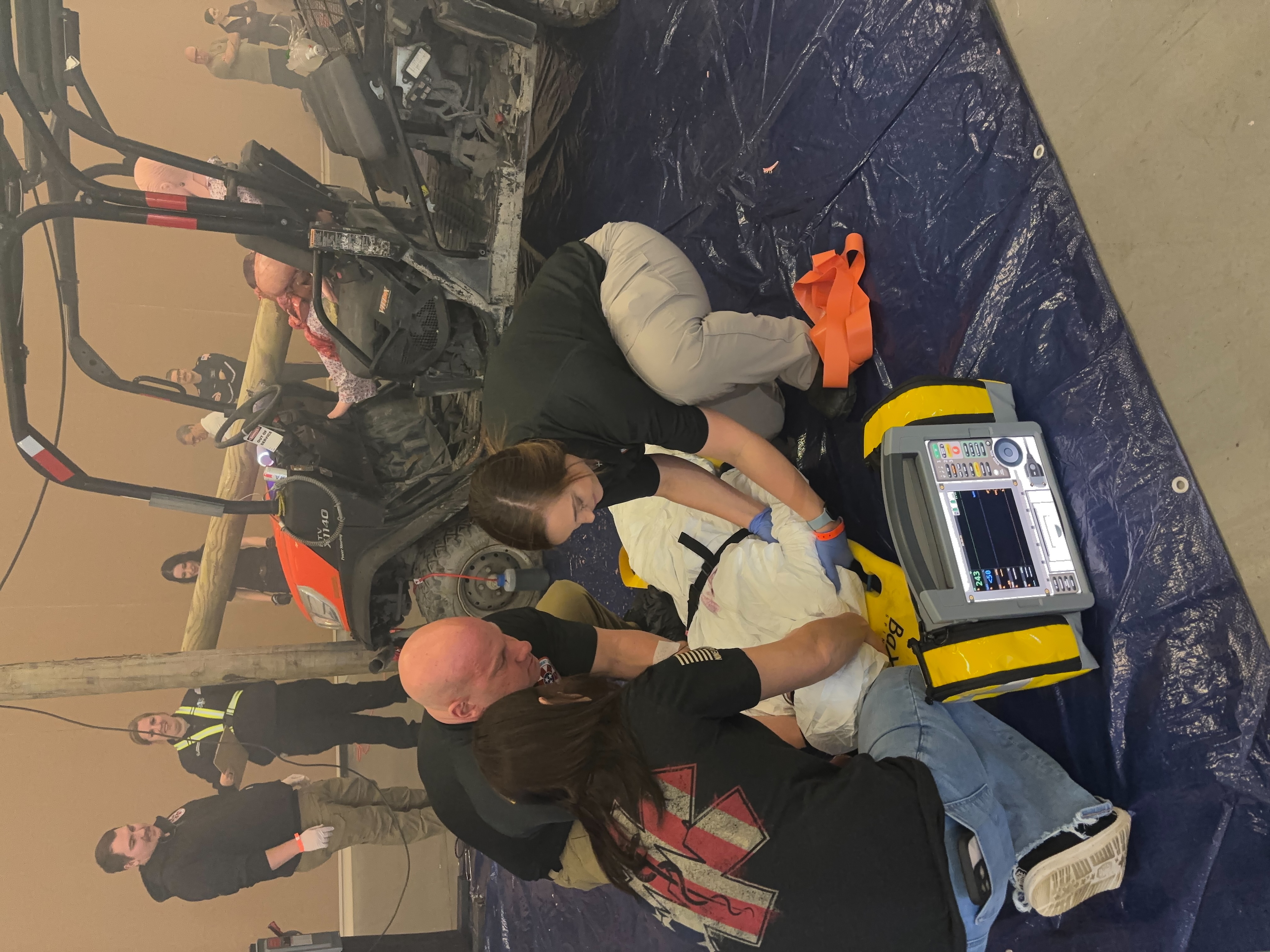
This year’s scenario placed teams in a multi-patient crash scene involving a side-by-side utility vehicle that had collided with a telephone pole. The simulated environment included smoke, injured patients, and scene hazards designed to test both clinical skills and situational awareness.
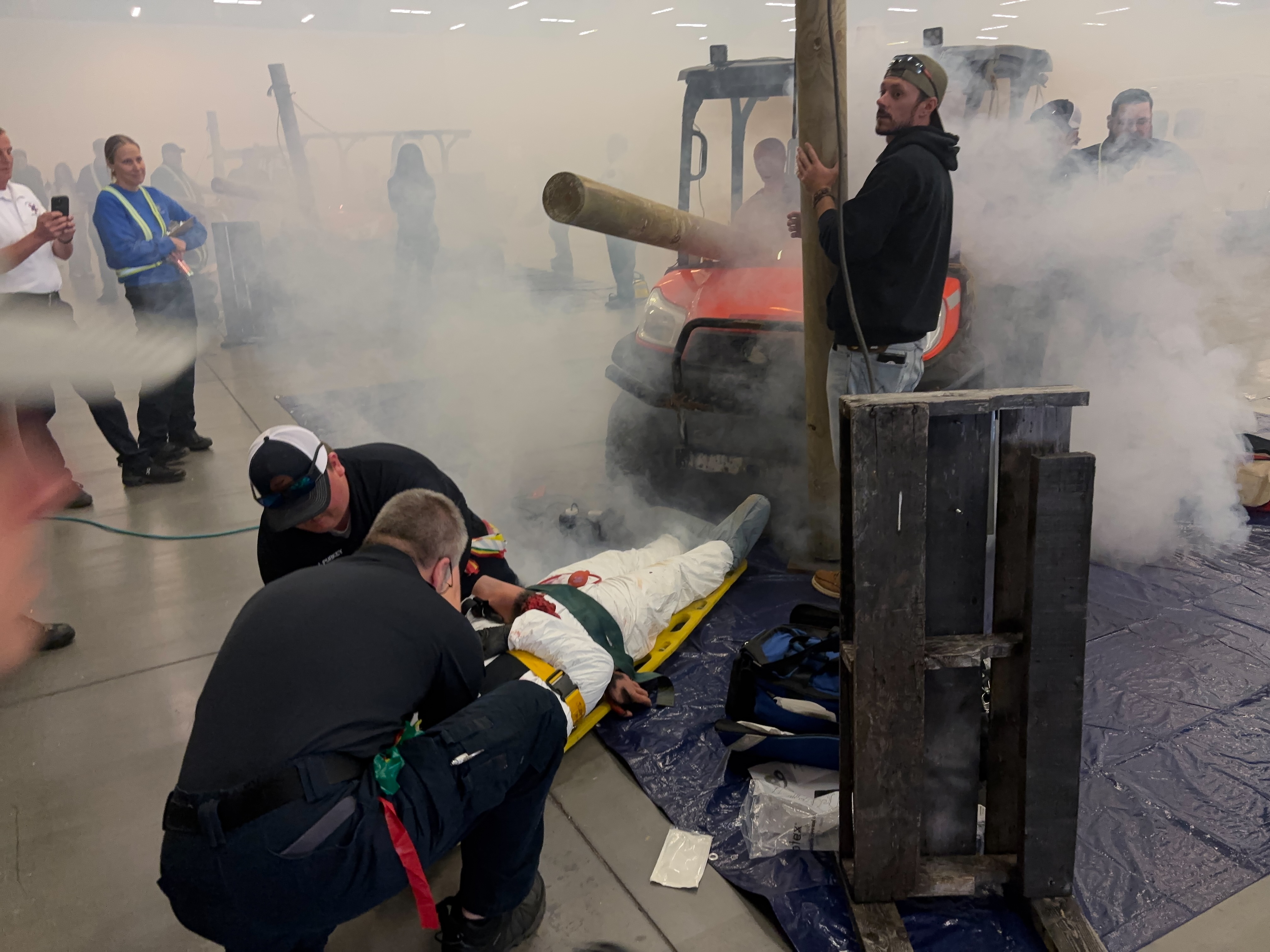
Teams entered the scenario with limited information, much like they would during an actual emergency dispatch. Once inside the scene, they were responsible for quickly evaluating the situation, determining scene safety, and beginning patient care.
Competitors had to demonstrate a wide range of EMS skills, including:
• scene size-up and hazard identification
• patient assessment and triage
• treatment decision-making
• teamwork and communication
• patient packaging and movement for transport
Throughout the timed exercise, judges observed how teams approached the scenario and evaluated their clinical reasoning and coordination.
The scenario was intentionally designed to represent the types of low-frequency but high-risk incidents that EMS providers won’t encounter often during their careers but must still be prepared to manage effectively.
A Competition Designed to Promote Learning
Although teams compete for top honors, organizers emphasize that the primary goal of the event is education.
Jason Fox of the Tennessee Association of EMS Providers helped design the grading rubric used by judges during the competition. Fox said the scoring system was intentionally developed to account for differences in protocols among EMS agencies.
Because EMS agencies operate under different medical directors and treatment guidelines, Fox said judges were instructed to allow flexibility in how teams approached patient care.
“We designed the grading system so judges can account for variations in practices and protocols,” he said. “Teams are only penalized for interventions that could potentially harm a patient. We want everyone to learn and come away with something positive. The whole point is improving how we take care of patients.”
That approach allows providers from a wide range of EMS systems to compete on an even playing field while still encouraging thoughtful, patient-centered care.
Experienced Judges Provide Feedback
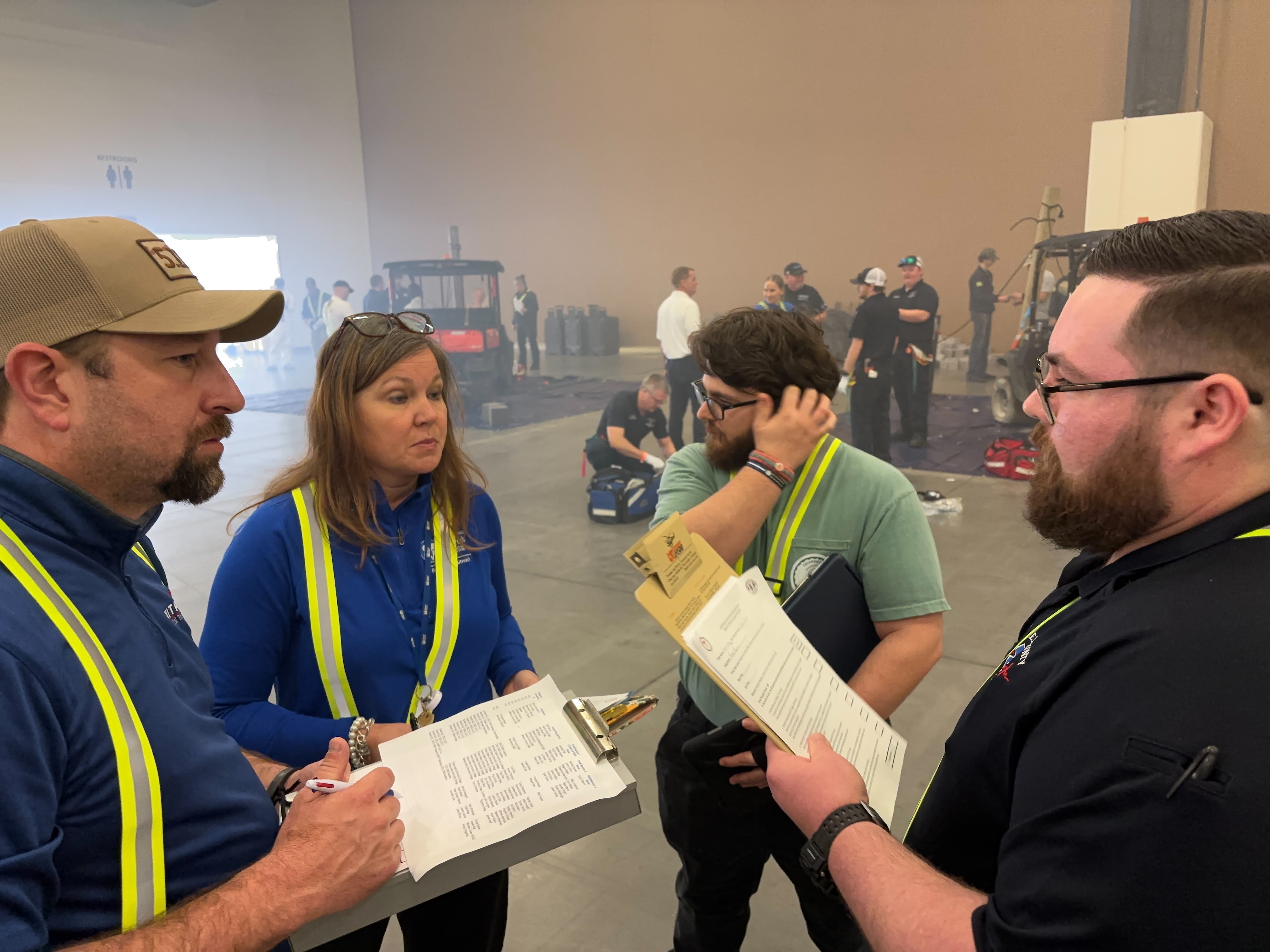
Judges for the competition were experienced EMS providers and instructors from across Tennessee, representing a broad range of specialties including ground ambulance services, aeromedical programs, and neonatal transport teams.
Their diverse backgrounds helped ensure teams were evaluated by professionals familiar with different operational environments and patient care challenges.
A physician medical director was also on site, available to provide online medical control if needed and offering additional clinical oversight as teams worked through the simulated emergency scenarios. In addition to scoring teams, judges provided feedback following the scenarios, allowing competitors to learn from their decisions and identify areas for improvement.
Education and Networking
For many participants, the Battle of the Smokies provides an opportunity not only to test their skills but also to connect with other EMS professionals from across the state.
Blevins said the competition was designed to enhance the educational experience by allowing providers to observe how other agencies approach patient care and scene management. “The competition was designed to enhance the education component and allow competitors to network and see how other agencies and schools operate,” Blevins said. “It gives them the opportunity to learn from services outside their own home agency.”
The conference portion of the event also offered eight hours of continuing education, covering topics relevant to prehospital providers and reinforcing the lessons learned during the scenario-based training.
Combining classroom instruction with hands-on simulation allows participants to immediately apply new knowledge in a realistic environment.
Preparing Providers for Real Emergencies
Simulation-based training has become an increasingly important part of EMS education. By recreating complex emergency scenes in a controlled setting, events like the Battle of the Smokies allow providers to practice managing difficult situations without the pressure of real patient outcomes.
These exercises help strengthen communication, teamwork, and clinical decision-making—skills that directly translate to better patient care in the field.
For organizers, the ultimate goal of the event extends far beyond determining which team performs best during the competition. “If providers leave here with new ideas or new ways of approaching patient care,” Fox said, “then we’ve accomplished what we set out to do.”
Competition Results
At the conclusion of the conference, competing teams were recognized for their performance in four divisions.
Service ALS
- 1st Jackson County EMS
- 2nd Blount Instruments, AMR Blount
- 3rd Ditch Doctors of Hardin County EMS
Service BLS
- 1st Morristown EMS
- 2nd I.V. League Basics of Hardin County EMS
Student ALS
- 1st Para Maybe’s of Columbia State Community College
- 2nd Team 6 of Roane State Community College
- 3rd Team 5 of Roane State Community College
Student BLS
- 1st Flash Bang of Columbia State Community College
- 2nd Epic Furry of Columbia State Community College
- 3rd Team 2 of Roane State Community College
As participation continues to grow, organizers hope to expand the Battle of the Smokies even further in the coming years, drawing additional teams from across Tennessee and neighboring states.
For Blevins and the other organizers, the continued growth of the event reflects the EMS community’s commitment to ongoing education and professional collaboration. “This is about learning,” Blevins said. “The more we train together and share ideas, the better prepared we all are to take care of patients.”