EMS World Expo 2025: Treating Victims of Sexual Assault

When treating a victim of sexual assault, two of the most important things an EMS clinician can do are to listen and show empathy, Kele Ivey told a packed room at EMS World Expo 2025.
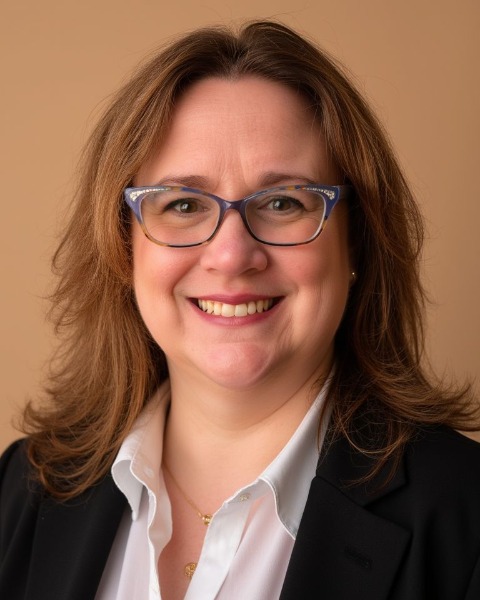
“You’re setting the tone for the rest of their medical care,” she explained, adding that the patient’s expectations for the whole process, including medical care and interactions with law enforcement and beyond, may be based on how they’re treated by first responders.
A former paramedic who now serves as a certified sexual assault nurse examiner (SANE) and emergency room nurse in Indiana, Ivey walked the audience through the epidemiology of sexual assault. More than a quarter of all women and at least one in 26 men, she said, report being the victim of rape or attempted rape. Certain populations are more at risk, including children and young adults, people of color, members of the LGBTQ community, and people with disabilities—but sexual assault impacts people across all demographic groups.
Ivey took on several myths about sexual assault. First, she said, perpetrators aren’t usually strangers—more than 80% of sexual assault victims know their assailants. Second, most people who report sexual assault are telling the truth. And finally, clinicians can’t tell if someone has been sexually assaulted by what injuries they have or how they act.
“We can’t just look and say, ‘Oh yeah, somebody raped them,’” even after a physical exam at the hospital, she said. And there’s no clear giveaway from their emotional state, either. “They may be crying, they may be calmed down or dissociating, anger, laughing, confused, but they may not be responding in the way you think that they should be responding … based on, you know, watching years of Law & Order: SVU.”
Critical Role of EMS Clinicians
In addition to setting the tone for a patient’s entire interaction with the healthcare system, EMS clinicians play other important roles in the response to victims of sexual assault. For one, patients are sometimes more willing to talk to EMS than to law enforcement. “You’re not there to arrest them,” she explained. “You may [also] be the only person to witness the crime scene.”
In some cases, especially when the call is not dispatched as an assault or if the patient refuses transport to the hospital, EMS may be the only interaction the patient has with someone who can offer help. Ivey suggests contacting local crisis centers or shelters or other organizations to see if they can provide a list of resources or other information that can be handed out to these patients.
Many of Ivey’s suggestions relate to every patient encounter an EMS clinician has but become even more important when someone is the victim of sexual assault, such as making sure to introduce yourself and get on the patient’s level to establish a rapport and show empathy. Frequently, it’s better to try to move the patient to the ambulance or somewhere away from family, bystanders, or other responders so they have privacy and can be forthcoming, especially as the abuser might still be there.
As with any call, the top priorities are the safety of your patient, yourself, and your crew, as well as treating any potential life-threatening and serious injuries. While trying to preserve evidence is important, patient care needs to come first, Ivey said.
While treating the patient, though, Ivey said forensic nurses will go out of their way to ask for consent at every step of the process—more so than they might with other patients, and even with the most basic steps like checking a pulse or blood pressure. In the ER, that starts the minute she gets to the door of the patient’s room and knocks, asking if it’s okay for her to come in.
“[These patients have] already had power taken away from them. They've already been in a situation that they have no control of,” she explained. “So now what we're saying to them is like, okay, no, you get to make these next decisions. This is up to you.”
Other tips Ivey offered include:
- Believe the patient. Few people lie about being sexually assaulted, and even if they do, it doesn’t do any good to try to figure that out—just like you’d not accuse a chest pain patient of lying about their chest pain, don’t try to determine if the patient is lying about being sexually assaulted.
- Don’t use the term “alleged”—just quote your patient.
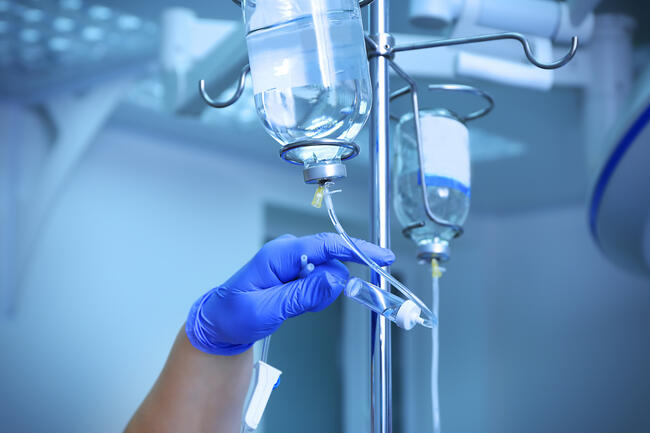
- Try to avoid destroying or altering evidence if possible—start an IV on the arm without bruises, remove clothing and bag it in paper bags if necessary and possible—but don’t let evidence preservation interfere with good patient care.
- Look for things like signs of strangulation and ask about loss of consciousness or incontinence that may be signs of serious brain injury.
- Consider transporting to a hospital with a sexual assault nurse examiner or forensic nurse examiner available.
- Reach out to your local community organizations or sexual assault response team to find out what specific resources your community has.
Want to be a speaker at EMS World Expo? The call for presentations for EMS World Live | Austin and EMS World Expo 2026 is open through Dec. 3, 2025. Submit your idea here.