Emotional Intelligence and EMS Leadership: Caring for Mental Health After a Tough Call
In October 2025, the European Resuscitation Council and the American Heart Association (AHA) published their new guidelines followed throughout the world. In it is a reference to supporting the emotional well-being of rescuers at the time of an incident and afterward—emotional intelligence (EI).

EI is the ability to manage both your own emotions and understand the emotions of people around you, according to Mental Health America, a nonprofit dedicated to promoting mental health, well-being, and prevention. There are five key elements to EI, MHA said: self-awareness, self-regulation, motivation, empathy, and social skills.
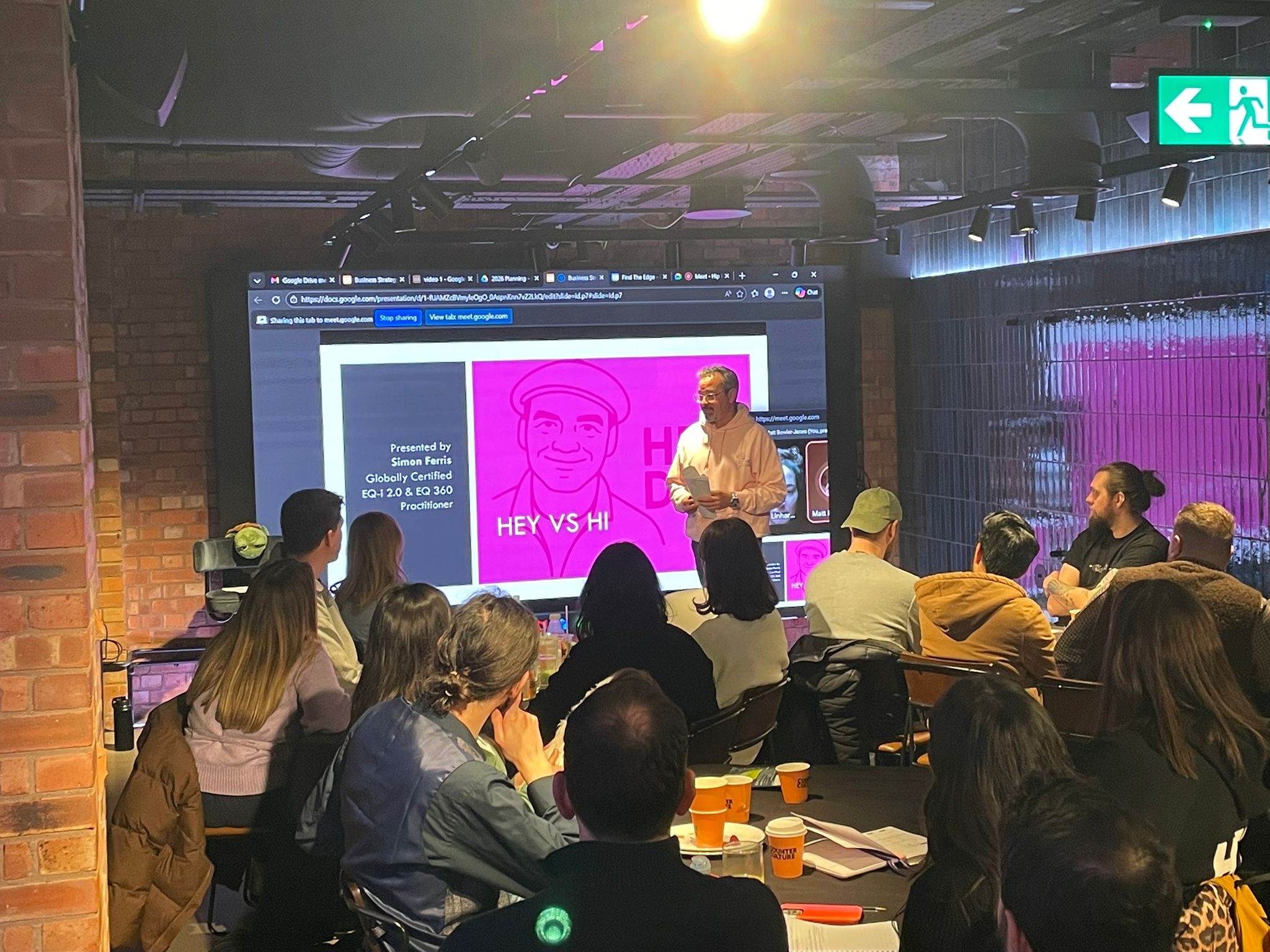
Potential rescuers should have an understanding about how they and others may react, said Simon Ferris, director of Flat Stan First Aid Limited for children and SEF First Aid Assistance for adults in Halifax, United Kingdom.
Ferris is a first aid educator and EI practitioner working with a variety of organizations.
“I have a particular interest about how people think, feel, communicate, and perform under pressure—particularly in an emergency—and how it might prevent people from assisting [others],” Ferris said. “If this could be addressed, then the survival rates for out-of-hospital sudden cardiac arrests might improve.”
As such, Ferris established the First Aid and Emotional Intelligence Centre, which he believes to be the only or one of the only dedicated global centers that formally integrates first aid and resuscitation training, emotional intelligence development, communication under pressure, and psychological safety and responder well-being.
Combating the Bystander Effect
Ferris holds formal qualifications in EI assessment and development that are used internationally in leadership, EQ-I 2.0 and EQ 360. He recently advised the Resuscitation Council UK about inclusivity in training.
“At Flat Stan First Aid and SEF First Aid, we do more than teach first aid—we empower both adults and children with essential life skills by incorporating emotional intelligence in our training,” Ferris said. “We deliver adult training, advise organizations, and support them in introducing emotional intelligence into their training to help mitigate the bystander effect.”
The bystander effect is a psychological theory that people are less likely to help someone in need if others are present and can hinder a person’s ability to get immediate help. A key factor influencing bystander intervention is a lack of training; this can extend to professional rescuers.
Ferris noted there is growing evidence that unmanaged psychological load contributes to burnout, reduced performance, staff attrition, and diffusion of responsibility and bystander effect.
“Supporting rescuers mitigates cognitive overload and preserves long-term workforce resilience,” Ferris pointed out.
AHA Mental Health Recommendations for Healthcare Professionals
The AHA noted research demonstrates the people who care for cardiac arrest patients often experience distress. In response, the 2025 American Heart Association Guidelines for Cardiopulmonary Resuscitation and Emergency Cardiovascular Care, the post-cardiac arrest care recommendations for professionals are:
- Interventions to address professional burnout
- Debriefings and referral for follow-up for emotional support for lay rescuers, EMS professionals, and hospital-based professionals
Debriefings after witnessing cardiac arrest events, identifying the natural stressors associated with caring for such patients, and offering well-being interventions or referrals for follow-up mental health services may provide opportunities to mitigate distress and burnout, the agency noted. Team debriefings may allow for quality improvement as well as recognition of the natural stressors associated with caring for a cardiac arrest patient, according to the AHA.
In one qualitative study of lay rescuers and one nonrandomized study of emergency department professionals, participants reported benefiting emotionally from debriefings, although a scoping review found that nurses may prefer to not discuss distress during debriefings and rather pursue support later.
Burnout negatively impacts healthcare professionals’ productivity—such as absenteeism and turnover—and patient care, resulting in reduced patient satisfaction and increased clinician errors, according to the AHA. The organization noted that burnout among healthcare professionals is common, is not unique to those who provide care for patients with cardiac arrest, and is often characterized by emotional exhaustion, depersonalization/cynicism, and reduced sense of personal accomplishment.
Seven randomized controlled trials targeting burnout in health care professionals all led to some improvement in at least one dimension of burnout or mental health outcome. Intervention mechanisms included yoga, mindfulness/gratitude journaling, other positive psychology exercises, and individualized professional coaching. Benefits included improved well-being, work engagement, quality of life, perceived stress, and depressive and anxiety symptoms.
Although the results of the trial are promising, variability in intervention methods and outcome measures, considerable attrition, and high risk of bias inherent in behavioral trials limit the degree to which any single well-being intervention method can be recommended, the AHA said.
Emotional Intelligence Training Isn’t an ‘Add-On’
Ferris’ organization trains individuals to recognize and regulate their own stress responses and instructs about emotionally intelligent communication with others. The training helps participants develop confidence in difficult conversations, integrate mental health first aid with EI skill development, and support reflective practice and post-incident processing.
“Emotional intelligence is not an ‘add-on’,” Ferris said. “It is a clinical performance tool that improves decision-making, teamwork, and safety.”
In emergency situations, Ferris said EI is the ability to “recognize your own emotional state, regulate your response under pressure, perceive the emotions of others, and communicate and act effectively in emotionally charged situations.”
“EI is therefore a human factors skill, not a soft skill,” Ferris added. “High EI improves trust and cooperation, accurate history-taking, consent and shared decision-making, reduction of anxiety and agitation, and compliance with treatment. A calm, emotionally regulated rescuer reduces scene volatility and improves clinical efficiency.”
Ferris pointed out that EI supports situational awareness, cognitive bandwidth under stress, team communication and feedback, reduction of burnout and moral injury, and safer decision-making.
“EI also helps clinicians recognize their own stress signals before performance deteriorates,” he added.
Mental health first aid requires EI, Ferris noted.
EI in Mental Health Emergencies
In Great Britain alone, 22.1 million working days were lost to work-related stress, anxiety, and depression throughout all occupations in 2024–25, according to Health and Safety Executive statistics, a number Ferris called “alarming.”
He said a deeper question lies beyond the statistics: What is society’s moral responsibility?
“Right now, society expects the most vulnerable to reach out. I know reaching out isn’t always a choice,” Ferris said. “When someone is struggling, silence can be a symptom, not a failure. The burden should shift from the individual to the community. A mentally healthy culture doesn’t just encourage people to speak up, it should make them feel comfortable and supported to do so.”
That means:
- Proactive support instead of reactive response
- Emotional intelligence over assumptions
- Careful language that validates rather than dismisses
- Organizations that create awareness, comfort, support, and safety, not just policies
“We can’t rely on individuals to carry the load alone,” Ferris said. “It’s time to move from awareness to action.”
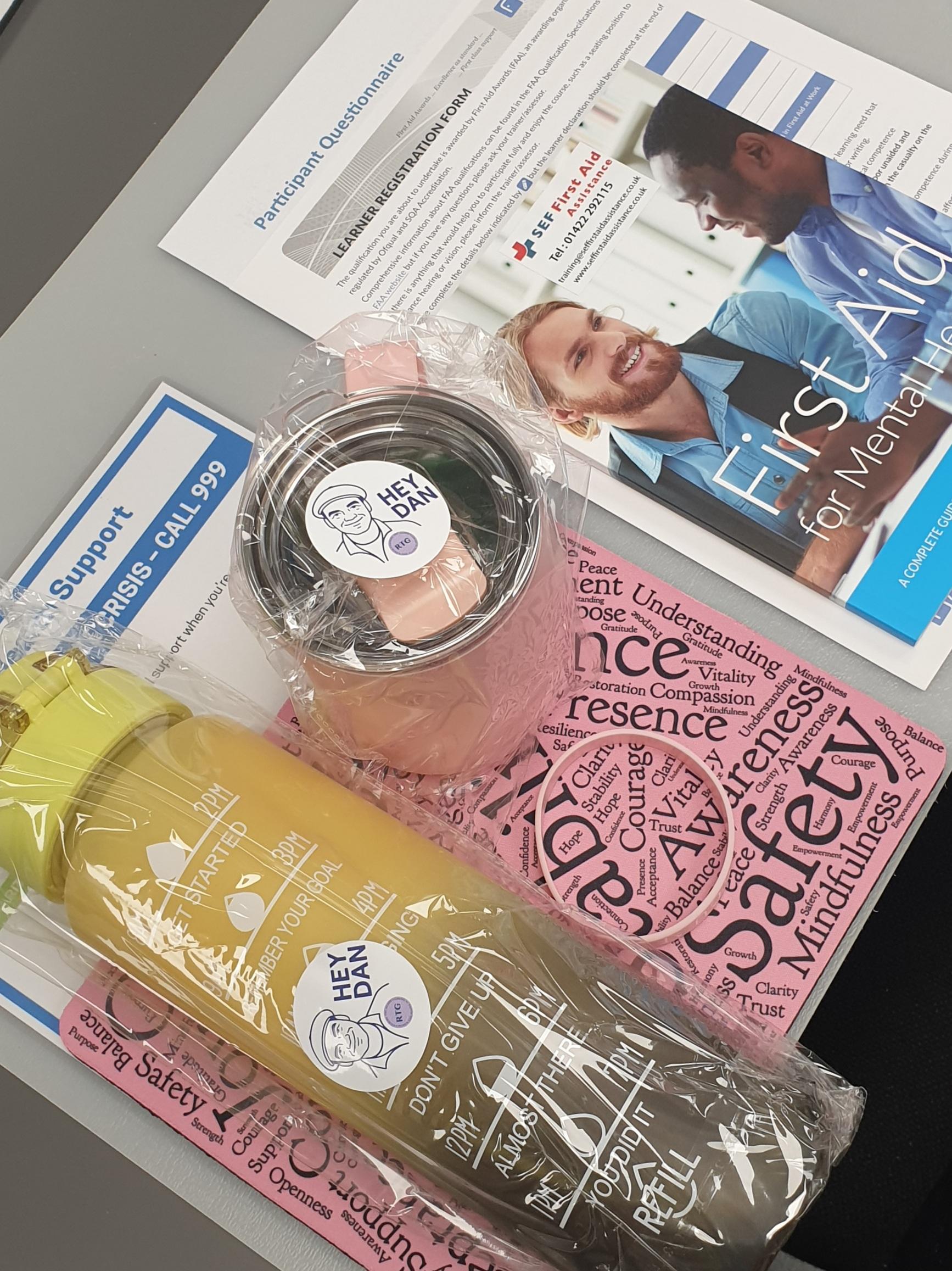
Ferris’ organization offers emotional intelligence in first aid and first aid for mental health training. The training emphasizes:
- Understanding the emotional context behind presentations
- Responding with empathy, professionalism, and appropriate boundaries
- Building the confidence to initiate supportive conversations
- Contributing to psychologically safer workplaces
“Mental health first aid is not solely about recognizing the signs and symptoms of distress,” he said. “It is about having the emotional intelligence, confidence, and communication skills required to respond appropriately, compassionately, and effectively.”
“Mental health first aid is not just about identifying symptoms,” he said. “It requires emotional self-control, confidence in approaching someone in distress, active listening, non-judgmental language, and psychological safety.”
Ferris said that without EI, potential rescuers may avoid engagement, escalate situations unintentionally, and default to control rather than connection.
“With EI, they can stabilize the human first, then the clinical problem,” he added.
Training for Better EI
EI is trainable, Ferris noted. “Practical methods include simulation with emotional complexity, not just clinical scenarios,” he said.
Other methods include:
- Structured debriefing focused on thoughts, feelings, and actions
- Stress-inoculation training
- Communication drills for high-emotion encounters
- Reflective practice and journaling
- Peer feedback on tone, body language, and word choice
- Mindfulness or tactical breathing for on-scene regulation
Supervisors should be trained in emotionally intelligent leadership, he said, and clinicians should be taught communication frameworks for high-stress encounters. Agencies can also use structured hot and cold debriefs, which can help measure the team climate and psycological safety. Agencies should normalize seeking support after any incident.
“Most importantly, EI must be embedded in training, not delivered as a standalone lecture,” he added. “[It] should be treated as a core operational capability, not an optional wellness initiative.”