Caring for Kids When Disaster Strikes: Q&A with Lou Romig, MD, FAAP, FACEP
W.C. Fields famously advised actors, “Never work with animals or children.”
But in real life kids are everywhere and they don’t conveniently disappear when disaster strikes. So how can EMS agencies prepare to handle pediatric needs?
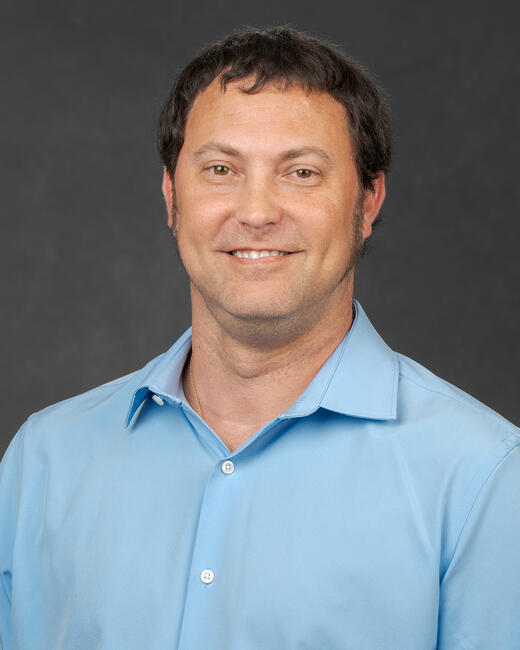
A big part of the problem, says Lou Romig, MD, FAAP, FACEP, a pediatric emergency, EMS and disaster physician at the Miami (FL) Children’s Hospital, is how infrequently EMS providers come into contact with really sick kids.
“Roughly 10% of EMS calls are for kids, but only 10% of that 10% are for sick kids who require anything close to advanced life support,” Romig explains. “So it could be that only 1% of all the patients any given EMS provider encounters is a really sick kid. Because of financial and time constraints, sometimes it doesn’t feel like it’s worth the investment to concentrate training on such a small percentage of patients. But one of the things we stress in pediatric emergency medicine is the best way to take care of kids in a disaster is to take good care of them on a daily basis.”
Romig also says for EMS agencies MCI protocol is often just triage protocol. The assumption is you’ll be operating in a very similar environment to what you’re used to.
“Consider a bus crash. The full infrastructure of the community is available, so once you get those patients cleared off scene your involvement with those kids ends. What most agencies don’t tend to take into account is what happens during a communitywide disaster if the healthcare and public safety infrastructure has been compromised. Those patients may be in the hands of EMS providers for a lot longer than you’re used to; you’re not going to be able to just sort them and send them off scene, and the places where you’d ordinarily send the children may not be able to take as many patients as you would like. Most agencies don’t think about it because the chances of it happening are pretty small. But it’s also really hard to think about big incidents dealing with a lot of kids because there’s an emotional obstacle there.”
Romig recommends the following tips for incorporating pediatric care into your agency’s disaster management plan:
- Consider whether your agency has the training, the equipment and supplies to withstand longer patient contact times with children. There’s no easy solution, but you need to acknowledge the reality of your situation.
- Make sure you have a pediatric-specific component to your MCI plan. You may use START for adult triage, but it’s appropriate to have a pediatric triage tool, as well. Children can have very different physiology from adults, so a different triage tool is a must.
- Incorporate real children and families into your disaster drills. The interaction between providers and real kids—getting providers used to working with kids of different ages and personalities—in that setting is educational beyond just the didactic stuff.
Romig also offers some advice advice for pediatric care during a disaster in which decontamination is necessary:
- Keep children with their family or whoever it is they were with at the time of the incident because they need that support system.
- The anatomy and physiology of children makes them more vulnerable to airborne agents or ones that contaminate via skin contact. When you’re decontaminating large groups of people, children should be prioritized because they’ll often show signs and symptoms earlier and have greater absorption.
- Make the decon process safe for children. Water needs to be at least 98 degrees in order to avoid hypothermia, and should be high flow, low pressure. Specifically, with small, non-ambulatory children, don’t pick them up, remove their clothes and wash them off in your arms, because they’re slippery. Have a vessel, like a shopping cart or basket with drainage holes, where the child is safely enclosed and it’s less likely they will be dropped.
- Once the children are deconned, they will need to get dry and have some kind of covering. EMS agencies generally don’t have post-decon garb. Towels and sheets will suffice but that’s a lot of linens to bring to an MCI scene, so consider what the kids are going to be put into after they’re deconned.
- Finally, think about how Level A, B or C protective gear looks to a kid. That can be really scary, so you’ve got work extra hard to communicate to the child that you’re there to help them and you’re not Darth Vader or an alien.
Don’t Reinvent the Wheel
If you’re worried about starting from your agency’s disaster management plan over from scratch to incorporate pediatric care, you needn’t. There is already a wide array of resources, protocols and guidance available on the pediatric disaster needs, and most of it has been collected in one place for convenience.
The EMSC National Resource Center has created PEDPrepared, a free, online pediatric disaster resource clearinghouse with a bevy of information for healthcare providers, community and emergency planners, and families and caregivers.
Romig has also done some of the legwork, developing the JumpSTART triage system to help meet the needs of children and responders at disaster/MCI scenes. The JumpSTART site contains a number of presentations on pediatric decontamination and developing a protocol for pediatric disaster needs. And Romig recently recorded a podcast with Pedi-U called “Kyle’s a Disaster! Pediatric Disaster Preparedness,” which discusses the pediatric concerns of Florida’s EMS agencies and hospitals, and how agencies should plan, prepare and respond in the face of a disaster.
Romig will present on this topic at EMS World Expo, Oct. 29–Nov. 2, 2012 in New Orleans. For more information, visit www.emsworld.com/expo.